
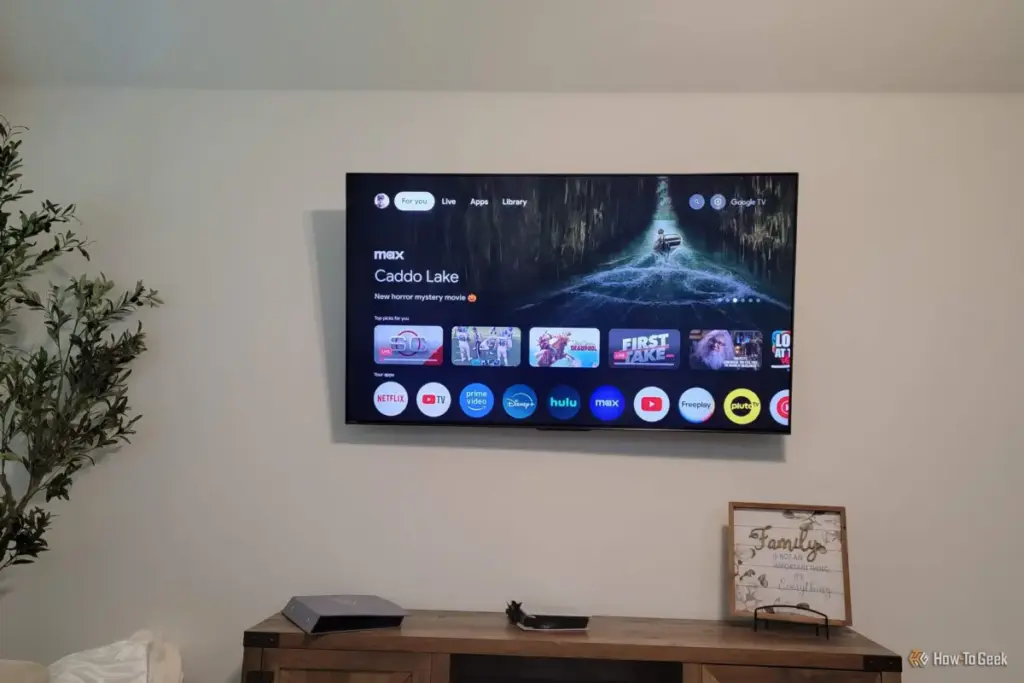

Beyond the significant gains in privacy and security, there is a practical, performance-based argument for turning a Google TV into a dumb TV. Smart TV operating systems are notoriously resource-heavy. Over time, as apps update and the OS becomes more cluttered with cached data and background processes, even high-end televisions can begin to suffer from lag, stuttering menus, and slow boot times.
By running the television in Basic Mode, the hardware is relieved of the burden of managing a complex, data-hungry ecosystem. The processor can focus entirely on image processing and input switching, often resulting in a noticeably snappier and more responsive user interface. For users who find the "smart" experience to be sluggish or frustrating, the minimalist approach offers a cleaner, more efficient way to interact with their hardware.
This "less is more" philosophy also extends to the aesthetic of the home screen. Modern TV interfaces have become increasingly cluttered with advertisements and "sponsored" content. Reclaiming the home screen from these distractions allows for a more focused and intentional viewing experience. Instead of being greeted by a wall of algorithmically generated suggestions, the user is presented with a simple dashboard that stays out of the way.
The Rise of External Hardware and Physical Media
The movement toward "dumb" TVs is part of a larger trend among tech enthusiasts who are seeking more control over their digital environments. By using an external streaming device, such as an Apple TV or a specialized privacy-focused box, users can often find more transparent privacy policies and more robust security protocols than what is offered by the TV manufacturer. These external devices are also easier to replace or upgrade than the TV itself, ensuring that the display remains useful for years even as software standards evolve.
Furthermore, there is a growing resurgence in the popularity of physical media. Enthusiasts are increasingly turning back to 4K Ultra HD Blu-rays to enjoy their favorite films without the bit-rate compression of streaming or the tracking associated with digital platforms. In a "dumb TV" setup, a physical media player becomes the centerpiece of a high-quality, private home cinema.
Ultimately, the choice to disable the smart features of a Google TV is an act of digital sovereignty. It is a rejection of the idea that a piece of hardware in one’s own home should be used as a surveillance tool for corporate profit. While the convenience of Google TV is undeniable for some, the ability to opt out provides a necessary alternative for those who believe that the only thing a television should do is display a picture. By utilizing Basic Mode and relying on external, more secure sources of content, viewers can enjoy the benefits of modern display technology without the looming shadow of constant data collection. In an age where privacy is increasingly scarce, the "dumb TV" represents a small but significant victory for the consumer.
 Tech Tutorials & How-To Guides
To Boldly Go From Your Desktop: Celebrating 60 Years of Star Trek Through Modern Tech Hobbies
As the calendar turns to late 2026, the global science fiction community...
 Tech Tutorials & How-To Guides
From E-Waste to New Passions: How Repurposed Technology is Fueling a New Era of Accessible Geek Hobbies
For many technology enthusiasts, the "junk drawer" is a common household fixture—a...
 Tech Tutorials & How-To Guides
The Unseen Ecosystem: Why Samsung’s Most Powerful One UI Features Remain Hidden to Most Users
In the hyper-competitive landscape of global smartphone manufacturing, Samsung Electronics has long...







