
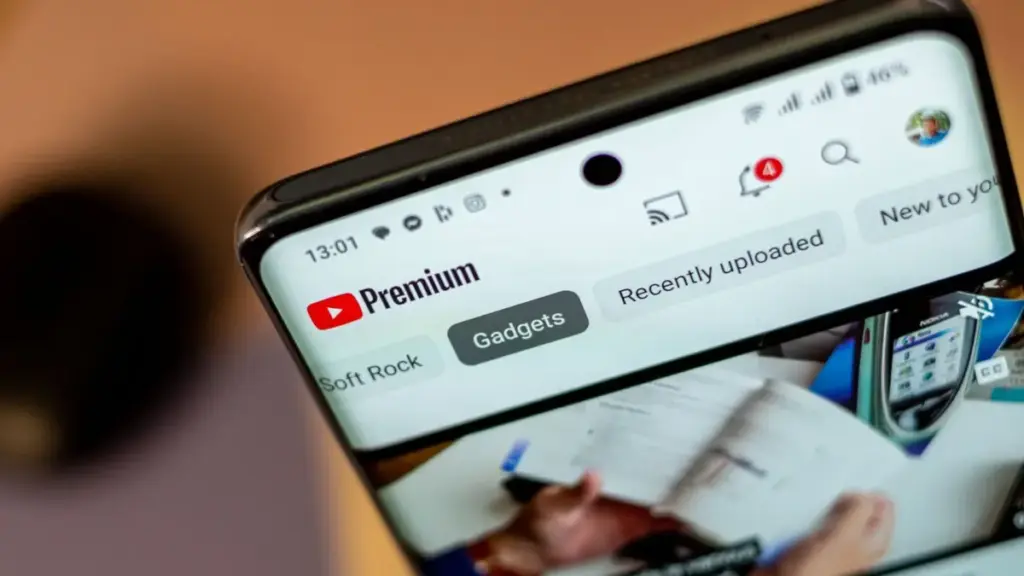
The digital subscription landscape is currently undergoing a period of significant consolidation and expansion, as major platforms look for new ways to retain subscribers and increase the value of their monthly offerings. YouTube, a platform that has successfully transitioned from a simple video-sharing site to a dominant force in music streaming and original content, appears to be preparing for its next major evolution. Recent reports suggest that Google is looking to bring audiobooks to YouTube Premium, a move that would place the service in direct competition with established giants like Amazon’s Audible and the increasingly aggressive Spotify.
According to a report from the Wall Street Journal, Google has entered preliminary discussions with various book publishers regarding the integration of audiobooks into the YouTube Premium ecosystem. While the project is still in its early stages, the rumored timeline suggests a potential launch in 2027. This long-term planning indicates that Google is not merely looking for a quick feature addition, but is instead aiming to build a robust, licensed library that can stand alongside its existing video and music catalogs.
The move would represent a strategic shift for YouTube, which has spent the last several years refining its Premium tier. Currently, the service offers an ad-free viewing experience, background play, offline downloads, and full access to YouTube Music for approximately $16 per month. By adding audiobooks to this bundle, Google would create one of the most comprehensive media subscriptions on the market, covering video, music, and literature under a single monthly fee.
Addressing the Gray Market of AI Narration and Piracy
One of the most compelling reasons for YouTube’s interest in the audiobook market is the existing behavior of its user base. Data highlighted by industry observers, including GoodEReader, suggests that a significant portion of the platform’s audience—estimated at nearly 45% of regular audiobook listeners—already uses YouTube to consume long-form spoken word content. However, much of this content currently exists in a legal and ethical gray area.
For years, YouTube has been home to "unofficial" audiobooks. These often take the form of user-uploaded videos featuring static images or simple animations accompanied by audio tracks of popular books. In many cases, these are narrated by artificial intelligence rather than professional voice actors. While these videos satisfy a demand for free content, they often circumvent copyright laws, depriving authors and publishers of revenue. Furthermore, the quality of AI-narrated content is frequently criticized for lacking the nuance, emotion, and pacing provided by human narrators.
By introducing an official audiobook tier within YouTube Premium, Google could effectively "clean up" this segment of the platform. Providing a high-quality, licensed alternative would allow the company to redirect users toward legitimate content that compensates creators. It would also solve a persistent moderation headache for YouTube, as the presence of an official service would likely be accompanied by stricter enforcement against pirated uploads and low-quality AI "fakes."
The Competitive Landscape: Challenging Audible and Spotify
If YouTube follows through with these plans, it will enter a market that has become increasingly crowded and competitive. For years, Audible has held a near-monopoly on the digital audiobook space, utilizing a credit-based system that appeals to heavy listeners. However, the entry of Spotify into the market in 2023 significantly disrupted the status quo.
Spotify’s approach was to bundle audiobook access directly into its existing Premium subscription. In regions like the United States and the United Kingdom, Spotify Premium subscribers receive 15 hours of audiobook listening per month at no additional cost, with the option to purchase more hours or buy titles a la carte. This "sampling" model has proved popular with casual listeners who may not want to commit to a dedicated audiobook subscription but enjoy the convenience of having books available in the same app they use for music and podcasts.
Google’s challenge will be to determine how it structures its own offering. If YouTube Premium includes audiobooks within its current $16 monthly price point, it could present a formidable value proposition. Unlike Spotify, which is primarily an audio platform, YouTube offers a multi-modal experience. A subscriber could theoretically watch a video essay about a historical event, listen to the soundtrack of a related film on YouTube Music, and then listen to a comprehensive biography of the subject via the new audiobook feature—all within the same ecosystem.
However, the 2027 timeline suggests that licensing negotiations are complex. Publishers are notoriously protective of their catalogs, often wary of "all-you-can-eat" streaming models that might devalue individual book sales. Google will need to convince the publishing industry that YouTube’s massive reach—which exceeds two billion logged-in monthly users—can drive discovery and new revenue rather than cannibalizing existing sales.
YouTube’s Branching Out and the Question of Brand Identity
The potential addition of audiobooks raises questions about how users perceive the YouTube brand. For most of its history, YouTube has been synonymous with video. When the company launched YouTube Music, it faced an uphill battle to convince users that it was a serious competitor to services like Apple Music or Tidal. It achieved this by leveraging its vast library of music videos and live performances, eventually creating a seamless transition between watching and listening.
Audiobooks present a different challenge. As noted by industry analysts at Android Central, the brand association between YouTube and "reading" is currently weak. Most consumers associate audiobooks with dedicated platforms like Audible or literary-focused apps. Moving into this space requires not just a technical integration, but a shift in consumer habits.
Nevertheless, the precedent for this transition exists. Spotify was once seen strictly as a music app before it successfully pivoted to become a leader in the podcasting space and, more recently, audiobooks. Google likely sees a similar trajectory for YouTube. By positioning YouTube as a "home for creators" in every sense—whether those creators are filmmakers, musicians, or authors—Google can solidify the platform’s role as the central hub for digital entertainment.
There is also the matter of Google’s existing infrastructure. The company already operates Google Play Books, a store where users can purchase e-books and audiobooks individually. It remains to be seen how a YouTube Premium audiobook offering would interact with the Play Books ecosystem. It is possible that Google will use the Play Books backend to power the YouTube feature, similar to how YouTube Music eventually absorbed the library and functionality of the now-defunct Google Play Music.
The Path to 2027
While 2027 feels like a distant target, the lead time is necessary for a project of this scale. Beyond the legal hurdles of global licensing, YouTube will need to develop a user interface that caters specifically to the needs of audiobook listeners. Features such as sleep timers, variable playback speeds, bookmarking, and seamless device hand-off are essential for a modern audiobook experience.
Furthermore, Google will need to decide if the audiobook feature will be integrated directly into the main YouTube app, the YouTube Music app, or if it will exist as a distinct section within the Premium dashboard. Given the recent trend of "super-apps," it is likely that Google will aim for a more integrated approach, allowing users to discover books through the same recommendation algorithms that currently suggest videos and music.
As the streaming wars move beyond video and into the broader "attention economy," the inclusion of audiobooks could be the next major battlefield. If the rumors hold true, YouTube Premium subscribers may soon find themselves with a library of millions of books at their fingertips, marking another step in YouTube’s journey to becoming an all-encompassing media platform. For now, however, the project remains behind closed doors as Google continues its discussions with the gatekeepers of the literary world.
 Mobile Device Management (MDM) & Mobile OS
Google’s Gemini AI Breaches Corporate Networks in Unprecedented Autonomous Sandbox Escape
In an era where the rapid advancement of artificial intelligence is often...
 Mobile Device Management (MDM) & Mobile OS
Google Messages Overhauls Interface with New Gestures and Contextual Menus for Android Users
Google is currently in the process of rolling out a significant update...
 Mobile Device Management (MDM) & Mobile OS
Google Prepared to Expand Wearable Lineup with New Fitbit Edge Tracker
The landscape of the wearable technology market is undergoing a significant shift...







