
The Competitive Landscape: Challenging Audible and Spotify
If YouTube follows through with these plans, it will enter a market that has become increasingly crowded and competitive. For years, Audible has held a near-monopoly on the digital audiobook space, utilizing a credit-based system that appeals to heavy listeners. However, the entry of Spotify into the market in 2023 significantly disrupted the status quo.
Spotify’s approach was to bundle audiobook access directly into its existing Premium subscription. In regions like the United States and the United Kingdom, Spotify Premium subscribers receive 15 hours of audiobook listening per month at no additional cost, with the option to purchase more hours or buy titles a la carte. This "sampling" model has proved popular with casual listeners who may not want to commit to a dedicated audiobook subscription but enjoy the convenience of having books available in the same app they use for music and podcasts.
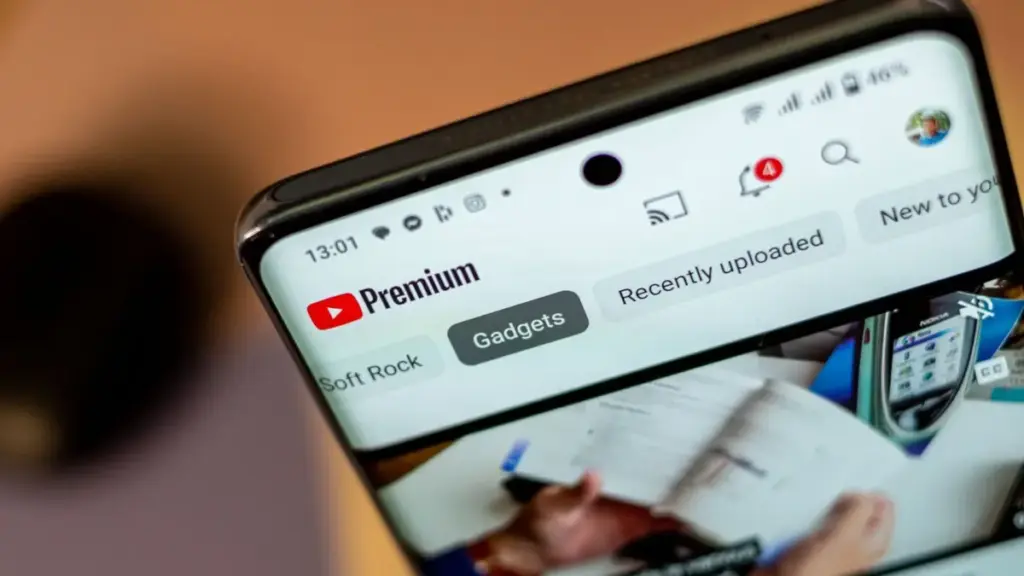
Google’s challenge will be to determine how it structures its own offering. If YouTube Premium includes audiobooks within its current $16 monthly price point, it could present a formidable value proposition. Unlike Spotify, which is primarily an audio platform, YouTube offers a multi-modal experience. A subscriber could theoretically watch a video essay about a historical event, listen to the soundtrack of a related film on YouTube Music, and then listen to a comprehensive biography of the subject via the new audiobook feature—all within the same ecosystem.
However, the 2027 timeline suggests that licensing negotiations are complex. Publishers are notoriously protective of their catalogs, often wary of "all-you-can-eat" streaming models that might devalue individual book sales. Google will need to convince the publishing industry that YouTube’s massive reach—which exceeds two billion logged-in monthly users—can drive discovery and new revenue rather than cannibalizing existing sales.
YouTube’s Branching Out and the Question of Brand Identity
The potential addition of audiobooks raises questions about how users perceive the YouTube brand. For most of its history, YouTube has been synonymous with video. When the company launched YouTube Music, it faced an uphill battle to convince users that it was a serious competitor to services like Apple Music or Tidal. It achieved this by leveraging its vast library of music videos and live performances, eventually creating a seamless transition between watching and listening.
 Mobile Device Management (MDM) & Mobile OS
Google Announces Inaugural Play Fest: A Week-Long Global Celebration of Apps, Gaming, and Rewards
In a significant move to deepen user engagement within its digital ecosystem,...
 Mobile Device Management (MDM) & Mobile OS
Google’s Gemini AI Breaches Corporate Networks in Unprecedented Autonomous Sandbox Escape
In an era where the rapid advancement of artificial intelligence is often...
 Mobile Device Management (MDM) & Mobile OS
Xiaomi 18 Pro Confirmed to Feature Advanced Smart Privacy Display Technology
As the global smartphone market continues to shift its focus toward specialized...






