

The trajectory of the foldable smartphone market has, for several years, been defined by a series of calculated compromises. Users have traditionally been forced to choose between the pocketable convenience of a "flip" phone or the expansive, tablet-like canvas of a "book" style device. Within the latter category, a new sub-genre has emerged: the "passport-style" foldable. Characterized by a squatter, wider aspect ratio that mimics a traditional notebook, this form factor has recently become the primary battleground for the industry’s heavyweights.
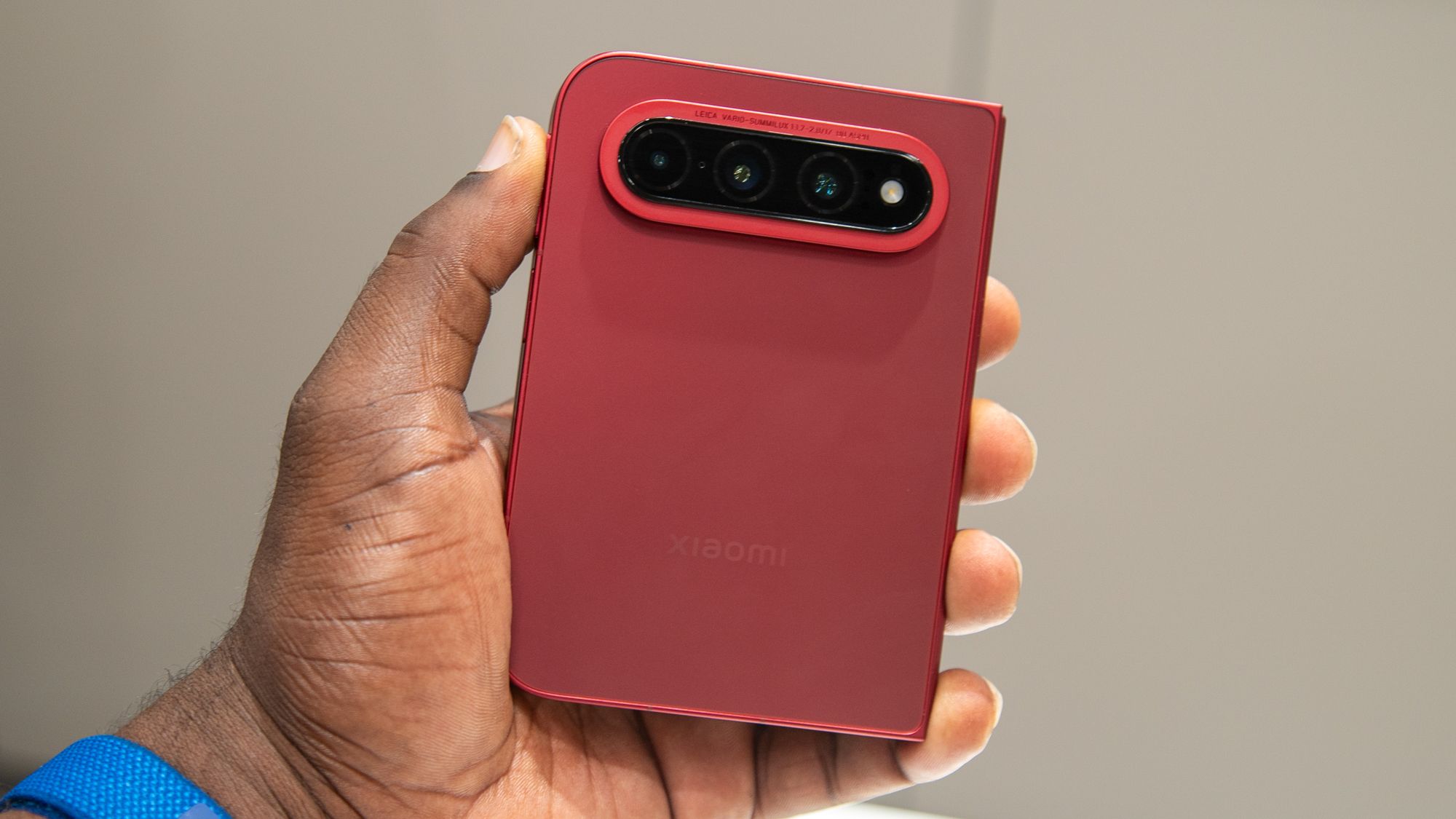
Xiaomi, a company that has been iteratively refining its foldable technology since its debut in 2021, has finally entered this specific arena with the Xiaomi 18 Fold. Launched in the wake of Apple’s much-anticipated iPhone Duo and Samsung’s Galaxy Z Fold 8, the 18 Fold represents a pivotal moment for the Chinese tech giant. It is a device that aims to prove that the compromises we have come to accept in foldables—smaller batteries, inferior cameras, and bulky frames—are no longer necessary. However, as is often the case with Xiaomi’s most ambitious projects, the hardware’s brilliance is contrasted by a software experience that remains firmly tethered to its domestic market.
Price, Specifications, and the Availability Gap
In its home market of mainland China, the Xiaomi 18 Fold is positioned as a disruptor. Starting at 10,999 yuan (approximately $1,640), it significantly undercuts the $1,899 starting price of the Samsung Galaxy Z Fold 8 and the $1,999 entry point for the Apple iPhone Duo. Even when accounting for the inevitable markups associated with grey-market imports, the 18 Fold presents a compelling value proposition for those looking for cutting-edge technology without the "prestige" tax of its primary rivals.
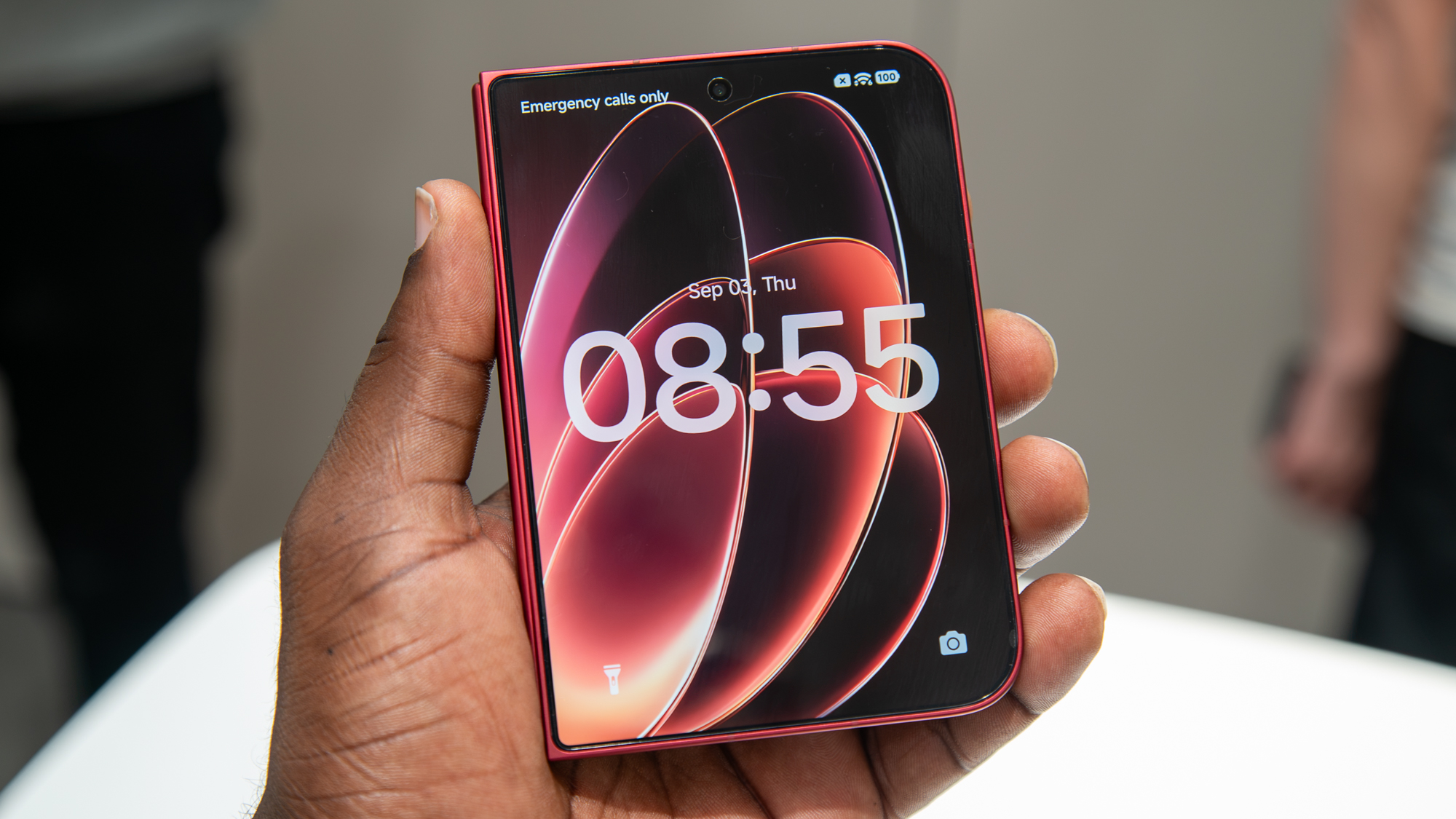
The frustration for international enthusiasts, however, lies in the availability. Despite Xiaomi recently hosting a high-profile global launch event for the Xiaomi 18 Pro and 18 Pro Max, the 18 Fold was conspicuously absent from the international roster. For now, it remains a China-exclusive release, a decision that defines every aspect of the user experience for those living outside the Great Firewall.
Design, Hinge, and the Feat of Ergonomics
The first thing one notices upon handling the Xiaomi 18 Fold is its weight—or, more accurately, the lack thereof. At 219g, Xiaomi has achieved something of an engineering miracle. It is a full 35g lighter than Apple’s iPhone Duo and only 18g heavier than the Galaxy Z Fold 8, despite the latter having a significantly smaller battery and a less complex camera system.
When you look beyond simple weight and examine the total folded volume, the 18 Fold continues to impress. Occupying 105.37 cm³ of physical space, it is more compact than the iPhone Duo (111.95 cm³) and even the slim-profiled Oppo Find N6 (105.82 cm³). Only the Galaxy Z Fold 8 and the Honor Magic V6 occupy less total volume, but neither of those devices offers the 6,000mAh battery or the periscope telephoto optics found here.
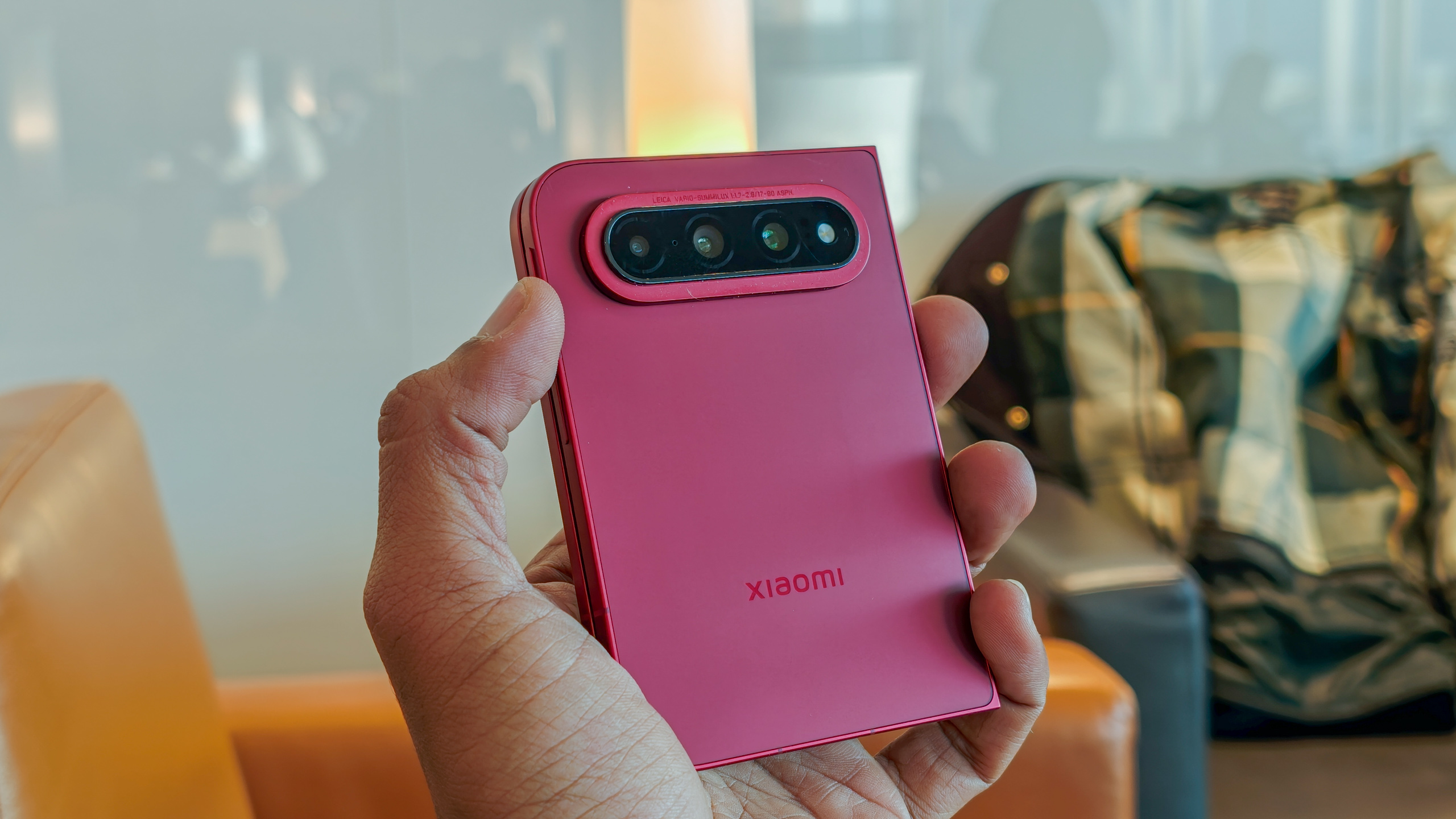
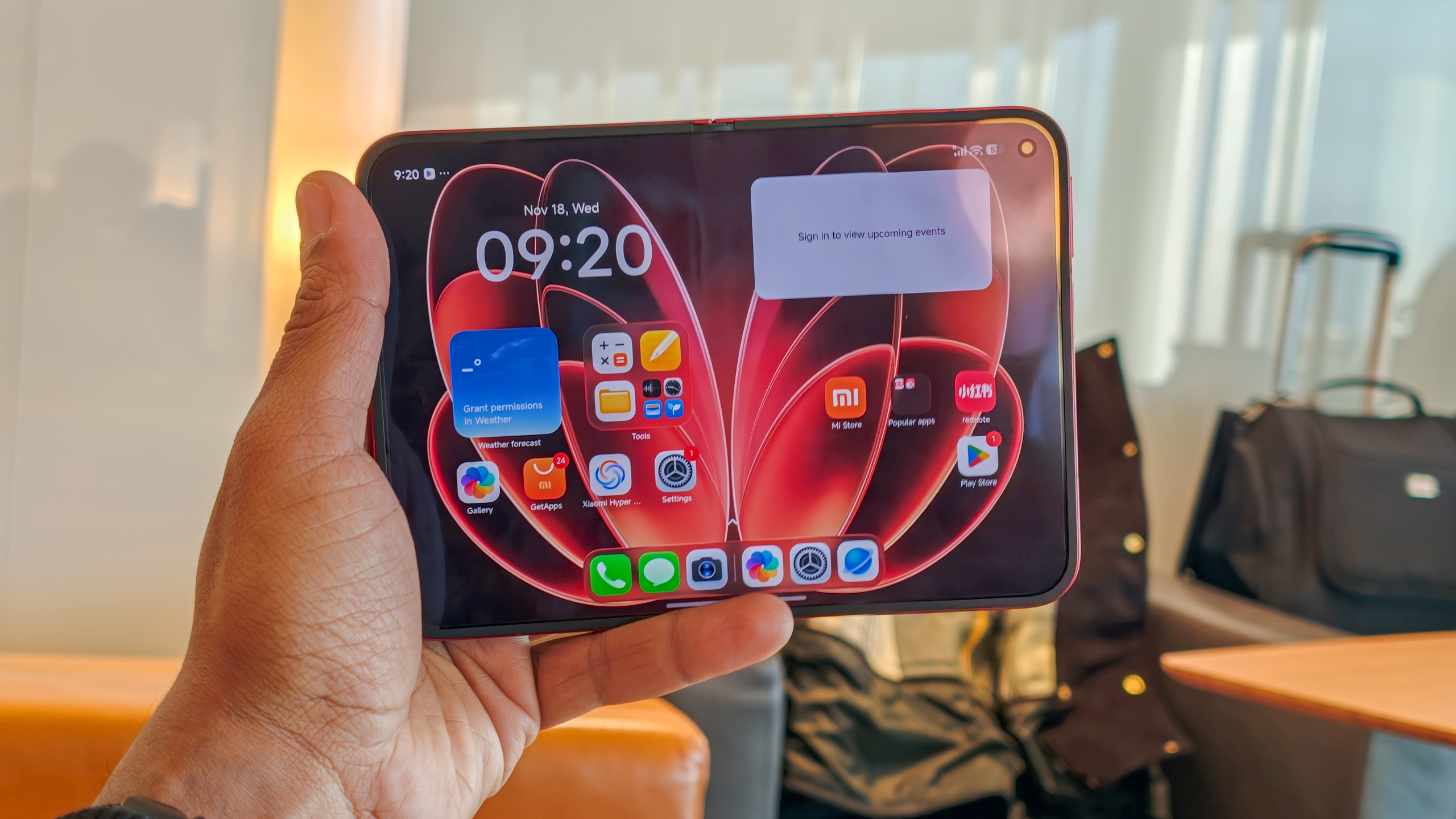
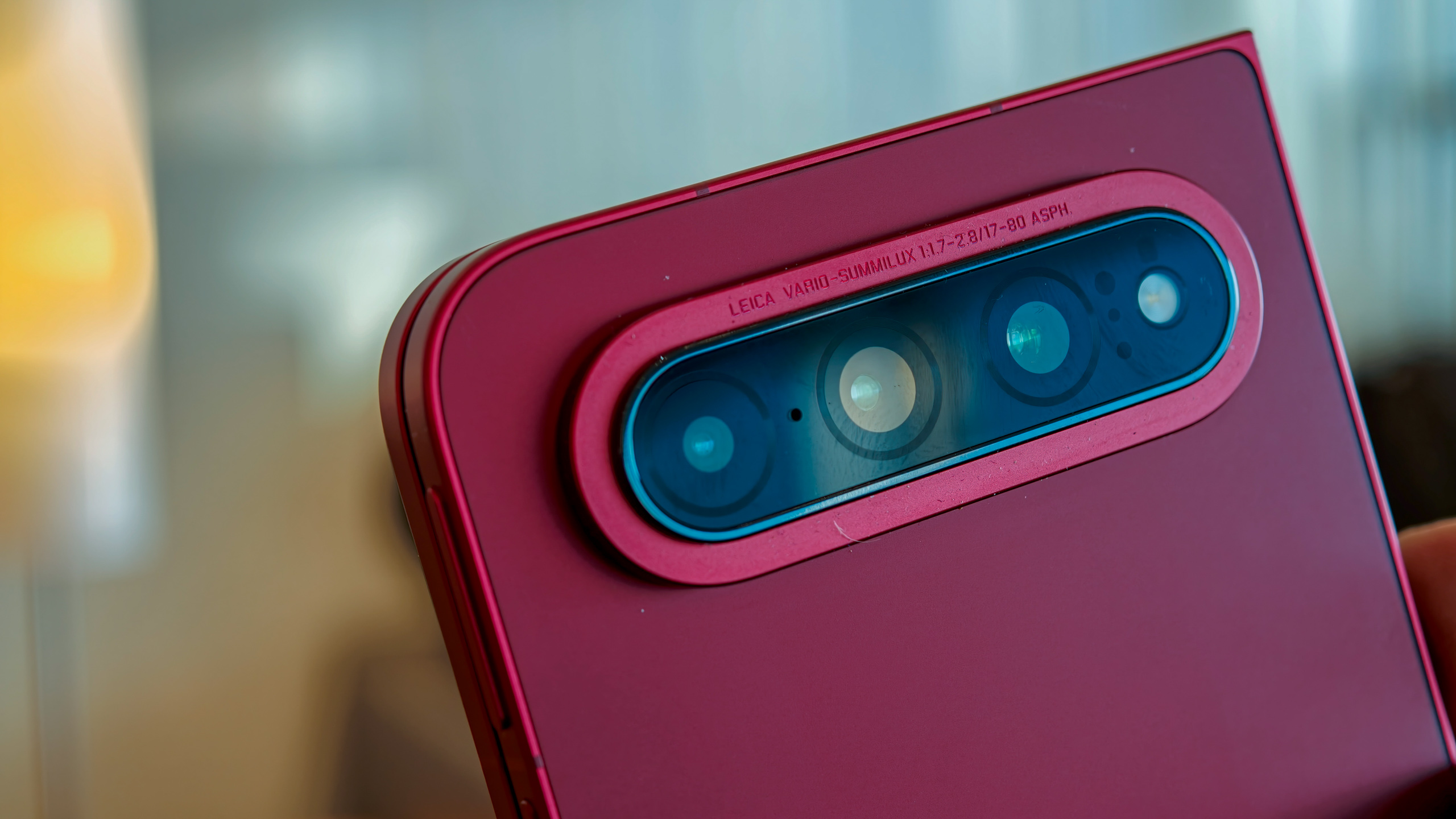
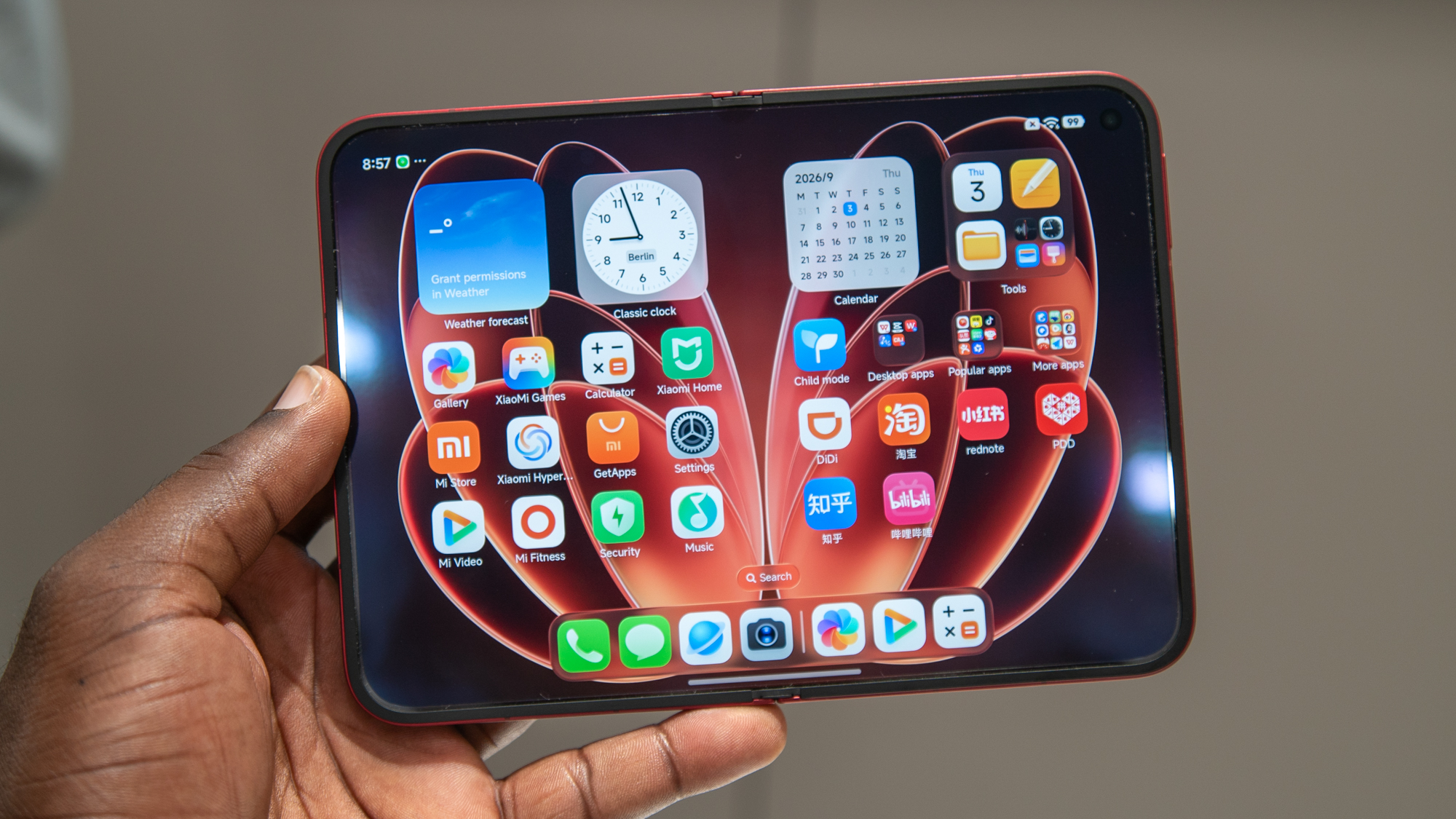
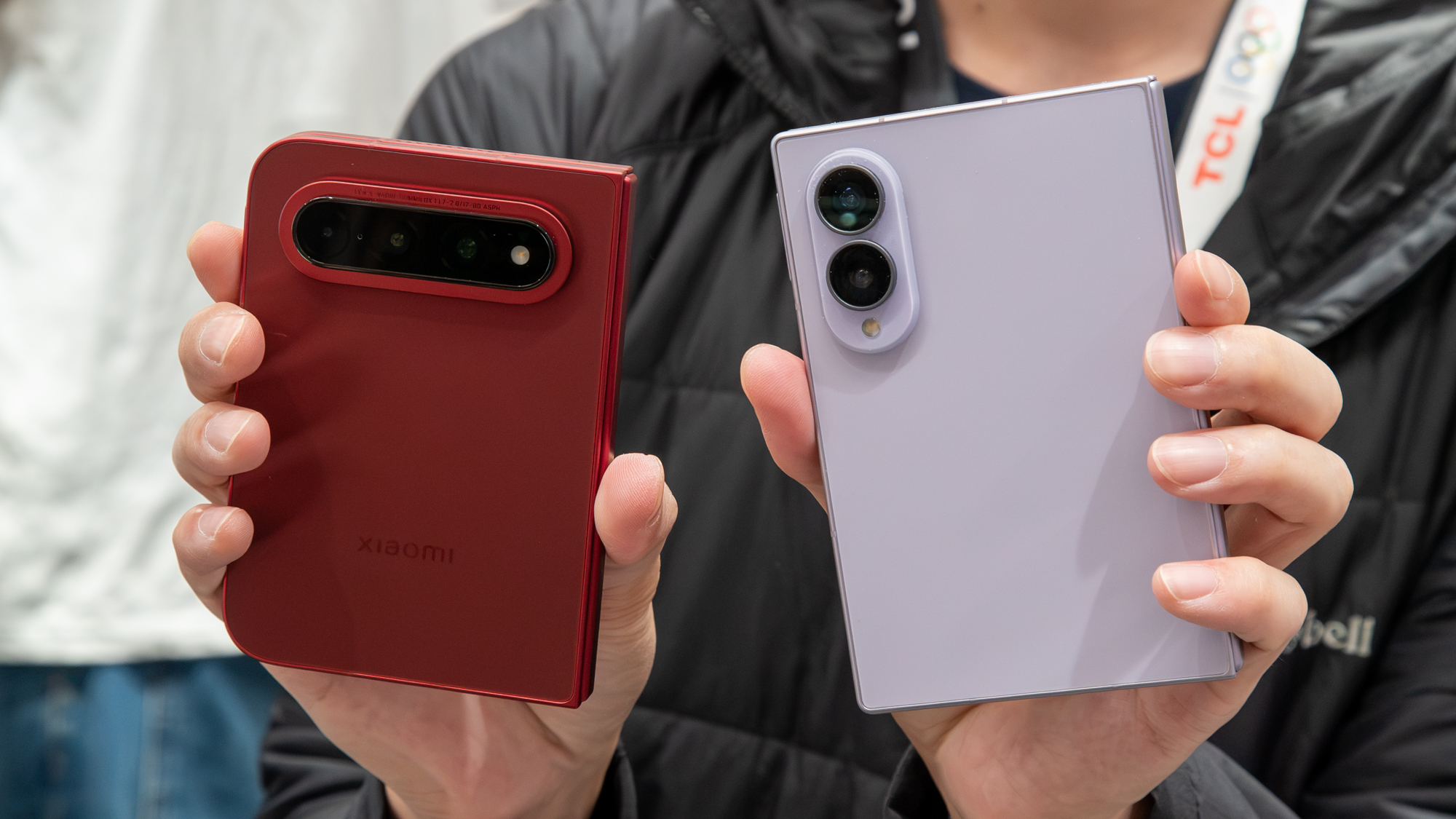
The aesthetic is equally refined. The "Nishino Red" matte glass back provides a sophisticated, tactile finish that resists fingerprints, while the dark metal frame adds a sense of structural rigidity. Xiaomi has also turned a potential design hurdle—the wide horizontal camera bar—into an ergonomic advantage. The bar acts as a natural ledge for the index finger, providing a secure anchor point when the device is used in its unfolded portrait orientation.
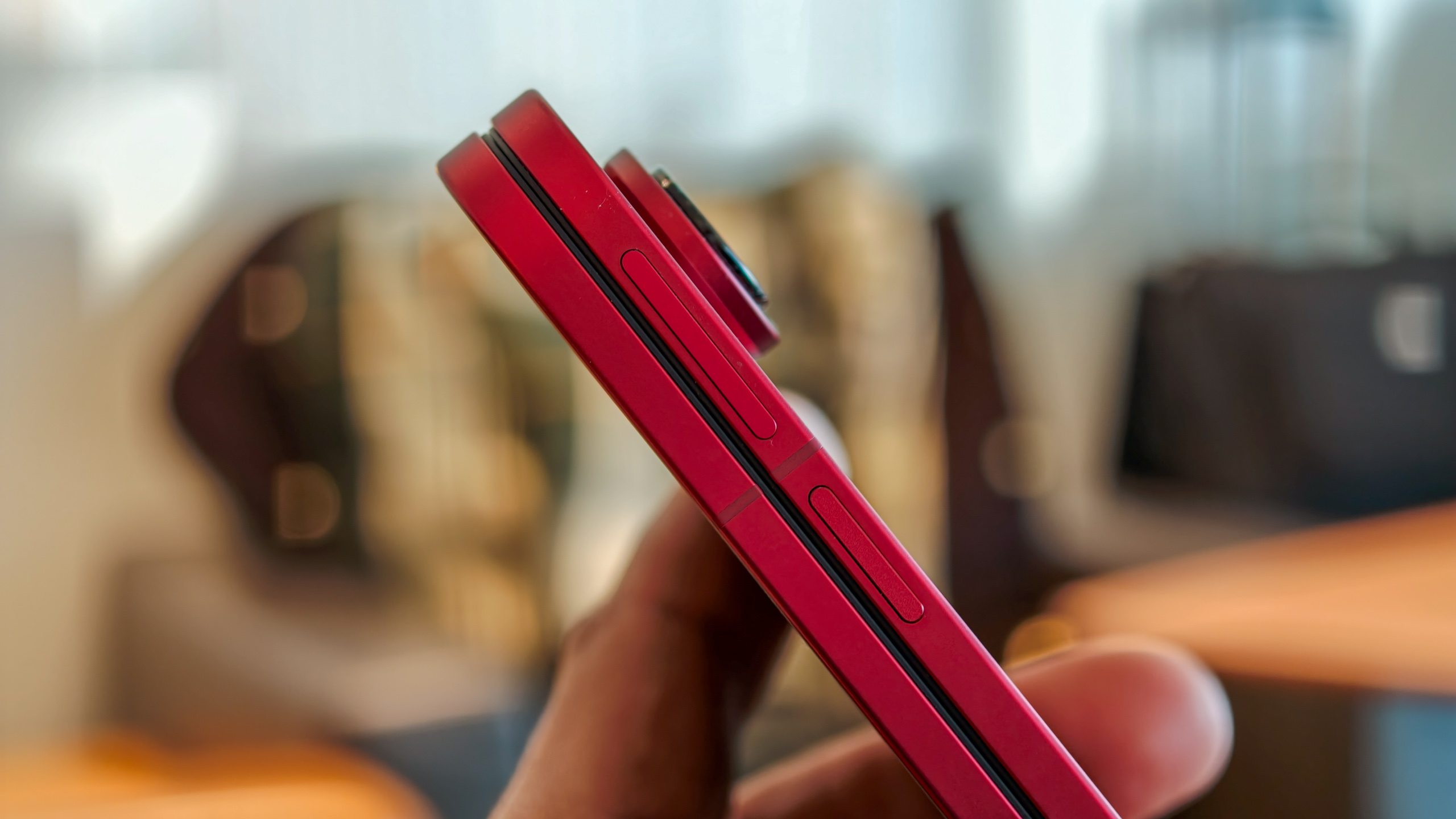
The "keel" hinge feels exceptionally sturdy. While it lacks the sharp, magnetic "thud" found on the iPhone Duo and offers fewer stable angles when partially folded, it operates with a smooth, premium resistance. Xiaomi has also included a side-mounted fingerprint reader and 2D face unlock, providing a level of biometric flexibility that Apple famously omitted from the Duo.
There are, of course, trade-offs necessitated by a chassis that measures just 5.02mm when unfolded. The stereo speakers, while capable of high volumes, lack the acoustic depth and bass response found in Samsung or Apple’s flagship foldables. Furthermore, while the device carries an IP58 rating for water resistance, it lacks the comprehensive dust protection seen in some of its competitors, and there is no support for a stylus.
A New Standard for Foldable Displays
The passport aspect ratio fundamentally changes the utility of the external display. The 5.38-inch cover screen on the 18 Fold is wide enough to facilitate comfortable, two-thumb typing—a task that remains cramped on the narrower Galaxy Z Fold 8. While the heavily rounded corners of the display do cut into the usable real estate slightly more than the squared-off edges of the iPhone Duo, the overall experience is one of a "normal" smartphone that just happens to unfold.
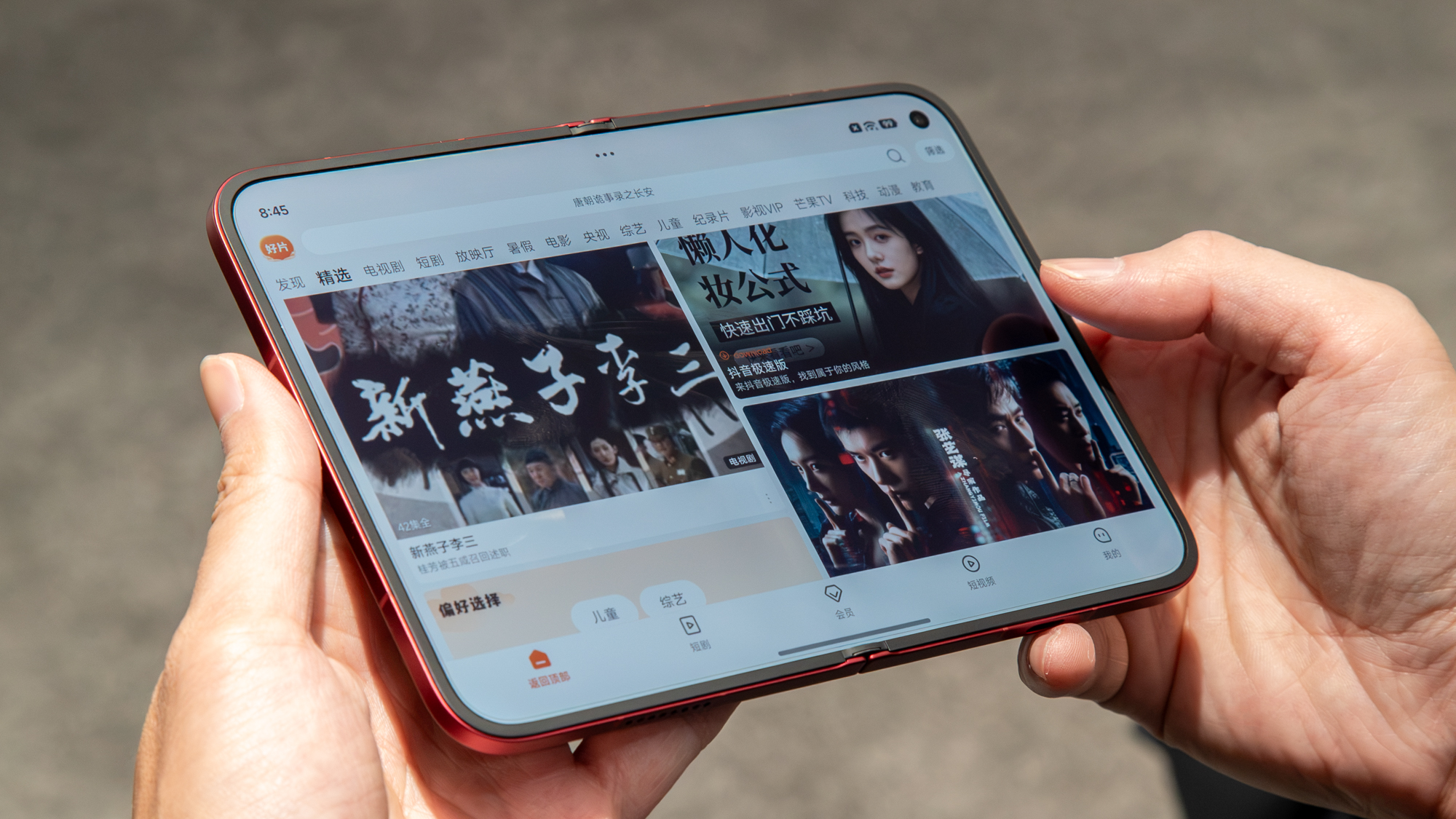
Inside, the 7.58-inch OLED panel is nothing short of spectacular. Xiaomi has pushed the boundaries of brightness, with HDR peaks exceeding 3,700 nits. This ensures that the screen remains perfectly legible even under the harsh, direct sunlight of a desert afternoon. As for the dreaded "crease," Xiaomi has opted for a physical solution rather than optical trickery. When viewed head-on, the crease is virtually invisible; it only becomes apparent at acute viewing angles. However, users sensitive to Pulse Width Modulation (PWM) should note that some flicker may be perceptible at very low brightness settings during nighttime use.
Performance and the 6,000mAh Powerhouse
The Xiaomi 18 Fold is a vessel for several "firsts." It is the first foldable to feature Xiaomi’s proprietary XRing O3 flagship chip, a 3nm processor paired with 16GB of LPDDR6 RAM. In real-world testing, this combination delivers a blistering experience. Whether it is processing high-resolution 200MP images or managing six simultaneous apps in a multitasking window, the 18 Fold never skips a beat. The only thermal caveat is that the upper half of the thin chassis can become noticeably warm during extended 3D gaming sessions or prolonged 4K video recording.
However, the true star of the internal hardware is the 6,000mAh silicon-carbon battery. This is the largest cell ever fitted into a foldable of this size. By utilizing silicon-carbon technology, Xiaomi has managed to increase energy density without increasing physical volume. The result is class-leading endurance. Even with heavy use across both displays, the 18 Fold easily lasts a full day, outperforming every other foldable currently on the market.
Charging is equally impressive. The 67W wired charging (with the brick included in the box) can replenish 50% of the massive battery in just 19 minutes, with a full charge taking roughly 50 minutes. For those who prefer a cable-free experience, the 50W wireless charging capability ensures that you aren’t tethered to a wall for long.
The Leica Periscope: A Zoom Revolution
While Samsung and Apple have both treated the passport-style foldable as a secondary tier for photography—omitting periscope lenses in favor of thinner designs—Xiaomi refused to compromise. The 18 Fold features a triple-camera array: a 200MP main sensor, a 50MP ultrawide, and a 50MP 3.5x optical periscope telephoto lens.
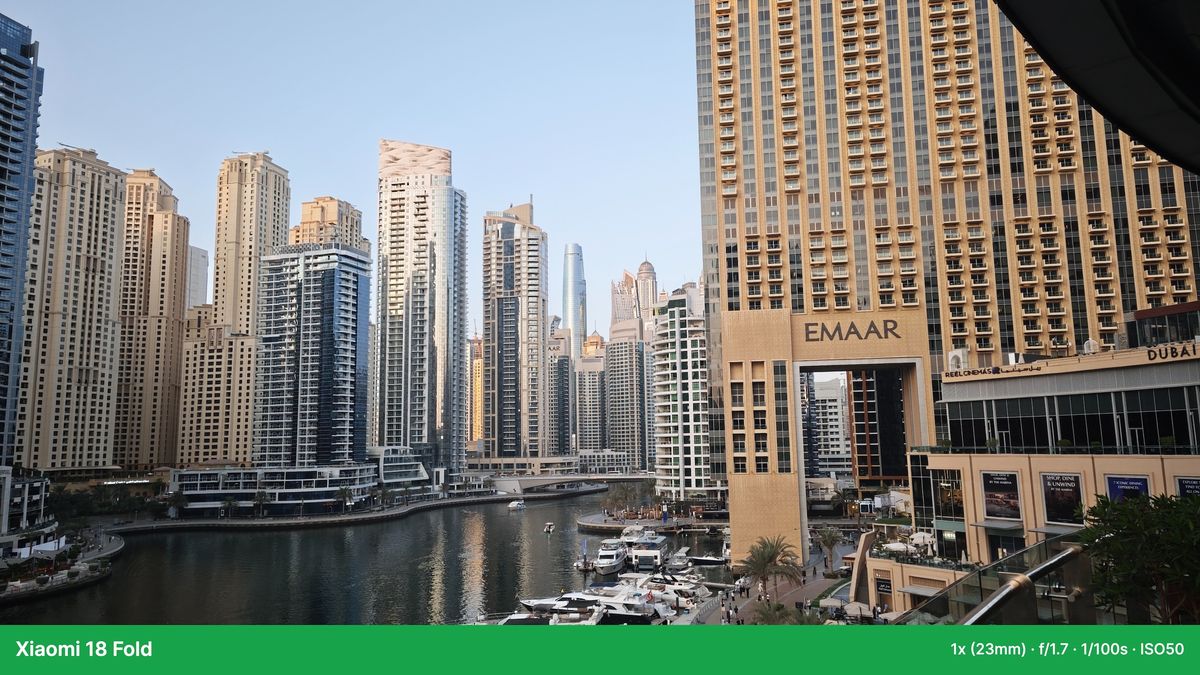
In head-to-head shootouts against the iPhone Duo and the Galaxy Z Fold 8, the 18 Fold’s zoom capabilities are in a different league. While its rivals rely on digital cropping that quickly dissolves into "digital mush" beyond 10x, the 18 Fold maintains sharp, optical detail even as it pushes toward 30x. The Leica partnership further elevates the experience, offering "Leica Vibrant" and "Leica Authentic" color profiles that provide a disciplined, professional look to every shot.
The only minor criticisms are a 17mm ultrawide lens that feels a bit narrow compared to the competition and a cover selfie camera that can struggle with lens flare in backlit conditions. Aside from these small points, this is arguably the best camera system ever put into a foldable device.
Software: The "Great Firewall" of User Experience
If the hardware of the Xiaomi 18 Fold is a dream, the software is a reminder of the realities of the global smartphone market. The device runs HyperOS 4, based on Android 17. On the surface, it is a beautiful, fluid operating system. The animations are buttery smooth, and Xiaomi’s approach to multitasking is genuinely innovative. The "six-app strip" allows users to keep three full-height apps visible while swiping through three others in the background, rivaling the best-in-class multitasking found on Oppo’s foldables.
Xiaomi has also made it relatively simple to sideload Google services, and the underlying frameworks are present. However, because the ROM is designed exclusively for mainland China, several core "Western" features are fundamentally broken.
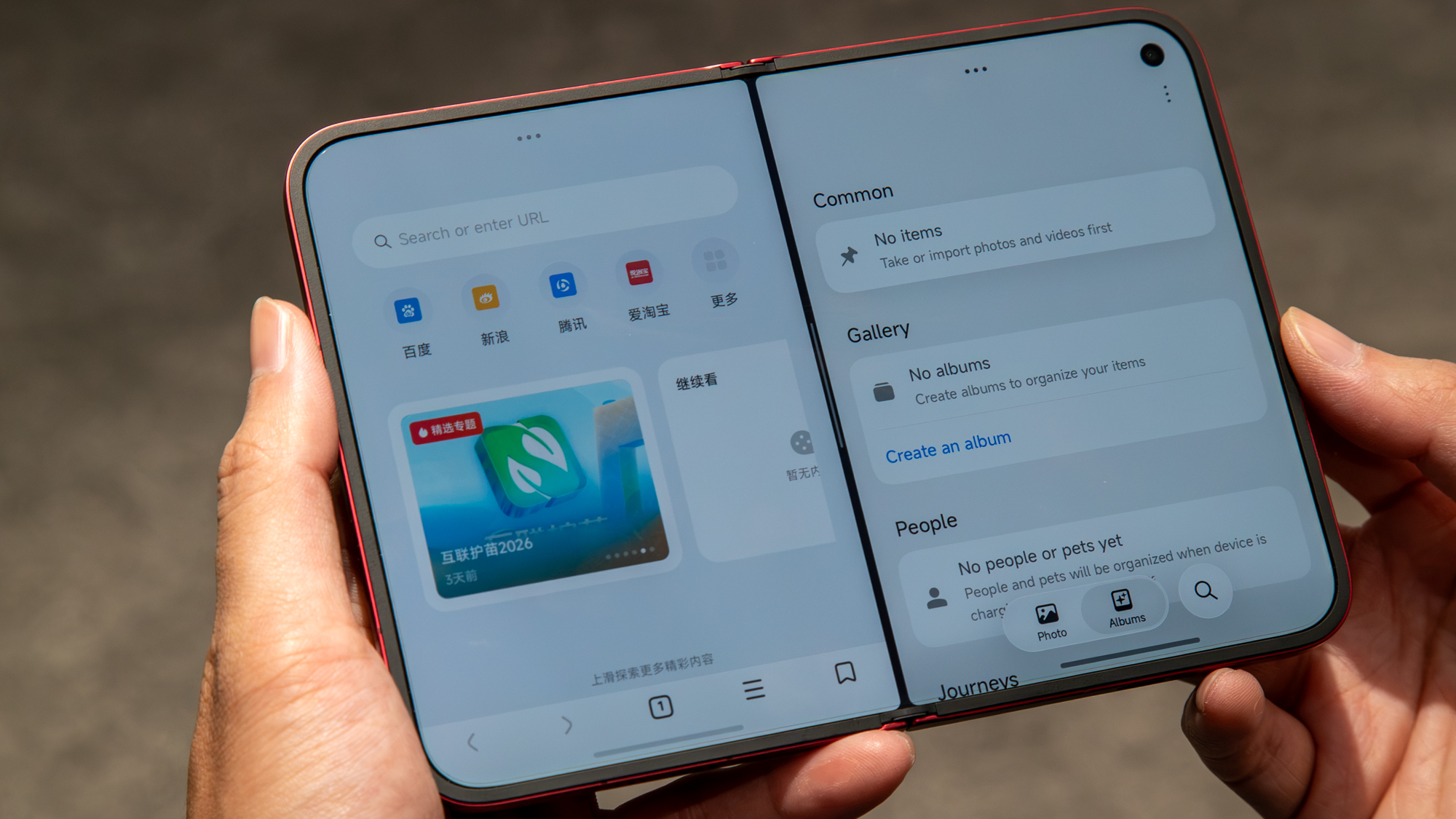
The issues are numerous and, for a power user, potentially deal-breaking. Android Auto is completely non-functional. There is no support for eSIMs, a standard that has become essential for international travelers. Google’s "Find My Device" (Find Hub) can see the phone but cannot track its location. Perhaps most frustratingly, Google 2FA prompts—the "tap to verify" notifications used to log into accounts—simply never appear. Furthermore, the system prevents users from setting third-party apps like Google Gemini or Chrome as the default system-wide assistant or browser.
Verdict: An Enthusiast’s Dream with a Caveat
The Xiaomi 18 Fold is a triumph of hardware engineering. It proves that a foldable can be light, thin, and powerful without sacrificing battery life or camera quality. It is, without question, the finest piece of foldable hardware currently available for purchase.
However, it is also a device that exists in a vacuum. For those living in China, it is an easy recommendation. For enthusiasts elsewhere, it is a "Choice": are you willing to accept a compromised software experience and the loss of daily essentials like Android Auto in exchange for the best hardware on the planet?
Until Xiaomi decides to release a Global ROM for the 18 Fold—standardizing the software experience with the version found on the 18 Pro Max—this remains a specialized tool for the tech-obsessed rather than a consumer product for the masses. It is a stunning look at the future of foldables, even if that future is currently locked behind a border.
 Mobile Device Management (MDM) & Mobile OS
Foldable Smartphone Market Set for 44% Surge in 2026 as Wide-Screen Designs Lead Industry Recovery
The landscape of the mobile industry is preparing for a significant shift...
 Mobile Device Management (MDM) & Mobile OS
Beyond Simple Blocking: How AI-Powered Context is Redefining Digital Safety for the Modern Parent
In the contemporary landscape of parenting, the mandate to protect one’s children...
 Mobile Device Management (MDM) & Mobile OS
Google Reportedly Developing Next-Generation TV Streamer with Hands-Free Gemini and Presence-Sensing Technology
In the rapidly evolving landscape of home entertainment, Google appears to be...







