

In the contemporary landscape of parenting, the mandate to protect one’s children has extended far beyond the physical boundaries of the home and the schoolyard. As children transition into the digital world, the challenges of guardianship evolve from managing physical safety to navigating a complex, often invisible web of online interactions. While the instinct to shield children from the darker corners of the internet is universal, the methodology for doing so has historically been limited to blunt instruments: total bans, restrictive filters, or invasive snooping. However, a new paradigm is emerging in the form of context-aware, AI-driven monitoring—a shift exemplified by the Bark ecosystem.
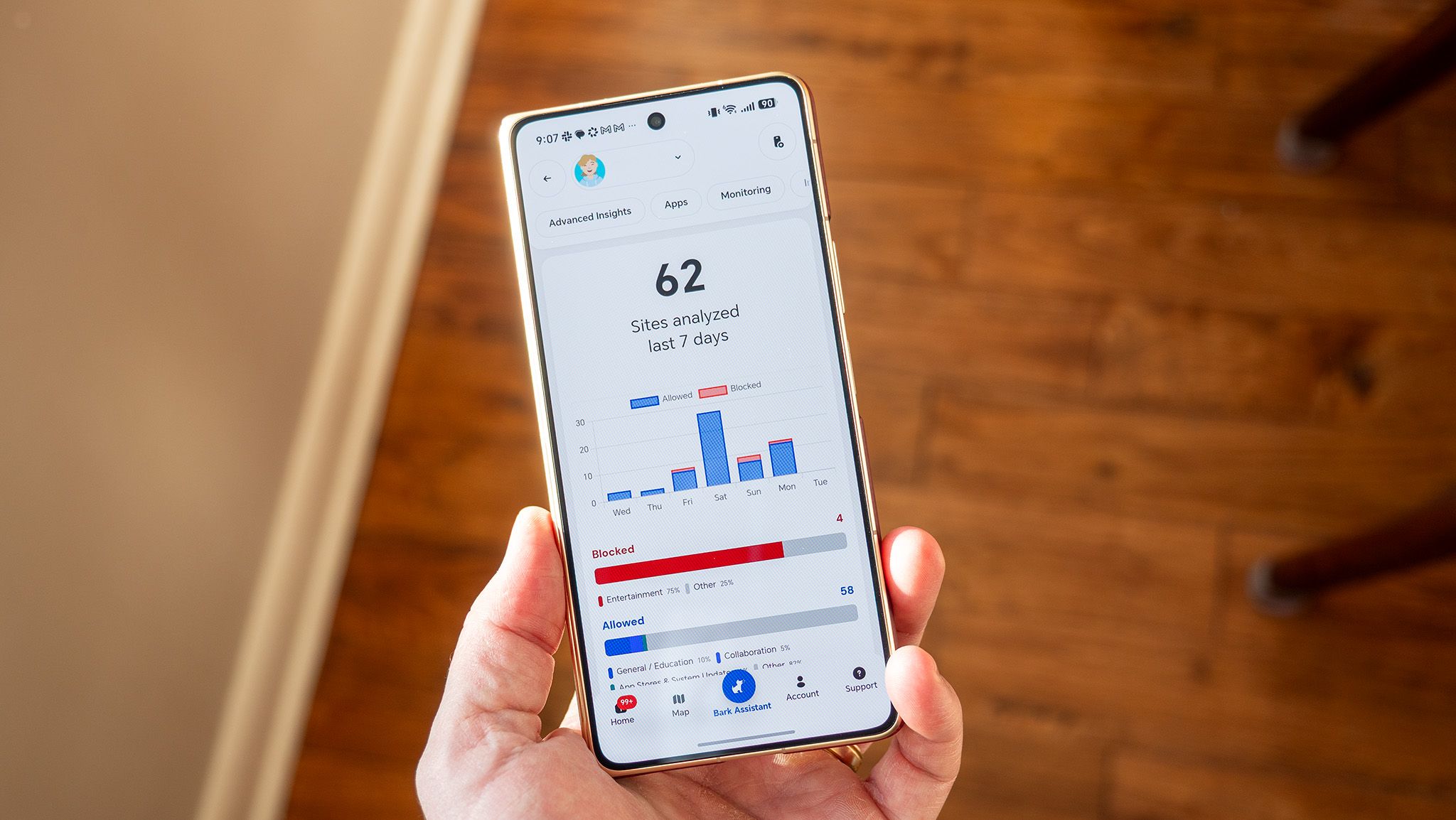
For many parents, the introduction of a child’s first smartphone or smartwatch is a double-edged sword. It offers the convenience of constant communication and the peace of mind provided by GPS tracking, yet it simultaneously opens a portal to content and social dynamics that can be difficult for a young mind to process. Nicholas Sutrich, a long-term observer of the tech industry, has spent the last two years navigating this delicate balance with his son. Since 2024, Sutrich has integrated Bark’s parental control software into his family’s daily life, recently expanding that coverage to include the 2026 Bark Watch. His experience highlights a significant evolution in the field: the move from reactive blocking to proactive, intelligent oversight.
Redefining Parental Controls Through Intelligence
The core frustration with traditional parental control software often lies in its rigidity. Most systems operate on a binary logic—content is either allowed or blocked based on broad categories or specific keywords. This "all-or-nothing" approach frequently fails to account for the nuances of modern adolescent communication. Bark, however, distinguishes itself by utilizing an AI-powered engine designed to understand the context of digital activity.
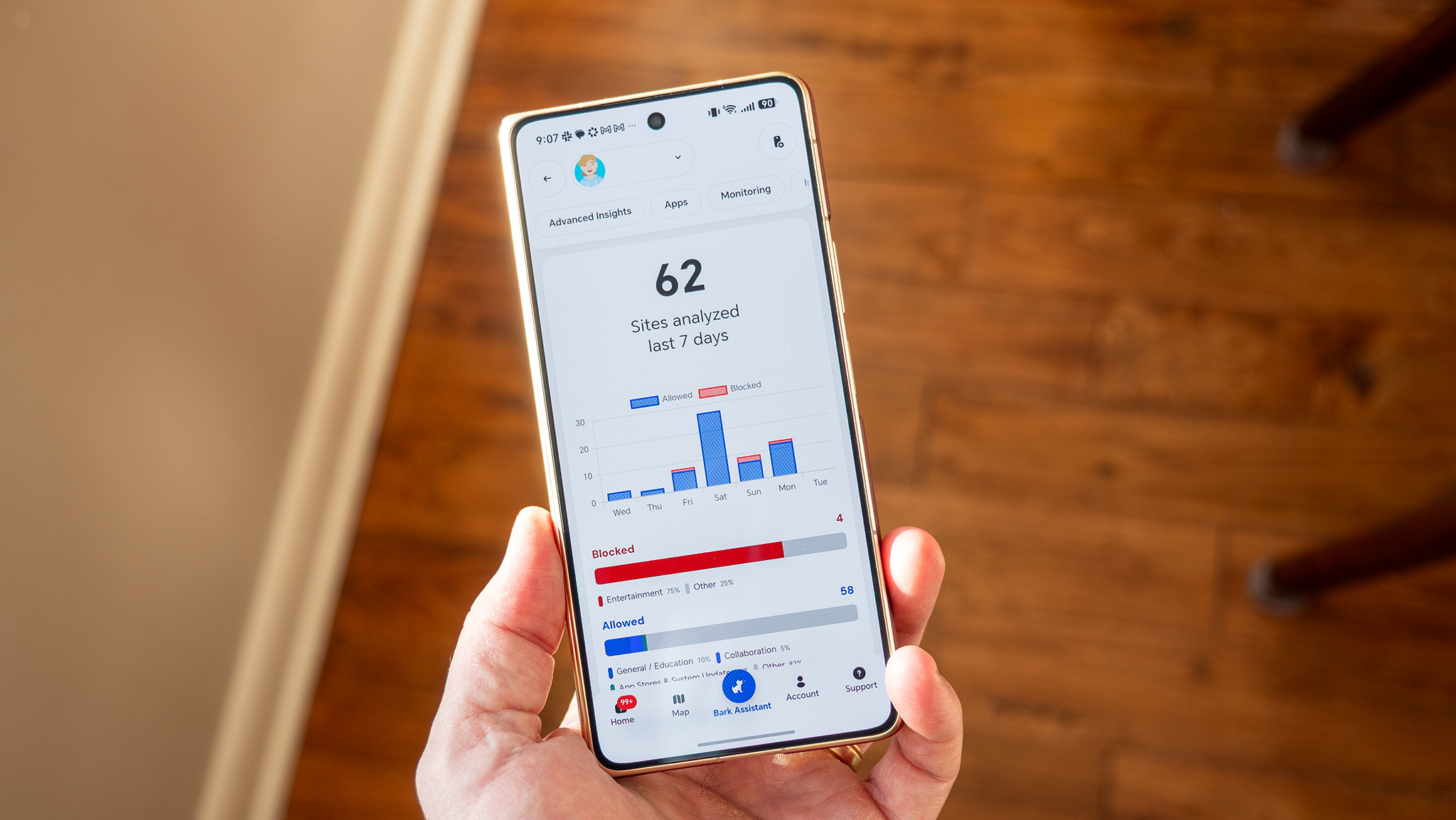
Bark does not simply act as a gatekeeper; it functions more like a digital sentry. The service provides a comprehensive suite of tools that can be installed on existing Android and iOS devices, or accessed through Bark’s own line of hardware. By linking the software to a child’s various social accounts—including Gmail, YouTube, Instagram, TikTok, and Discord—parents gain a bird’s-eye view of their child’s digital footprint without needing to manually audit every message sent or received.
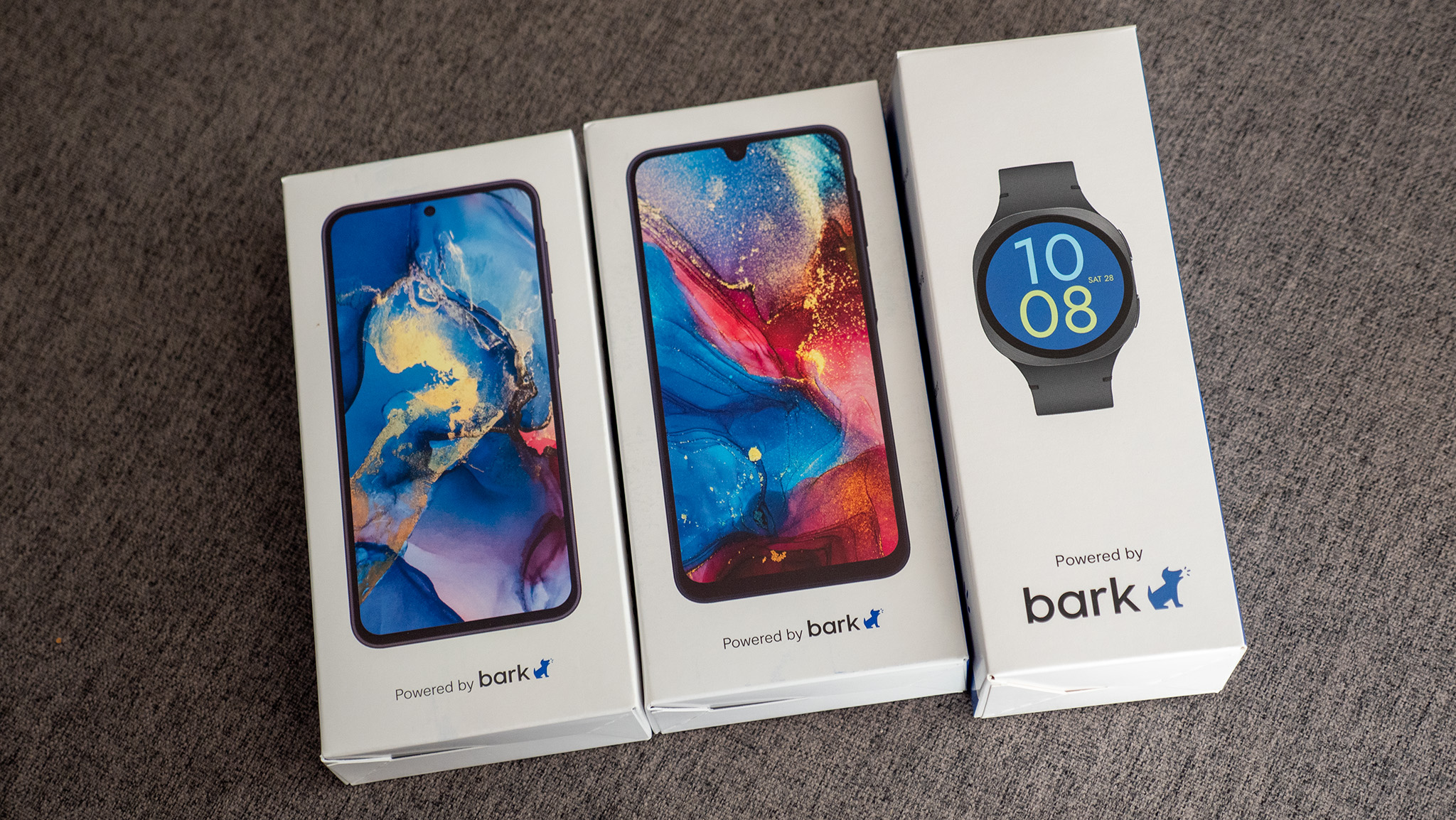
For those who prefer a more integrated solution, Bark offers dedicated hardware, including two phone models and a smartwatch built on Samsung’s reliable hardware architecture. Sutrich notes that while the Bark Watch utilizes Galaxy Watch 8 internals, providing a high-quality user experience, the software remains the primary draw. Interestingly, his choice to use Bark software on non-Samsung phones for his son stems from a specific health consideration: PWM (Pulse Width Modulation) dimming. This technical detail, which causes screen flickering that can lead to health issues for sensitive users, highlights the flexibility of the Bark platform. It allows parents to choose the hardware that best fits their child’s physical needs while maintaining a consistent layer of digital protection.
The Whistleblower: Monitoring Without Micromanagement
As children enter their early teens, the nature of parenting shifts toward fostering independence. A thirteen-year-old requires a level of autonomy that a seven-year-old does not, yet the dangers of the internet do not diminish with age; they merely change shape. The challenge for the modern parent is to provide enough rope for the child to learn how to navigate the world without allowing them to wander into harm’s way.
 Mobile Device Management (MDM) & Mobile OS
Power on the Move: Why High-Wattage Wired Charging is Becoming Essential for Modern Travelers
In the rapidly evolving landscape of mobile technology, the way we power...
 Mobile Device Management (MDM) & Mobile OS
Samsung Accelerates Exynos 2700 Production Amid Strategic Shifts for the Galaxy S27 Series
Samsung’s semiconductor division is reportedly entering a critical phase of its roadmap...
 Mobile Device Management (MDM) & Mobile OS
Google Prepared to Expand Wearable Lineup with New Fitbit Edge Tracker
The landscape of the wearable technology market is undergoing a significant shift...







