

In the contemporary landscape of parenting, the mandate to protect one’s children has extended far beyond the physical boundaries of the home and the schoolyard. As children transition into the digital world, the challenges of guardianship evolve from managing physical safety to navigating a complex, often invisible web of online interactions. While the instinct to shield children from the darker corners of the internet is universal, the methodology for doing so has historically been limited to blunt instruments: total bans, restrictive filters, or invasive snooping. However, a new paradigm is emerging in the form of context-aware, AI-driven monitoring—a shift exemplified by the Bark ecosystem.
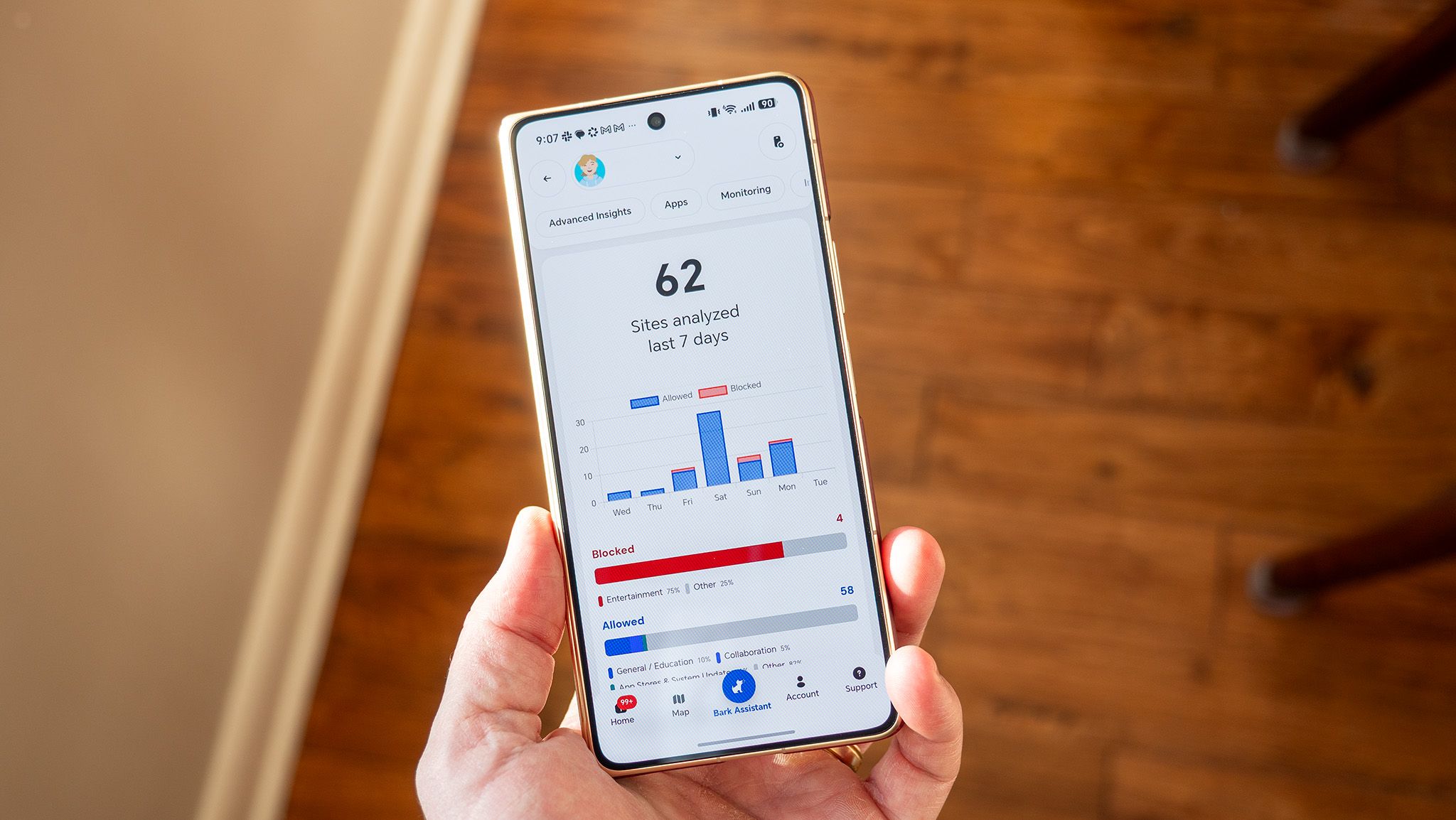
For many parents, the introduction of a child’s first smartphone or smartwatch is a double-edged sword. It offers the convenience of constant communication and the peace of mind provided by GPS tracking, yet it simultaneously opens a portal to content and social dynamics that can be difficult for a young mind to process. Nicholas Sutrich, a long-term observer of the tech industry, has spent the last two years navigating this delicate balance with his son. Since 2024, Sutrich has integrated Bark’s parental control software into his family’s daily life, recently expanding that coverage to include the 2026 Bark Watch. His experience highlights a significant evolution in the field: the move from reactive blocking to proactive, intelligent oversight.
Redefining Parental Controls Through Intelligence
The core frustration with traditional parental control software often lies in its rigidity. Most systems operate on a binary logic—content is either allowed or blocked based on broad categories or specific keywords. This "all-or-nothing" approach frequently fails to account for the nuances of modern adolescent communication. Bark, however, distinguishes itself by utilizing an AI-powered engine designed to understand the context of digital activity.
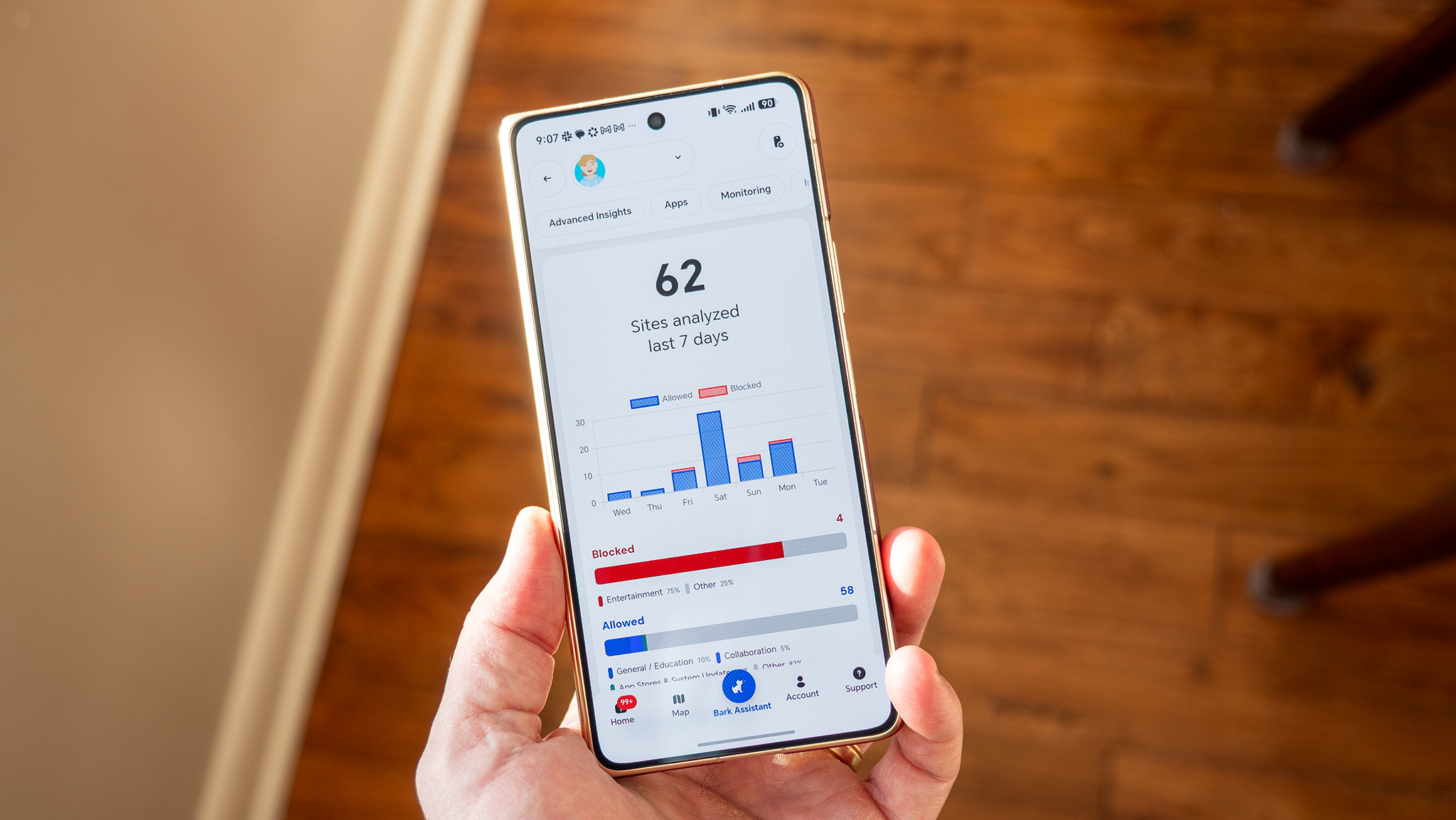
Bark does not simply act as a gatekeeper; it functions more like a digital sentry. The service provides a comprehensive suite of tools that can be installed on existing Android and iOS devices, or accessed through Bark’s own line of hardware. By linking the software to a child’s various social accounts—including Gmail, YouTube, Instagram, TikTok, and Discord—parents gain a bird’s-eye view of their child’s digital footprint without needing to manually audit every message sent or received.
For those who prefer a more integrated solution, Bark offers dedicated hardware, including two phone models and a smartwatch built on Samsung’s reliable hardware architecture. Sutrich notes that while the Bark Watch utilizes Galaxy Watch 8 internals, providing a high-quality user experience, the software remains the primary draw. Interestingly, his choice to use Bark software on non-Samsung phones for his son stems from a specific health consideration: PWM (Pulse Width Modulation) dimming. This technical detail, which causes screen flickering that can lead to health issues for sensitive users, highlights the flexibility of the Bark platform. It allows parents to choose the hardware that best fits their child’s physical needs while maintaining a consistent layer of digital protection.

The Whistleblower: Monitoring Without Micromanagement
As children enter their early teens, the nature of parenting shifts toward fostering independence. A thirteen-year-old requires a level of autonomy that a seven-year-old does not, yet the dangers of the internet do not diminish with age; they merely change shape. The challenge for the modern parent is to provide enough rope for the child to learn how to navigate the world without allowing them to wander into harm’s way.
Bark addresses this by acting as a "whistleblower" rather than a constant observer. The AI engine scans a wide array of data types, including text messages, photos, and videos. This data is processed through a private VPN, and the system only alerts the parent when it identifies something potentially problematic. This approach preserves a degree of privacy for the child, as the parent is not prompted to read every mundane conversation about homework or weekend plans. Instead, they are only brought into the loop when the AI flags content related to bullying, violence, or other sensitive topics.

Sutrich reports that this system generates approximately three alerts per month for his son—a frequency that is manageable and, more importantly, actionable. The value of these alerts lies in the context they provide. In one instance, the system flagged a conversation on Discord where the phrase "I’m going to kill you" was used. In a vacuum, such a statement is alarming. However, because Bark allows the parent to see the surrounding activity, it quickly became clear that the boys were simply playing Roblox, a popular gaming platform where "killing" an opponent’s avatar is a standard part of the gameplay. By understanding the context, a potential crisis was revealed to be nothing more than harmless adolescent competitive banter.
The Role of Context in Digital Mentorship
The ability to distinguish between genuine threats and typical "potty humor" or gaming slang is what sets an AI-driven system apart from a keyword filter. Sutrich recounts another example where the system flagged a video his son had recorded as containing "sexual content." Upon review, the video was revealed to be a display of crude adolescent humor that had pushed the boundaries of appropriateness. Rather than a cause for panic, it became a "teachable moment"—a chance for a quick conversation to nip the behavior in the bud before it escalated or was shared in a more public forum.

This proactive monitoring even extends to physical well-being. When Sutrich’s son took a photo of a badly skinned knee to show his friends, Bark’s image analysis triggered an alert. This allowed Sutrich to have medical supplies ready the moment his son walked through the door. This level of insight transforms the software from a restrictive tool into a digital companion that assists in the holistic parenting of a child in the digital age. It moves the parent away from the role of a "snooper" and toward the role of a mentor.
The Bark Assistant and the Power of Large Language Models
As the volume of digital interaction grows, even well-intentioned monitoring can become overwhelming. To combat this, Bark has integrated an AI-powered "Assistant" into its application. Launched via a central button in the app’s navigation bar, the Assistant utilizes a Large Language Model (LLM) to help parents navigate the wealth of data collected by the system.
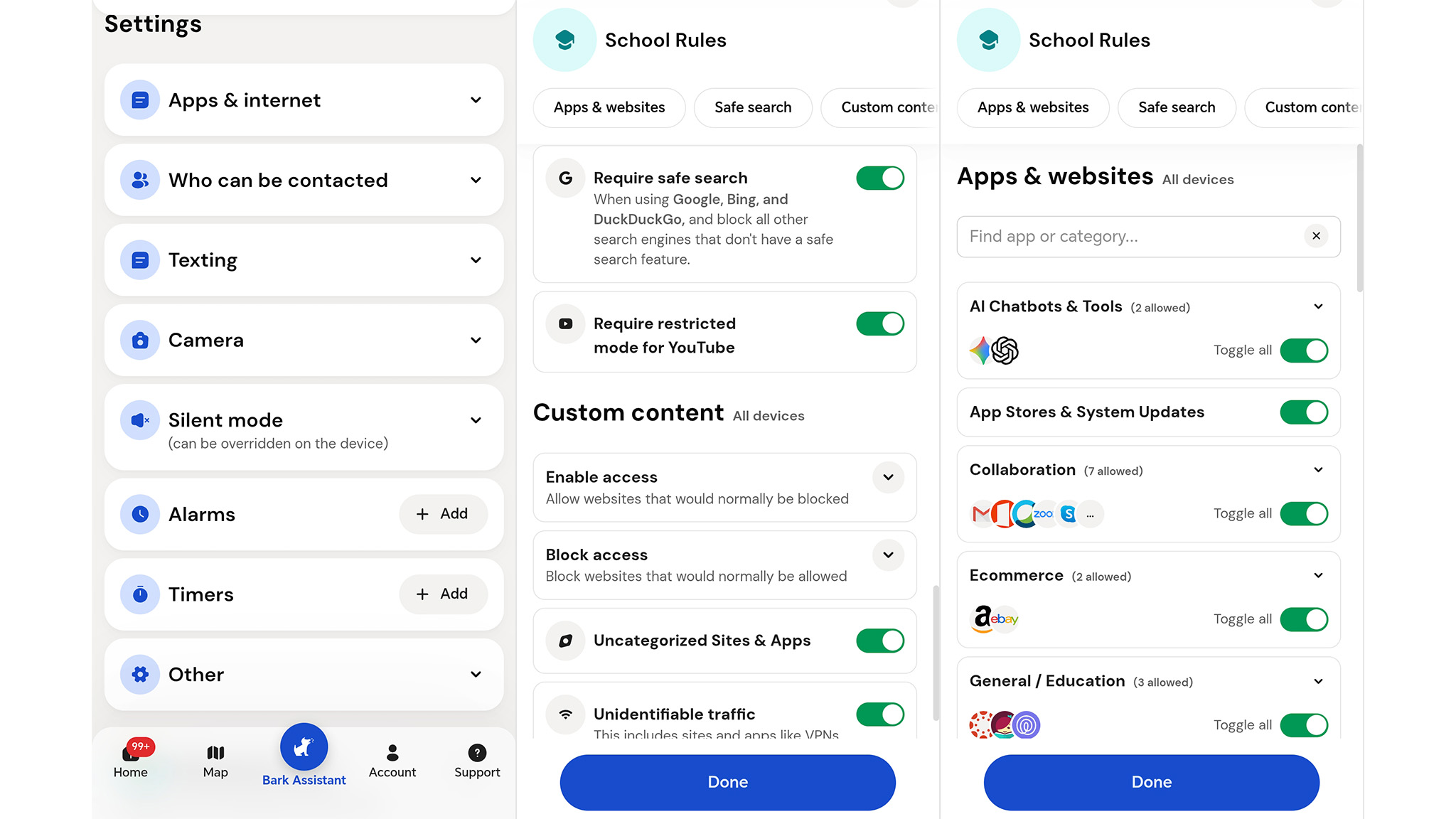
The Bark Assistant can answer specific questions about a child’s account activity, make quick adjustments to settings, or highlight features that the parent might not be utilizing. One of the most useful features is the ability to generate a one-page summary of a child’s contacts over the past seven days. This is particularly vital for platforms like Discord, where anonymity is common and the risk of interacting with strangers is higher. By seeing a summarized view of who their child is talking to, parents can identify unfamiliar names or unusual patterns of communication without having to scroll through hundreds of messages.
Semantic Understanding: The Zelda Example
Perhaps the most compelling evidence for the necessity of semantic understanding in parental controls is found in Bark’s "Advanced Insights" tab. This feature uses a private LLM to summarize recent data and offer "conversation starters" for parents. Sutrich shares a humorous but illustrative example involving a Google search his son made for "where is the eighth heroine?"

A traditional, keyword-based filter would likely flag this search immediately due to the similarity between "heroine" and "heroin," potentially leading to a confrontational and unnecessary accusation regarding drug use. However, Bark’s AI recognized the broader context. It identified that "The Eighth Heroine" is actually a well-known puzzle within the video game The Legend of Zelda: Breath of the Wild. The system was able to inform the parent that while the search triggered a flag for drug-related content due to the spelling, it was almost certainly related to a game character.
Furthermore, the app provided a suggested way to broach the topic: "I saw you were searching for an ‘eighth heroine’ online—were you looking up a character from a show or game? I’d love to hear what you were digging into." This approach encourages open communication rather than defensiveness. It allows the parent to verify the child’s safety while showing an interest in their hobbies.

A Holistic Approach to Digital Safety
The integration of AI and LLMs into parental controls represents a fundamental shift in how families manage technology. By moving beyond the "block-and-restrict" model, tools like Bark offer a more nuanced, sophisticated way to guide children through their formative digital years. It acknowledges that the internet is an integral part of modern life and that the goal of parenting is not to keep children away from technology, but to teach them how to use it responsibly.
For parents like Sutrich, the benefit of such a system is the "big picture" understanding it provides. It offers the reassurance that a digital eye is watching for genuine dangers, allowing the parent to step back and give their child the room to grow. In the end, the most effective parental control is not a piece of software that blocks a website, but a tool that facilitates a conversation between a parent and a child. By providing context and insight, AI is proving to be a powerful ally in building the trust necessary for that conversation to happen.
 Mobile Device Management (MDM) & Mobile OS
Google Messages Overhauls Interface with New Gestures and Contextual Menus for Android Users
Google is currently in the process of rolling out a significant update...
 Mobile Device Management (MDM) & Mobile OS
Samsung Reportedly Developing ‘Galaxy Studio’ Over-Ear Headphones to Challenge Apple and Sony
For nearly a decade, the premium over-ear headphone market has been defined...
 Mobile Device Management (MDM) & Mobile OS
Google Explores Enhanced Security for Chrome on Android with Biometric Password Reauthentication
The convenience of modern mobile browsing often rests on a delicate balance...






