

Bark addresses this by acting as a "whistleblower" rather than a constant observer. The AI engine scans a wide array of data types, including text messages, photos, and videos. This data is processed through a private VPN, and the system only alerts the parent when it identifies something potentially problematic. This approach preserves a degree of privacy for the child, as the parent is not prompted to read every mundane conversation about homework or weekend plans. Instead, they are only brought into the loop when the AI flags content related to bullying, violence, or other sensitive topics.

Sutrich reports that this system generates approximately three alerts per month for his son—a frequency that is manageable and, more importantly, actionable. The value of these alerts lies in the context they provide. In one instance, the system flagged a conversation on Discord where the phrase "I’m going to kill you" was used. In a vacuum, such a statement is alarming. However, because Bark allows the parent to see the surrounding activity, it quickly became clear that the boys were simply playing Roblox, a popular gaming platform where "killing" an opponent’s avatar is a standard part of the gameplay. By understanding the context, a potential crisis was revealed to be nothing more than harmless adolescent competitive banter.
The Role of Context in Digital Mentorship
The ability to distinguish between genuine threats and typical "potty humor" or gaming slang is what sets an AI-driven system apart from a keyword filter. Sutrich recounts another example where the system flagged a video his son had recorded as containing "sexual content." Upon review, the video was revealed to be a display of crude adolescent humor that had pushed the boundaries of appropriateness. Rather than a cause for panic, it became a "teachable moment"—a chance for a quick conversation to nip the behavior in the bud before it escalated or was shared in a more public forum.

This proactive monitoring even extends to physical well-being. When Sutrich’s son took a photo of a badly skinned knee to show his friends, Bark’s image analysis triggered an alert. This allowed Sutrich to have medical supplies ready the moment his son walked through the door. This level of insight transforms the software from a restrictive tool into a digital companion that assists in the holistic parenting of a child in the digital age. It moves the parent away from the role of a "snooper" and toward the role of a mentor.
The Bark Assistant and the Power of Large Language Models
As the volume of digital interaction grows, even well-intentioned monitoring can become overwhelming. To combat this, Bark has integrated an AI-powered "Assistant" into its application. Launched via a central button in the app’s navigation bar, the Assistant utilizes a Large Language Model (LLM) to help parents navigate the wealth of data collected by the system.
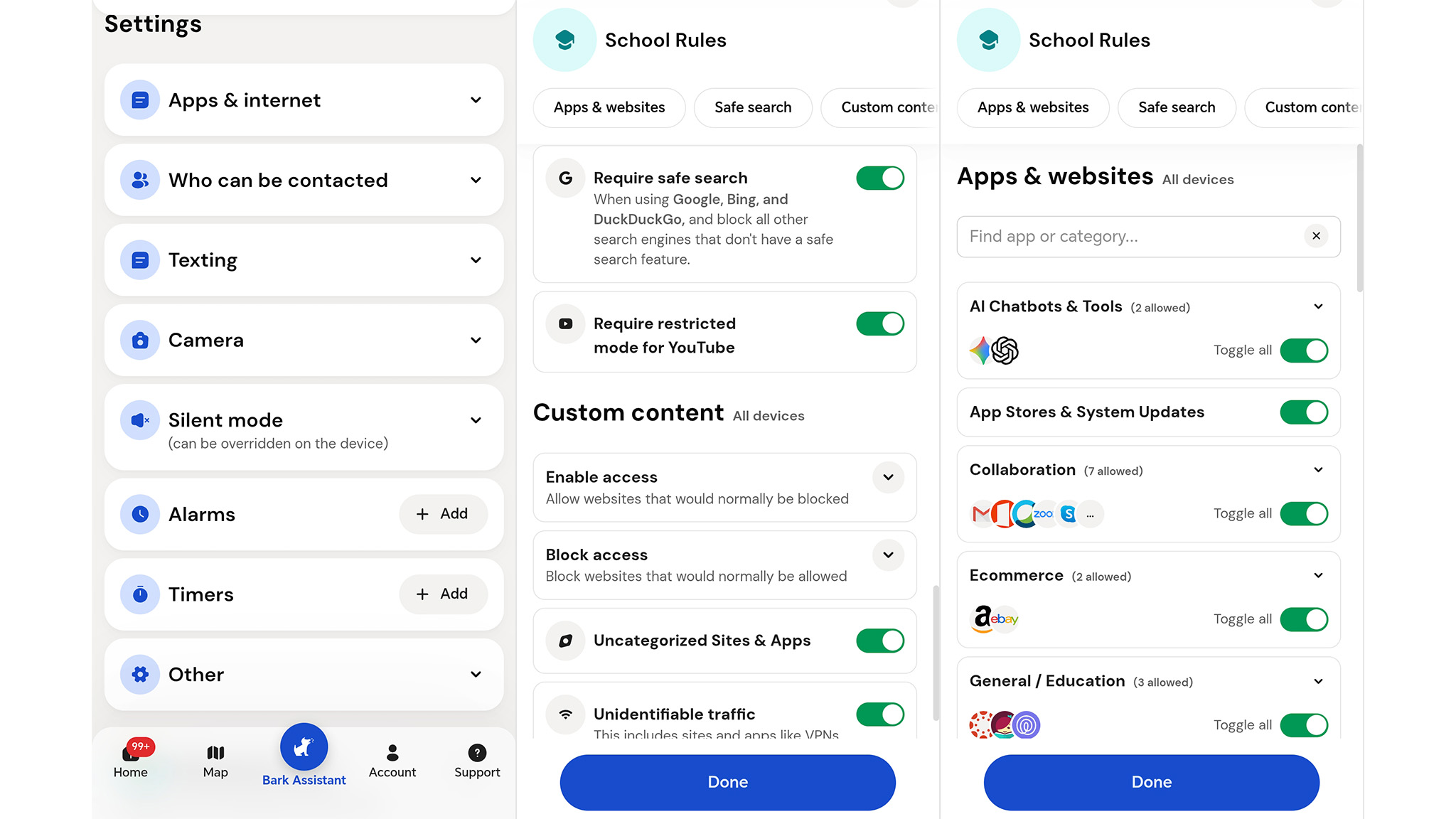
The Bark Assistant can answer specific questions about a child’s account activity, make quick adjustments to settings, or highlight features that the parent might not be utilizing. One of the most useful features is the ability to generate a one-page summary of a child’s contacts over the past seven days. This is particularly vital for platforms like Discord, where anonymity is common and the risk of interacting with strangers is higher. By seeing a summarized view of who their child is talking to, parents can identify unfamiliar names or unusual patterns of communication without having to scroll through hundreds of messages.
 Mobile Device Management (MDM) & Mobile OS
Google Unveils Android Bench 2.0 to Evaluate AI Performance on Complex, Long-Horizon Development Tasks
In a significant move to refine how artificial intelligence interacts with the...
 Mobile Device Management (MDM) & Mobile OS
Power on the Move: Why High-Wattage Wired Charging is Becoming Essential for Modern Travelers
In the rapidly evolving landscape of mobile technology, the way we power...
 Mobile Device Management (MDM) & Mobile OS
Amazon Slashes Samsung Galaxy S26 Ultra Price by $450 Following Recent Market Adjustments
In a surprising turn of events for the mobile industry, the Samsung...







