
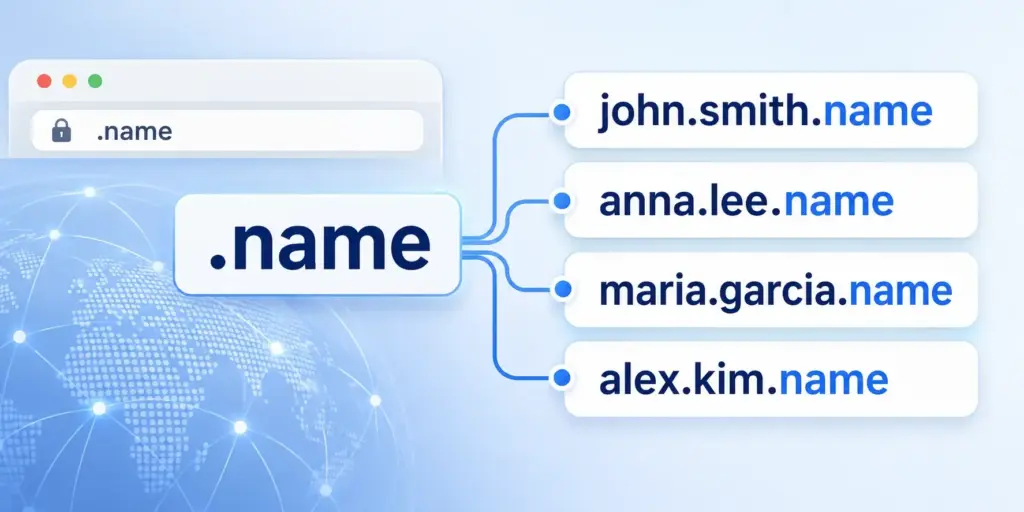
In a significant victory for long-time internet users and digital identity advocates, Verisign (NASDAQ: VRSN) has officially scrapped its controversial plans to terminate third-level domain name registrations within the .name top-level domain (TLD). The decision marks a total reversal of a policy that would have forced thousands of individuals to abandon email addresses and personal websites they have maintained for decades.
The reversal follows a period of intense pressure from the registrant community, legal threats, and high-level advocacy at international internet governance forums. By opting to "grandfather" existing registrations, Verisign has provided a reprieve to a dedicated group of users who argued that the technical and personal cost of losing their domains was far higher than the registry had initially calculated.
The Origins of the Conflict
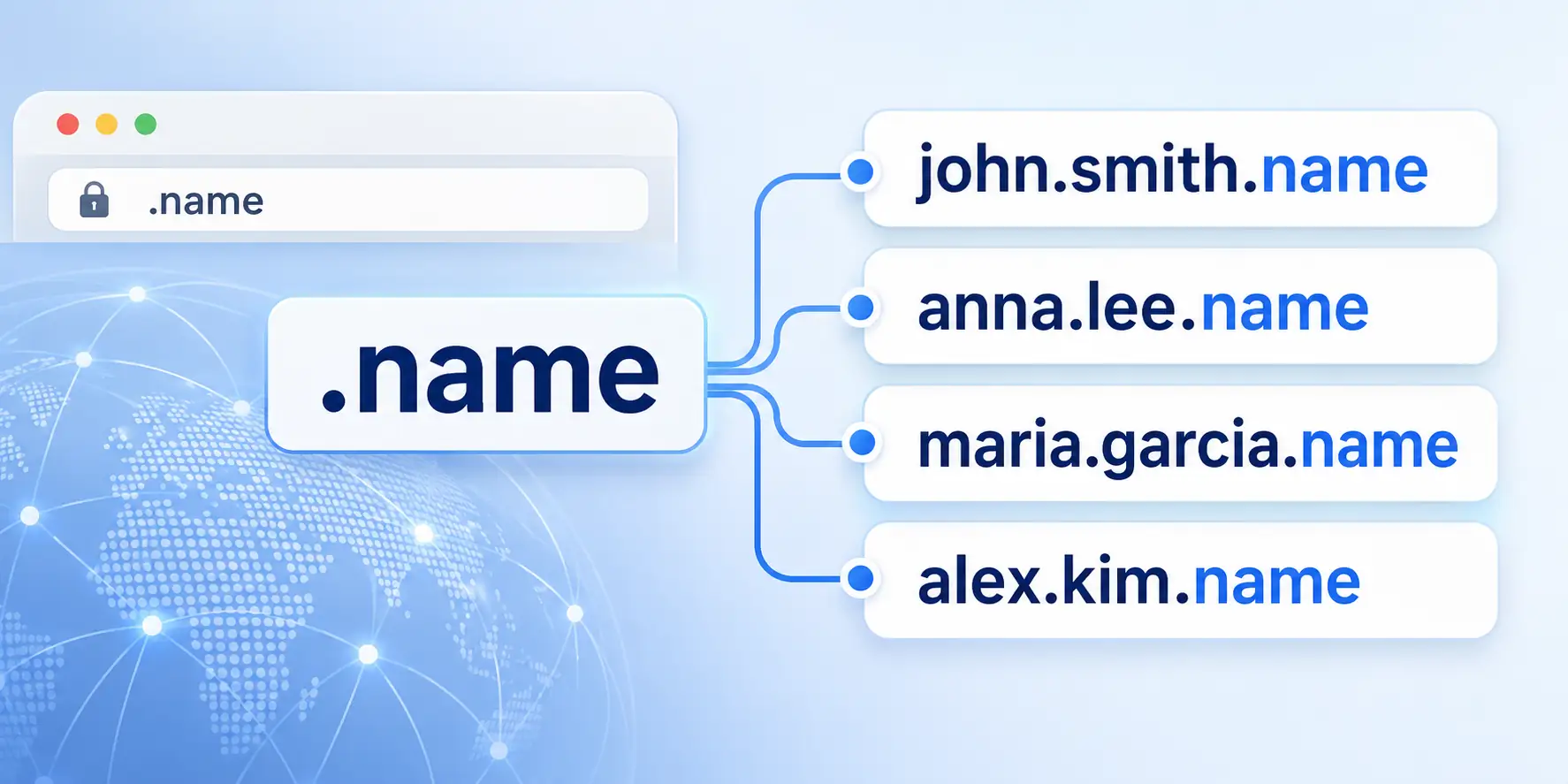
The dispute began earlier this year when Verisign, the registry operator responsible for the .com and .net TLDs as well as the more niche .name, announced its intention to sunset third-level registrations. Unlike standard second-level domains—such as example.com—the .name TLD was originally launched in 2001 with a unique structure designed for individuals. It allowed users to register domains in the format of john.doe.name. These third-level registrations often came bundled with email forwarding services, such as [email protected], making them a popular choice for personal branding in the early 2000s.
In its initial filing to the Internet Corporation for Assigned Names and Numbers (ICANN), Verisign argued that the third-level registration model was a relic of an earlier era of the internet. The company pointed to dwindling registration numbers and a lack of general market interest as reasons to terminate the service. From a purely administrative standpoint, Verisign contended that maintaining the infrastructure for a low-volume product was no longer efficient.
ICANN, the global nonprofit that oversees the internet’s domain name system (DNS), initially signaled its agreement with Verisign’s request. The organization’s primary focus is often on the security and stability of the DNS, and it appeared to accept the registry’s argument that phasing out an underutilized product would not cause significant systemic disruption. However, this assessment failed to account for the deep-seated reliance of the individual users who still utilized these domains.
The Human Cost of Digital Erasure
As news of the planned termination spread, the impacted community quickly organized. For many .name registrants, these domains were not just experimental web addresses but central pillars of their digital lives. Because the .name TLD was specifically marketed to individuals for personal use, many users had utilized their third-level domains as their primary email addresses for more than 20 years.
The hardship of losing such a domain is not merely sentimental; it is deeply practical. One of the most poignant examples brought before ICANN involved an elderly registrant who filed a formal request to overturn the decision. She explained that her .name email address was tied to 211 different online accounts, including banking, healthcare, and government services. For a user in her position, the prospect of updating two decades’ worth of digital credentials was not just a burden—it was a logistical nightmare that posed a genuine risk of losing access to essential services.
This sentiment was echoed by hundreds of others who pointed out that modern multi-factor authentication (MFA) and account recovery systems are often tethered to a primary email address. If the underlying domain were to disappear, users would find themselves locked out of their digital lives, unable to receive password reset links or verification codes. For these registrants, Verisign’s "low usage" argument felt like a dismissal of their long-term loyalty and the permanence they expected when they first registered their names.
Resistance and the Road to Bali
The pushback against Verisign and ICANN was not limited to public comments and letters of protest. The community took a more confrontational approach as the reality of the situation set in. One prominent registrant, Neil Fraser, went as far as to hire legal counsel to challenge the decision. The legal arguments centered on the idea that registrants had a reasonable expectation of service continuity and that ICANN had a duty to protect the interests of the registrants it serves.
The conflict reached a boiling point during a recent ICANN public meeting in Bali. At least one registrant traveled to the meeting in person to argue their case before the ICANN Board and the broader community. The presence of a physical advocate for the .name registrants served as a stark reminder that behind every "low-volume" data point in a registry’s spreadsheet is a human being whose digital identity was at stake.
Public pressure also mounted through industry analysts and journalists who covered the domain space. Critics argued that ICANN and Verisign had a moral and operational obligation to work together to reverse the decision. The argument was simple: the cost for a multi-billion-dollar company like Verisign to maintain these existing records was negligible, while the cost to the individual users of losing them was catastrophic.
A Victory Through Grandfathering
The turning point came this month when Verisign sent a formal communication to ICANN, signed by Pat Kane, Senior Vice President at Verisign, addressed to ICANN’s leadership. In the letter, Verisign confirmed that it has "nixed" its plans to cancel existing third-level registrations.
Under the new plan, Verisign will implement a grandfathering policy. This means that while the registry may still move forward with plans to stop accepting new third-level .name registrations, it will allow existing users to renew and maintain their current domains indefinitely. There is, however, one caveat: the domains will remain active only as long as at least one domain registrar continues to support the technical requirements for these registrations.
This move has been widely praised as a pragmatic and fair resolution. For Verisign, the decision helps to stem a tide of negative publicity that was beginning to impact its corporate reputation. As the registry for .com and .net, Verisign is one of the most profitable and influential entities in the internet infrastructure space. The financial gain from eliminating the .name third-level infrastructure would have been trivial compared to the company’s quarterly earnings, which are driven by tens of millions of .com registrations. By yielding on this issue, Verisign has demonstrated a level of responsiveness to the community that may help repair its standing with critics.
Implications for ICANN and DNS Governance
While the immediate crisis for .name registrants has been averted, the situation has left many in the industry calling for a deeper investigation into how the decision was reached in the first place. The fact that ICANN—an organization whose core mission includes maintaining the "security, stability, and resiliency" of the DNS—initially approved a plan that would have intentionally broken thousands of active email addresses and websites is a point of significant concern.
Industry experts are now calling for ICANN to conduct a "post-mortem" on the incident. The goal of such an inquiry would be to understand why the potential for user harm was not identified earlier in the process. It raises broader questions about the "multistakeholder model" of internet governance: if a registry and a regulator can agree to terminate a service without a robust mechanism to protect the end-users who rely on it, then the system may be skewed too heavily in favor of corporate efficiency over consumer protection.
The .name reversal serves as a reminder that domains are more than just entries in a database; they are the foundation of modern identity. As the internet continues to age, the industry will likely face more "legacy" issues where older technologies and TLD structures clash with modern corporate goals.
Looking Ahead for .name Users
For the thousands of people who can now keep their first.last.name addresses, the immediate feeling is one of relief. However, the requirement that a registrar must still support these domains means that users should remain vigilant. While Verisign has agreed to maintain the registry-level support, it is up to retail registrars—companies like GoDaddy, Namecheap, and others—to continue providing the interface for renewals and management.
Registrants are being encouraged to ensure their contact information is up to date and to keep an eye on communications from their specific registrars regarding the future of .name support. For now, the digital identities of some of the internet’s most loyal users remain secure, proving that even in the face of corporate and regulatory consensus, a well-organized community can still effect change.
 Web Hosting & Domain Management
GoDaddy CEO Announces New Afternic Incentive Program to Lower Effective Commissions for Domain Sellers
MIAMI — In a move designed to further solidify its position at...
 Web Hosting & Domain Management
The Hidden Economy of Expired Domains: Analyzing the June SEO Auction High-Rollers
In the specialized world of domain name investing, a high sale price...
 Web Hosting & Domain Management
WIPO Panel Issues Finding of Reverse Domain Name Hijacking in Dispute Over Satta Matka Domain
In a significant ruling that underscores the protections afforded to generic terms...







