In a significant victory for long-time internet users and digital identity advocates, Verisign (NASDAQ: VRSN) has officially scrapped its controversial plans to terminate third-level domain name registrations within the .name top-level domain (TLD). The decision marks a total reversal of a policy that would have forced thousands of individuals to abandon email addresses and personal websites they have maintained for decades.
The reversal follows a period of intense pressure from the registrant community, legal threats, and high-level advocacy at international internet governance forums. By opting to "grandfather" existing registrations, Verisign has provided a reprieve to a dedicated group of users who argued that the technical and personal cost of losing their domains was far higher than the registry had initially calculated.
The Origins of the Conflict
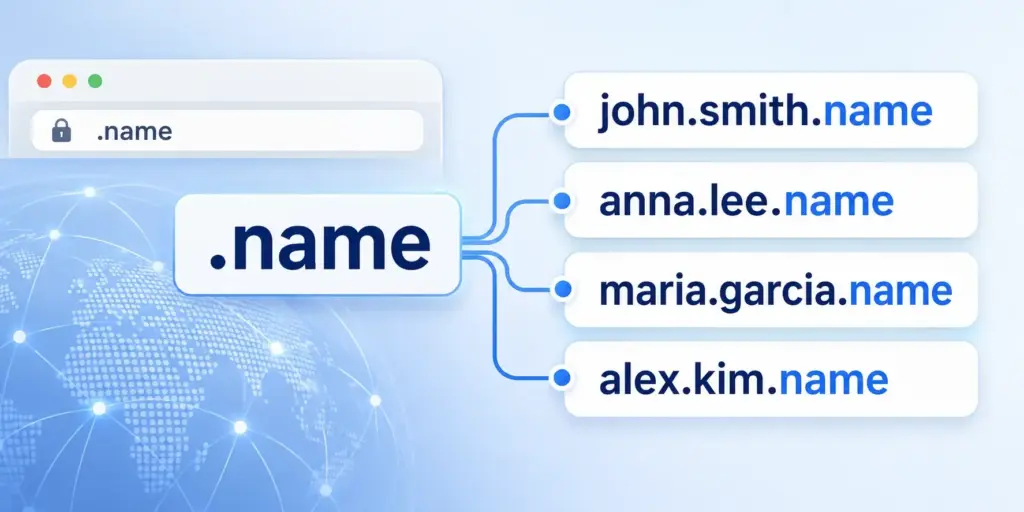
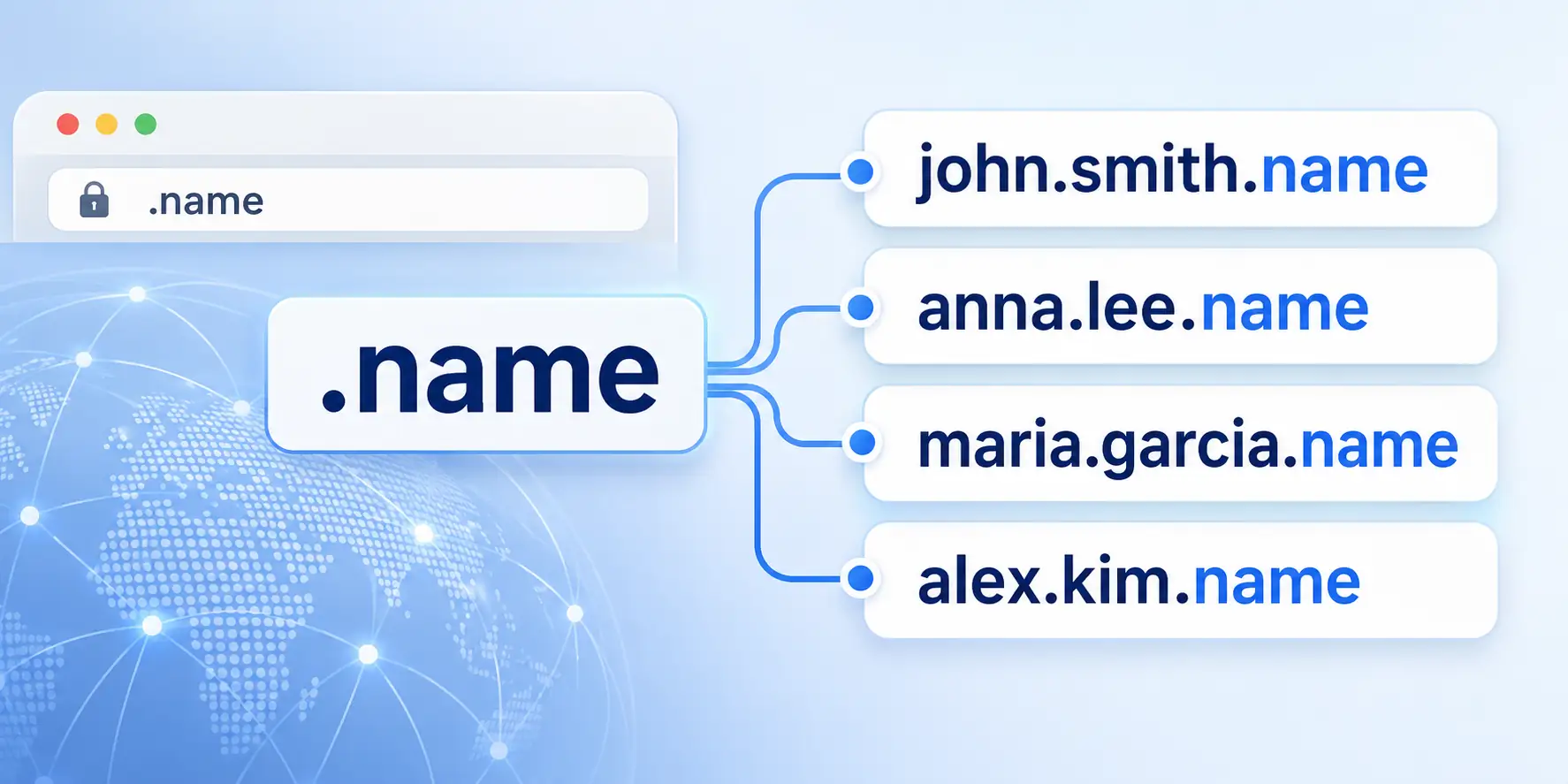
The dispute began earlier this year when Verisign, the registry operator responsible for the .com and .net TLDs as well as the more niche .name, announced its intention to sunset third-level registrations. Unlike standard second-level domains—such as example.com—the .name TLD was originally launched in 2001 with a unique structure designed for individuals. It allowed users to register domains in the format of john.doe.name. These third-level registrations often came bundled with email forwarding services, such as [email protected], making them a popular choice for personal branding in the early 2000s.
In its initial filing to the Internet Corporation for Assigned Names and Numbers (ICANN), Verisign argued that the third-level registration model was a relic of an earlier era of the internet. The company pointed to dwindling registration numbers and a lack of general market interest as reasons to terminate the service. From a purely administrative standpoint, Verisign contended that maintaining the infrastructure for a low-volume product was no longer efficient.
ICANN, the global nonprofit that oversees the internet’s domain name system (DNS), initially signaled its agreement with Verisign’s request. The organization’s primary focus is often on the security and stability of the DNS, and it appeared to accept the registry’s argument that phasing out an underutilized product would not cause significant systemic disruption. However, this assessment failed to account for the deep-seated reliance of the individual users who still utilized these domains.
The Human Cost of Digital Erasure
As news of the planned termination spread, the impacted community quickly organized. For many .name registrants, these domains were not just experimental web addresses but central pillars of their digital lives. Because the .name TLD was specifically marketed to individuals for personal use, many users had utilized their third-level domains as their primary email addresses for more than 20 years.
The hardship of losing such a domain is not merely sentimental; it is deeply practical. One of the most poignant examples brought before ICANN involved an elderly registrant who filed a formal request to overturn the decision. She explained that her .name email address was tied to 211 different online accounts, including banking, healthcare, and government services. For a user in her position, the prospect of updating two decades’ worth of digital credentials was not just a burden—it was a logistical nightmare that posed a genuine risk of losing access to essential services.
 Web Hosting & Domain Management
AI-Driven Development and Defensive Strategies Shape Recent Surge in End-User Domain Sales
The landscape of the domain name secondary market is undergoing a significant...
 Web Hosting & Domain Management
WIPO Panelist Labels Mena Speakers LLC’s Attempt to Acquire Domain Name as Reverse Domain Name Hijacking
In a recent decision that serves as a stark warning to brand...
 Web Hosting & Domain Management
Legal Battle Erupts Over .easy Top-Level Domain as Link Freedom Group Sues easyGroup and Appeals to ICANN
The high-stakes competition for the next generation of internet real estate has...