
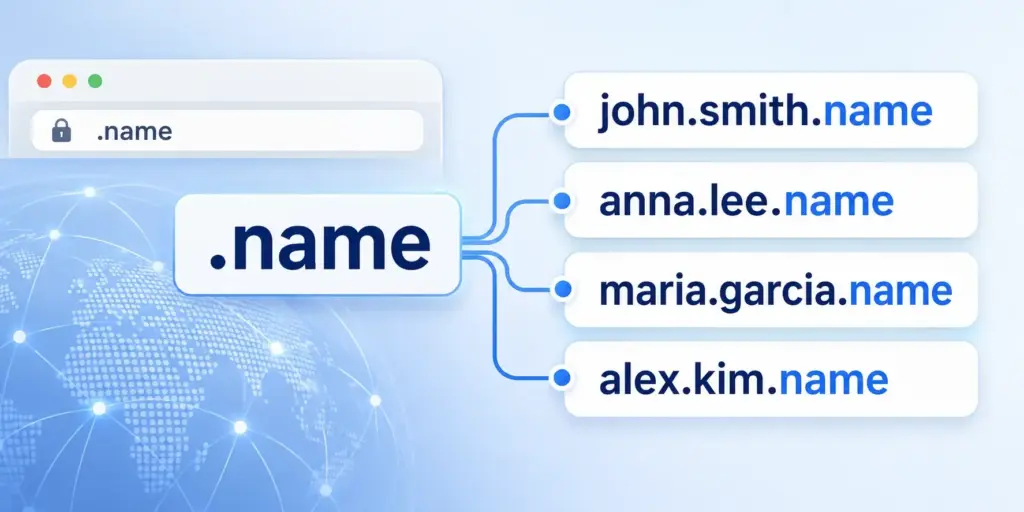
This move has been widely praised as a pragmatic and fair resolution. For Verisign, the decision helps to stem a tide of negative publicity that was beginning to impact its corporate reputation. As the registry for .com and .net, Verisign is one of the most profitable and influential entities in the internet infrastructure space. The financial gain from eliminating the .name third-level infrastructure would have been trivial compared to the company’s quarterly earnings, which are driven by tens of millions of .com registrations. By yielding on this issue, Verisign has demonstrated a level of responsiveness to the community that may help repair its standing with critics.
Implications for ICANN and DNS Governance
While the immediate crisis for .name registrants has been averted, the situation has left many in the industry calling for a deeper investigation into how the decision was reached in the first place. The fact that ICANN—an organization whose core mission includes maintaining the "security, stability, and resiliency" of the DNS—initially approved a plan that would have intentionally broken thousands of active email addresses and websites is a point of significant concern.
Industry experts are now calling for ICANN to conduct a "post-mortem" on the incident. The goal of such an inquiry would be to understand why the potential for user harm was not identified earlier in the process. It raises broader questions about the "multistakeholder model" of internet governance: if a registry and a regulator can agree to terminate a service without a robust mechanism to protect the end-users who rely on it, then the system may be skewed too heavily in favor of corporate efficiency over consumer protection.
The .name reversal serves as a reminder that domains are more than just entries in a database; they are the foundation of modern identity. As the internet continues to age, the industry will likely face more "legacy" issues where older technologies and TLD structures clash with modern corporate goals.
Looking Ahead for .name Users
For the thousands of people who can now keep their first.last.name addresses, the immediate feeling is one of relief. However, the requirement that a registrar must still support these domains means that users should remain vigilant. While Verisign has agreed to maintain the registry-level support, it is up to retail registrars—companies like GoDaddy, Namecheap, and others—to continue providing the interface for renewals and management.
Registrants are being encouraged to ensure their contact information is up to date and to keep an eye on communications from their specific registrars regarding the future of .name support. For now, the digital identities of some of the internet’s most loyal users remain secure, proving that even in the face of corporate and regulatory consensus, a well-organized community can still effect change.
 Web Hosting & Domain Management
Qatar Announces Major Policy Shift for .Qa Domains with New Residency and Documentation Requirements
The landscape of the Qatari digital space is undergoing a significant transformation...
 Web Hosting & Domain Management
The AI-Driven Acceleration of the Domain Aftermarket: Why 2026 is Seeing Record-Breaking Development Speeds
The secondary market for domain names has long been characterized by a...
 Web Hosting & Domain Management
The Expired Domain Gold Mine: How iGaming Operators are Resurrecting Old Brands for SEO Profit
The landscape of the domain name secondary market has undergone a radical...






