
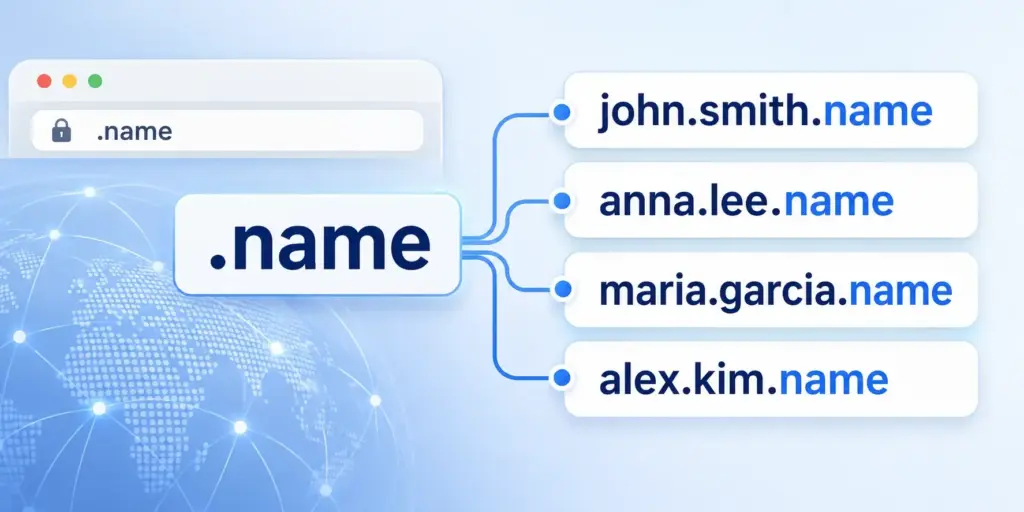
This sentiment was echoed by hundreds of others who pointed out that modern multi-factor authentication (MFA) and account recovery systems are often tethered to a primary email address. If the underlying domain were to disappear, users would find themselves locked out of their digital lives, unable to receive password reset links or verification codes. For these registrants, Verisign’s "low usage" argument felt like a dismissal of their long-term loyalty and the permanence they expected when they first registered their names.
Resistance and the Road to Bali
The pushback against Verisign and ICANN was not limited to public comments and letters of protest. The community took a more confrontational approach as the reality of the situation set in. One prominent registrant, Neil Fraser, went as far as to hire legal counsel to challenge the decision. The legal arguments centered on the idea that registrants had a reasonable expectation of service continuity and that ICANN had a duty to protect the interests of the registrants it serves.
The conflict reached a boiling point during a recent ICANN public meeting in Bali. At least one registrant traveled to the meeting in person to argue their case before the ICANN Board and the broader community. The presence of a physical advocate for the .name registrants served as a stark reminder that behind every "low-volume" data point in a registry’s spreadsheet is a human being whose digital identity was at stake.
Public pressure also mounted through industry analysts and journalists who covered the domain space. Critics argued that ICANN and Verisign had a moral and operational obligation to work together to reverse the decision. The argument was simple: the cost for a multi-billion-dollar company like Verisign to maintain these existing records was negligible, while the cost to the individual users of losing them was catastrophic.
A Victory Through Grandfathering
The turning point came this month when Verisign sent a formal communication to ICANN, signed by Pat Kane, Senior Vice President at Verisign, addressed to ICANN’s leadership. In the letter, Verisign confirmed that it has "nixed" its plans to cancel existing third-level registrations.
Under the new plan, Verisign will implement a grandfathering policy. This means that while the registry may still move forward with plans to stop accepting new third-level .name registrations, it will allow existing users to renew and maintain their current domains indefinitely. There is, however, one caveat: the domains will remain active only as long as at least one domain registrar continues to support the technical requirements for these registrations.
 Web Hosting & Domain Management
Double Defeat for Serial Complainant in Consecutive Reverse Domain Name Hijacking Rulings
In the complex and often contentious world of digital real estate, the...
 Web Hosting & Domain Management
Strategic Acquisitions and Global Branding: An Analysis of Recent End-User Domain Sales at Sedo
The secondary domain name market continues to serve as a vital indicator...
 Web Hosting & Domain Management
Strategic Acquisitions in the European Domain Market: Nameshift Data Reveals Recent End-User Sales Trends
The secondary market for domain names remains a critical indicator of corporate...







