


A variety of visual and behavioral polish passes have also been integrated into Kubuntu 26.10. The user interface benefits from targeted bug fixes resolving long-standing glitches encountered when toggling visual themes and system-wide dark modes. Desktop notifications feature a smooth glide animation upon appearance and dismissal, the Digital Clock panel widget can now display timezone offset labels directly alongside the time, and desktop folder views incorporate an optional type-ahead search feature to help users locate files quickly through direct keyboard input.
From an architectural standpoint, Kubuntu 26.10 marks the end of an era for legacy display server architecture. As with the preceding 26.04 cycle, a standard Plasma Wayland session serves as the default operational environment, while the traditional Plasma X11 session is omitted from the base installation image. Although users can still install the X11 session manually from the package repositories in this release, Kubuntu 26.10 stands as the final version where this manual workaround is viable, as upstream KDE has fully removed the plasma-session-x11 package in Plasma 6.8.
Ubuntu MATE 26.10
The arrival of Ubuntu MATE 26.10 represents a major operational milestone for the distribution, marking its formal return to the release roster after having sat out the Ubuntu 26.04 Long-Term Support release earlier in the year. The release is the first to be assembled and published under a newly organized maintenance team that took over stewardship of the project to ensure its long-term viability.
Because the new leadership focused primarily on stabilizing the project’s build pipeline and modernizing low-level system plumbing, Ubuntu MATE 26.10 does not attempt to upgrade every individual desktop component to the latest upstream release. Instead, the maintainers have deployed a curated selection of thoroughly tested, stable MATE desktop packages focused heavily on bug fixes and day-to-day dependability.
The underlying technical plumbing includes significant system-level transitions. Ubuntu MATE 26.10 is the first edition of the flavour to adopt Ubuntu’s modern Dracut-based initramfs generation infrastructure. In addition, the distribution has retired the legacy ifupdown networking framework in favor of the canonical netplan backend, and it has removed the outdated gdebi package installation helper.
The engineering transition has not been entirely without hurdles, and the release notes transparently document a catalog of known issues that the newly formed team is tracking. These include operational hiccups with the RedShift color temperature utility, minor missing icon assets across certain desktop themes, and specific graphical quirks when running inside virtual machine hypervisors. Nevertheless, the release successfully restores Ubuntu MATE as an active member of the flavour roster.
Lubuntu 26.10
Targeting energy efficiency, older hardware configurations, and minimal resource footprints, Lubuntu 26.10 delivers the upstream LXQt 2.4.0 desktop environment. Upstream maintainers have characterized this branch of LXQt primarily as a cycle dedicated to stabilization, performance tuning, and architectural code cleanups, though several immediate usability improvements are visible across the interface.
Among the user-facing refinements, the LXQt sound applet has been updated with a functional horizontal layout option, offering greater flexibility when configuring narrow or horizontally constrained system trays. The desktop notification daemon has also received attention, resolving an issue where transient notifications would linger on the screen longer than their specified timeouts.
Lubuntu 26.10 continues to rely on a proven X11-based session by default, ensuring immediate compatibility across older graphics hardware and legacy display pipelines. However, in keeping with the broader ecosystem’s forward trajectory, the release includes an optional Wayland session that users can select directly from the SDDM display manager login screen. The Wayland implementation is constructed using the Miriway compositor, offering users a functional testing ground for modern display architecture within an ultra-lightweight environment.
Ubuntu Unity 26.10
Ubuntu Unity 26.10 serves as a targeted maintenance release centered on the Unity 7.7 desktop environment. The primary development mandate for this cycle has been the preservation of the classic desktop’s dependability through code audits, bug repairs, and the phased retirement of unmaintained system dependencies.
 Linux & Open Source Solutions
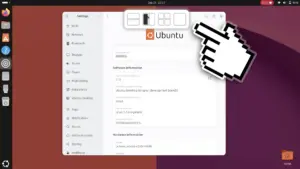
Ubuntu 26.10 Introduces Top-Screen Layout Picker to Streamline Window Tiling
Ubuntu 26.10 is introducing a new way for users to organize their...
 Linux & Open Source Solutions
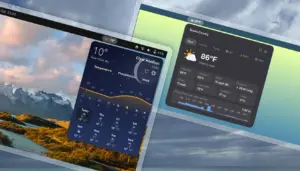
GNOME Shell Weather Extensions Bring Dynamic Visuals to the Desktop Panel
While dedicated desktop applications for checking the weather have long enjoyed a...
 Linux & Open Source Solutions
Ubuntu 26.10 Arrives with Rust Coreutils, Passkey Authentication, and Smarter Window Snapping
Canonical has officially announced the release of Ubuntu 26.10, codenamed "Stonking Stingray."...







