The rise of desktop 3D printing has fundamentally democratized manufacturing, allowing hobbyists and professionals alike to transform digital blueprints into physical realities within hours. From intricate tabletop miniatures to functional household organizers, the versatility of fused deposition modeling (FDM) is nearly boundless. However, as the technology matures, users are increasingly confronting a persistent physical limitation: the inherent lightness of thermoplastic. While modern filaments like PLA, PETG, and ABS are celebrated for their ease of use and durability, they often lack the structural "heft" that consumers associate with high-quality, professional-grade products.
In the world of industrial design, weight is often a proxy for quality. A hollow plastic object, regardless of how well it is printed, can feel flimsy or toy-like. For many makers, the quest to add weight to their creations is not merely about aesthetics; it is a functional necessity. Whether a project requires a stable base for a desktop accessory or a balanced feel for a handheld device, the community has developed a sophisticated array of techniques to bridge the gap between lightweight plastic and the substantial feel of traditionally manufactured goods.
The Functional Necessity of Mass
The primary motivation for increasing the weight of a 3D print is often rooted in basic physics. In many practical applications, a lightweight object is an ineffective one. Consider the common challenge of designing a desktop stand for mobile devices. As smartphones and tablets have grown larger and heavier, the stands supporting them must provide a counter-balance. A standard 3D-printed MagSafe charger mount, for instance, may look sleek, but without sufficient mass, the entire unit is likely to lift off the desk or topple over when the user attempts to detach their phone.
Similarly, organizational tools such as headphone hangers, pen holders, or bathroom caddies benefit significantly from a lower center of gravity. When these items are too light, they shift easily during use, creating a sense of instability that detracts from their utility. By adding weight, a designer can ensure that an object remains "planted" on a surface, providing a premium user experience that mimics the behavior of heavy-duty metal or stone accessories.
Beyond stability, weight plays a crucial role in the ergonomics of peripheral devices. The gaming community and professional designers often have specific preferences for the weight of their input devices. While the current industry trend has leaned toward ultra-lightweight gaming mice to reduce fatigue, many users find that a bit of extra mass allows for more deliberate and precise movements during everyday productivity tasks. This has led to innovative solutions, such as customizable mouse kits that allow users to design their own shells while providing the internal components necessary for a functional wireless device. In these instances, the ability to fine-tune the weight of the final product is a major selling point of the 3D printing process.
The Limits of Infill and Filament Density
The most intuitive way to add weight to a 3D-printed object is to simply increase the infill density within the slicer settings. Most hobbyist prints are produced with an infill of 10% to 20%, which provides a balance between structural integrity and material efficiency. Pushing this density to 100%—creating a solid plastic object—does increase the weight, but it is often an inefficient and expensive solution.
Thermoplastics like PLA have a relatively low density compared to metals or even dense hardwoods. Even a "solid" 3D print will remain significantly lighter than a comparable object made of aluminum or steel. Furthermore, printing at 100% infill dramatically increases the time required for the print and consumes a substantial amount of filament, which can be cost-prohibitive for larger models. There are also technical risks associated with solid prints; the increased amount of material can lead to higher internal stresses as the plastic cools, potentially causing the part to warp or pull away from the print bed.
Because of these limitations, experienced makers have moved away from relying solely on filament for mass. Instead, they have turned to "hybrid" construction methods, where the 3D-printed shell acts as a container for much denser, more cost-effective weighting materials.
Strategic Internal Weighting Techniques
The most effective method for adding significant mass to a print involves designing internal cavities specifically intended to hold weights. This process requires a coordinated effort between the design phase and the printing phase. By creating a hollow chamber within the 3D model, a maker can pause the printing process at a specific layer, insert a heavy object, and then resume the print to "entomb" the weight inside the plastic structure.
The choice of weighting material is often dictated by what is readily available and the size of the cavity. For many, loose change or metal washers provide an easy and inexpensive solution. A stack of coins can provide just enough heft to stabilize a small stand or figurine for a cost of only a few cents. For projects requiring more precision or higher density, specialized materials like wheel weights—commonly used in automotive shops—or lead fishing sinkers are popular choices.
For larger projects or those with complex internal geometries, steel shot is frequently cited as the gold standard for weighting. Because the individual pellets are so small, they can flow into irregular spaces within the infill, maximizing the amount of mass added to the print. However, utilizing steel shot requires a low-density infill pattern (such as gyroid or grid) that allows the pellets to distribute throughout the model. The primary drawback to this method is the requirement to purchase the shot in bulk, which may be overkill for a single small project.
The Role of Liquid Fillers and Structural Reinforcement
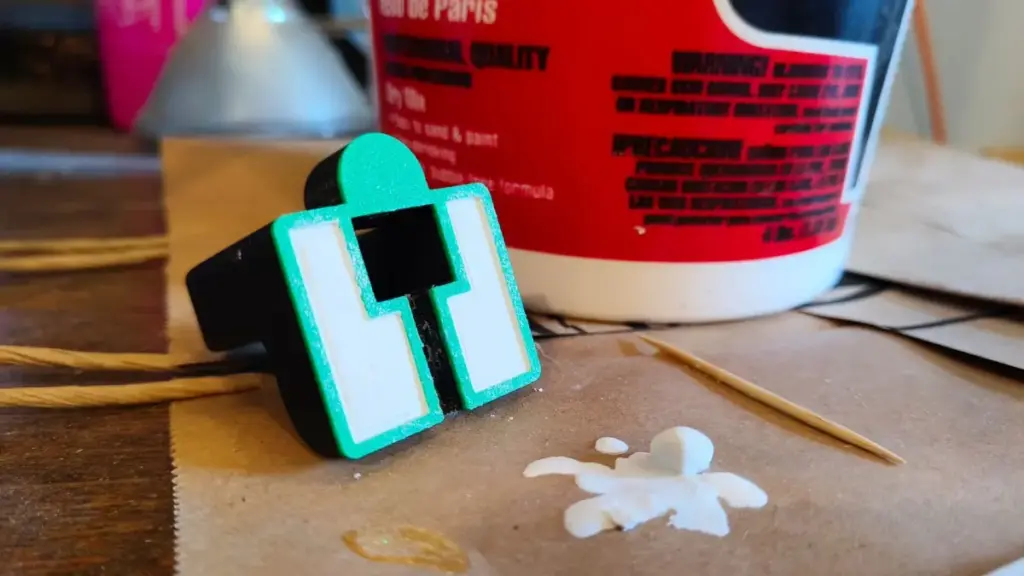
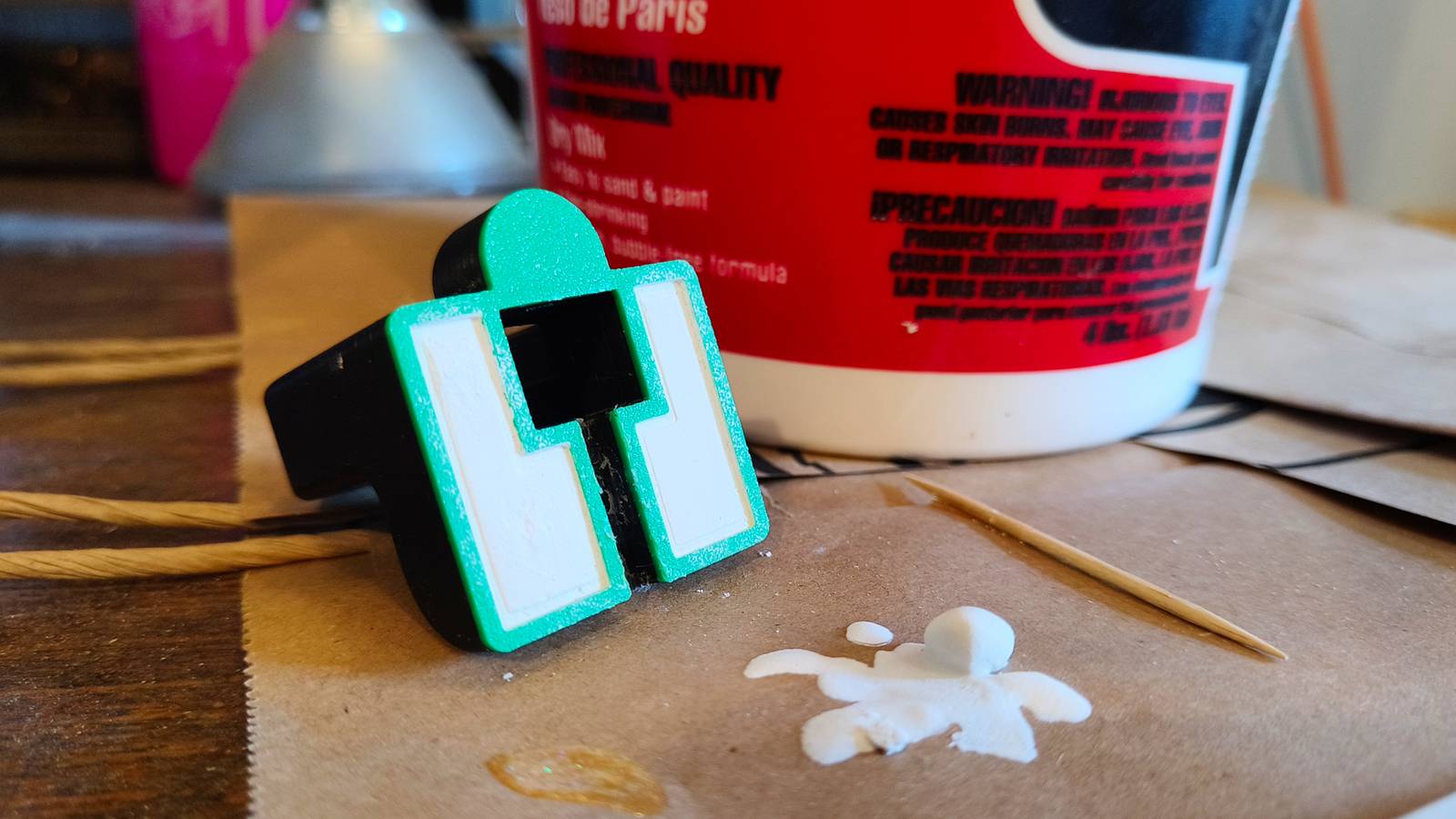
For makers seeking a more permanent and structurally sound solution, liquid fillers like plaster of Paris offer a unique set of advantages. Unlike solid metal weights, which may rattle if not perfectly secured within a cavity, a liquid filler expands slightly as it cures, filling every nook and cranny of the print’s interior. This not only adds significant weight but also reinforces the internal walls, making the object feel solid and "dead" to the touch, similar to a ceramic or stone piece.
Using plaster of Paris does require a certain level of finesse. The mixture must be thin enough to pour easily into the print but thick enough to cure properly without leaking through the layer lines. This method is particularly effective for large, decorative items like vases or statues that do not need to be moved frequently but require a high degree of stability. Once the plaster dries, it transforms the lightweight plastic shell into a composite object with a much more substantial physical presence.

The Hazards of Particulate Contamination
While the community has found many creative ways to add mass, there are certain materials that pose a significant risk to the longevity of the 3D printer itself. Sand is perhaps the most tempting weighting material due to its extreme low cost and high density. However, veteran makers warn against using loose sand or similar particulates—such as glitter—during an active print.
The danger lies in the cooling fans that are essential to the FDM process. These fans create constant airflow around the print head and the model. If a user pauses a print to pour loose sand into a cavity, the fans can easily catch the fine particles and scatter them throughout the printer’s mechanical components. Sand is highly abrasive; if it finds its way into the linear bearings, lead screws, or belt pulleys, it can cause immediate and permanent damage, leading to increased friction, mechanical failure, and poor print quality.
For those determined to use sand, the only safe approach is to design the print with a dedicated entry port that can be filled after the printing process is entirely complete. By leaving a small hole at the top or bottom of the model, a user can use a funnel to add the sand in a controlled environment away from the printer’s delicate machinery. The hole can then be sealed with a custom-printed plug or a dab of adhesive, ensuring the weight remains contained without risking the health of the hardware.
Designing for the Future of Desktop Manufacturing
As 3D printing continues to evolve, the industry is seeing the emergence of specialized "high-density" filaments. These materials are infused with metal powders—such as copper, bronze, or stainless steel—allowing users to print objects that are inherently heavier and can even be polished to a metallic sheen. While these filaments are more expensive and require hardened steel nozzles to combat their abrasive nature, they represent the next step in the quest for "weighted" prints.
For the average hobbyist, however, the clever use of embedded weights and composite fillers remains the most accessible path to quality. The transition from a "plastic toy" to a "professional tool" often comes down to how an object feels in the hand. By mastering the art of adding mass, makers are proving that 3D printing is not just a way to create shapes, but a way to manufacture high-quality, functional products that stand the test of time.
Ultimately, the limitations of plastic have not hindered the 3D printing movement; rather, they have sparked a new wave of ingenuity. By combining the precision of digital fabrication with the physical properties of traditional materials, the maker community is redefining what is possible in a home workshop, one heavy-duty print at a time.
 Tech Tutorials & How-To Guides
Google Transitions Beyond Chromebooks: A Deep Look at the New Googlebook OS and Its Enhanced Local File Management
The landscape of portable computing has undergone a seismic shift with the...
 Tech Tutorials & How-To Guides
Beyond the Slicer: Why MeshLab Remains the Essential Tool for Repairing Corrupt 3D Models
The world of 3D printing has evolved from a niche hobby for...
 Tech Tutorials & How-To Guides
The Hidden Bottleneck: Why Standard Speed Tests Often Fail to Detect Faulty Network Hardware
In the modern digital household, few things are as frustrating as a...