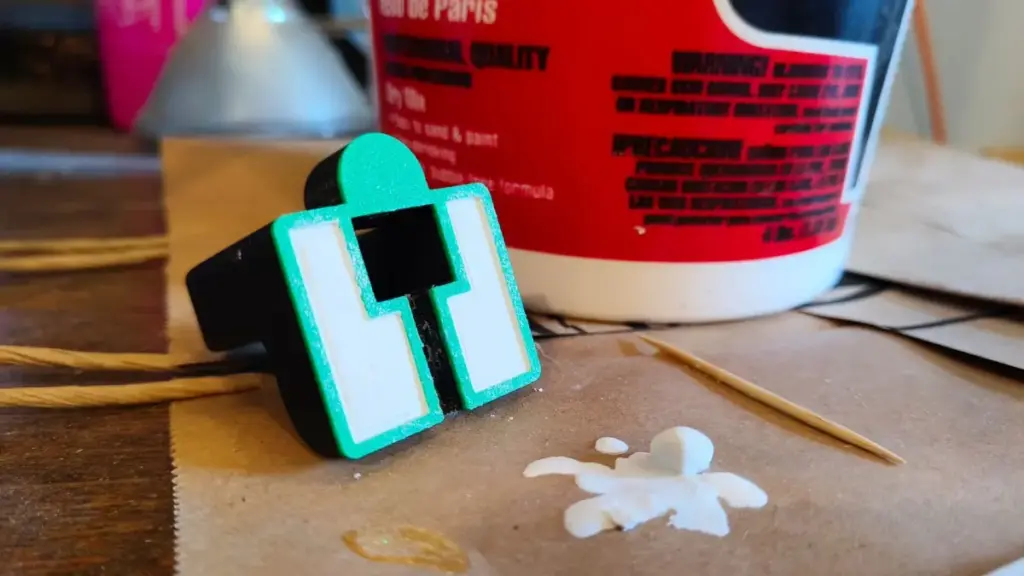
Because of these limitations, experienced makers have moved away from relying solely on filament for mass. Instead, they have turned to "hybrid" construction methods, where the 3D-printed shell acts as a container for much denser, more cost-effective weighting materials.
Strategic Internal Weighting Techniques
The most effective method for adding significant mass to a print involves designing internal cavities specifically intended to hold weights. This process requires a coordinated effort between the design phase and the printing phase. By creating a hollow chamber within the 3D model, a maker can pause the printing process at a specific layer, insert a heavy object, and then resume the print to "entomb" the weight inside the plastic structure.
The choice of weighting material is often dictated by what is readily available and the size of the cavity. For many, loose change or metal washers provide an easy and inexpensive solution. A stack of coins can provide just enough heft to stabilize a small stand or figurine for a cost of only a few cents. For projects requiring more precision or higher density, specialized materials like wheel weights—commonly used in automotive shops—or lead fishing sinkers are popular choices.
For larger projects or those with complex internal geometries, steel shot is frequently cited as the gold standard for weighting. Because the individual pellets are so small, they can flow into irregular spaces within the infill, maximizing the amount of mass added to the print. However, utilizing steel shot requires a low-density infill pattern (such as gyroid or grid) that allows the pellets to distribute throughout the model. The primary drawback to this method is the requirement to purchase the shot in bulk, which may be overkill for a single small project.
The Role of Liquid Fillers and Structural Reinforcement
For makers seeking a more permanent and structurally sound solution, liquid fillers like plaster of Paris offer a unique set of advantages. Unlike solid metal weights, which may rattle if not perfectly secured within a cavity, a liquid filler expands slightly as it cures, filling every nook and cranny of the print’s interior. This not only adds significant weight but also reinforces the internal walls, making the object feel solid and "dead" to the touch, similar to a ceramic or stone piece.
Using plaster of Paris does require a certain level of finesse. The mixture must be thin enough to pour easily into the print but thick enough to cure properly without leaking through the layer lines. This method is particularly effective for large, decorative items like vases or statues that do not need to be moved frequently but require a high degree of stability. Once the plaster dries, it transforms the lightweight plastic shell into a composite object with a much more substantial physical presence.
 Tech Tutorials & How-To Guides
Beyond the Cloud: Why a Shift to Offline Password Management Is Becoming a Necessity for the Security-Conscious
In the modern digital landscape, the password manager has transitioned from a...
 Tech Tutorials & How-To Guides
The Best Netflix Miniseries to Binge on a Sick Day: A Curated Guide to Recovery Viewing
There is a specific, universal rhythm to the onset of a seasonal...
 Tech Tutorials & How-To Guides
Amazon Retires Fire Tablet Brand in Favor of New Alexa Tablet Line with Google Play Support
In a sweeping transformation of its mobile hardware strategy, Amazon has announced...