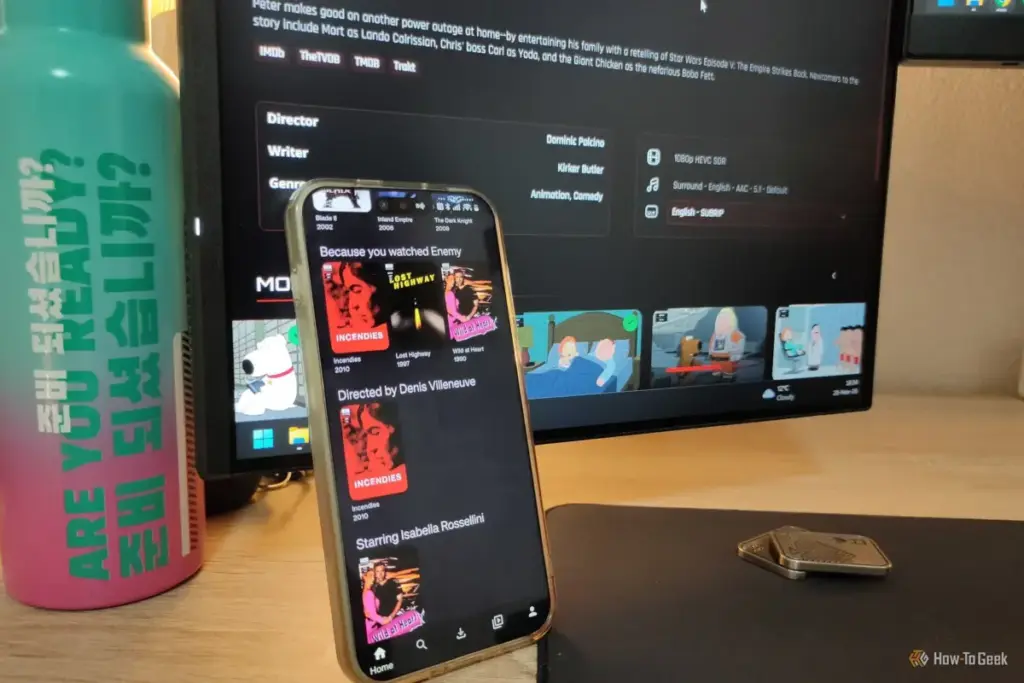
The promise of the early streaming era was one of unprecedented convenience and infinite choice. For a single monthly fee, consumers were told they could access a vast library of cinematic history and television culture from any device, anywhere in the world. However, as the industry has matured into a fragmented landscape of competing platforms, rising subscription costs, and disappearing content, that promise has begun to feel increasingly hollow. In response, a growing number of tech-savvy viewers are turning away from the giants like Netflix, Disney+, and Max, opting instead to build their own private streaming services.
By leveraging open-source software and personal hardware, these individuals are reclaiming a sense of digital ownership that has been largely eroded by the "platformization" of media. For many, the transition is born out of a specific frustration: the realization that paying for access is not the same as owning the content. When a show can vanish overnight due to a licensing dispute or a corporate tax write-off, the value proposition of a traditional streaming subscription begins to crumble.
The Fragility of the Modern Streaming Catalog
The most significant driver behind the shift toward self-hosting is the inherent instability of digital libraries. Whether it is Netflix, Disney+, or HBO Max, no platform is immune to the sudden removal of content. These services typically operate on a licensing model; they pay for the right to host a show for a specific window of time. When those agreements expire, the platform must decide if the cost of renewal is justified by the show’s current viewership metrics. If the numbers don’t add up, the show simply disappears.
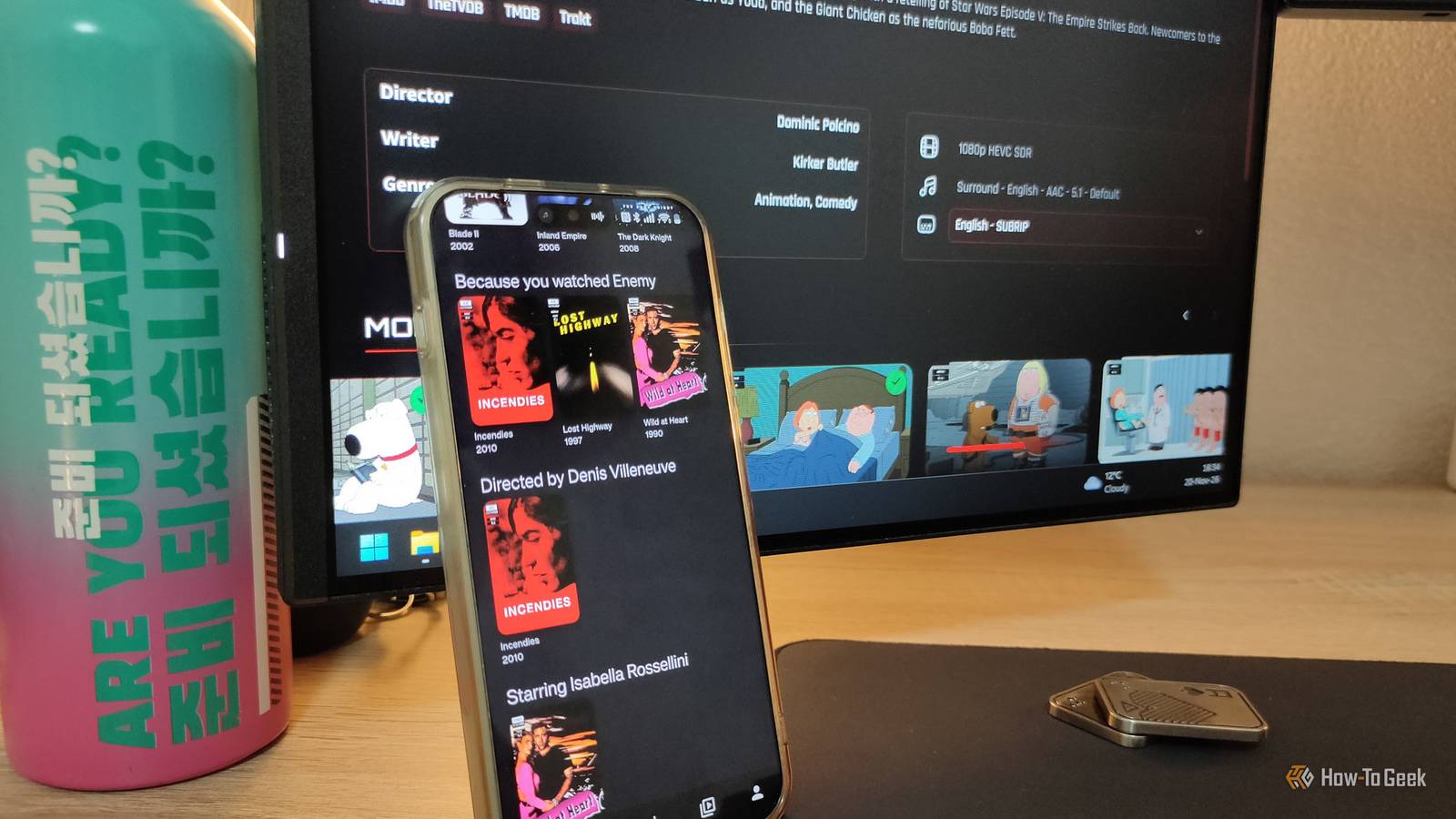
In other instances, the removal of content is a strategic move by parent companies. A prominent example of this occurred when Marvel series such as Jessica Jones and Daredevil—which were originally produced for and marketed as Netflix originals—were pulled from the platform. Once the licensing deals concluded, Disney reclaimed the rights to consolidate the Marvel brand on its own service, Disney+. While this makes sense from a corporate synergy perspective, it creates a jarring experience for the consumer, who may find themselves halfway through a multi-season narrative only to be told they must subscribe to a entirely different service to see how it ends.
Even more frustrating is the practice of "geoblocking," where content availability is dictated by the user’s physical location. This is often the result of complex international distribution deals. For example, while Netflix hosts the prestigious Studio Ghibli catalog in many regions across the globe, it remains conspicuously absent for subscribers in the United States and Japan due to pre-existing domestic rights agreements. For a viewer who built a watchlist based on these titles, the sudden realization that their access is restricted by a digital border is a reminder of the limitations of the current streaming model.
By running a personal server using software like Jellyfin, users are able to bypass these regional and contractual hurdles entirely. Once a movie or television show is stored on a personal hard drive, it becomes a permanent fixture of the library. It cannot be deleted by a studio executive, it cannot be hidden behind a geographic filter, and it remains accessible regardless of whether a platform decides a show was "popular enough" to keep on its servers.
Solving the Problem of Platform Fragmentation
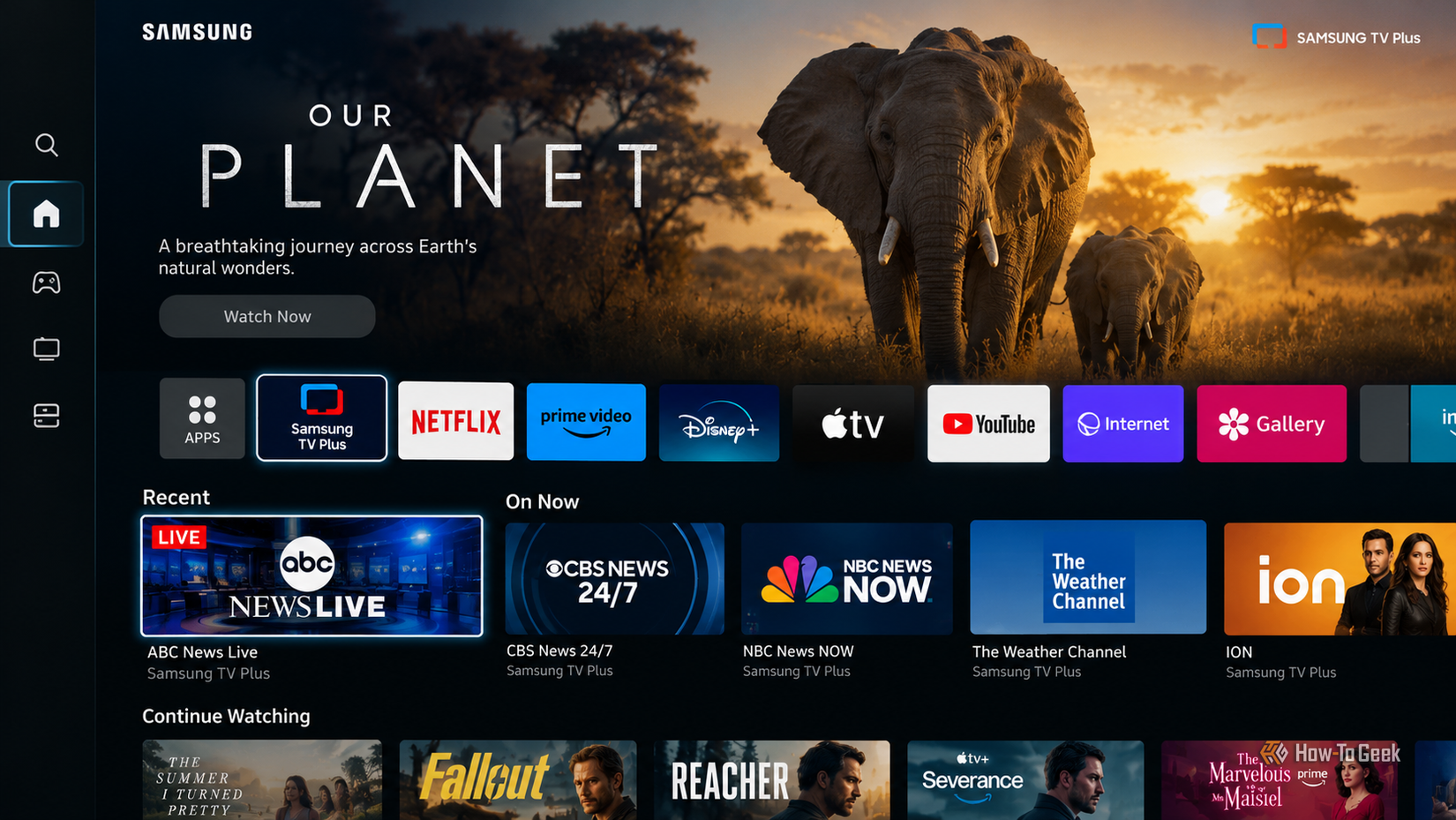
Beyond the volatility of content, the modern viewer faces the logistical headache of platform fragmentation. The "Golden Age" of streaming has resulted in a market so divided that a single household might require five or six different subscriptions to cover all their interests. This leads to a phenomenon often described as "app-hopping," where a user must remember which service hosts which show, navigating through half a dozen different user interfaces just to find something to watch.

While some tools, such as Plex, attempt to mitigate this by creating a unified landing page that displays content from various services, they are often limited by the walled gardens of the platforms themselves. In many cases, clicking a title in a unified interface simply redirects the user to the native app of the service that owns the content. The fragmentation remains; it is merely masked by a different home screen.
Self-hosting via Jellyfin offers a more holistic solution. Because the software manages a local library, it brings every movie, documentary, and series into a single, consistent interface. There is no need to switch between the Disney+ layout and the Netflix layout, nor is there a need to keep track of which subscription is currently active. The entire collection is presented through one unified portal that the user controls. This streamlined approach restores the simplicity that streaming originally promised but failed to maintain as the market became oversaturated.
The Role of Automation in Media Management
One of the primary barriers to entry for self-hosting has historically been the "busywork" associated with maintaining a digital library. Manually ripping physical media, renaming files, and searching for cover art can be a full-time job. However, the ecosystem of open-source tools surrounding media servers has evolved to automate the most tedious aspects of the process.
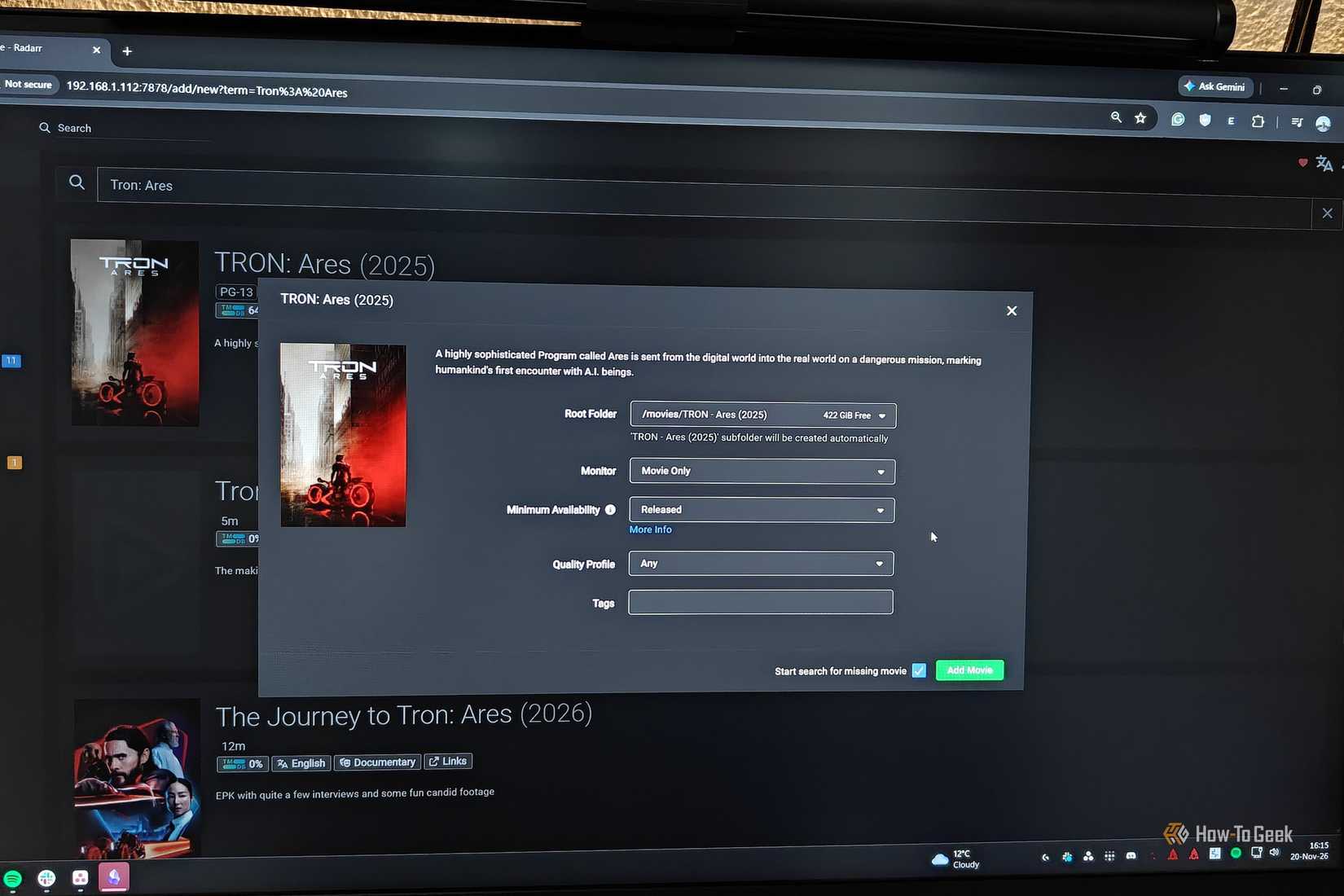
Applications such as Radarr and Sonarr have become essential for the modern self-hoster. Radarr, which focuses on movies, and Sonarr, which handles television series, act as sophisticated managers for a digital collection. When a new video file is added to a server—perhaps a digital backup of a Blu-ray—it often arrives with a cryptic, machine-readable filename. These tools can automatically identify the content, rename it according to a standardized format, and organize it into a logical folder structure (e.g., Series Name > Season > Episode).
Once the files are organized, Jellyfin takes over the visual presentation, fetching high-resolution metadata, posters, and cast information from online databases. This results in a library that looks and feels every bit as professional as a commercial streaming service, without the manual labor typically required to achieve that polish.
Furthermore, tools like Bazarr address the critical need for accessibility by managing subtitles. For many viewers, subtitles are not an optional feature but a necessity, whether for clarity, language learning, or watching at low volumes. While commercial services sometimes have inconsistent subtitle quality or availability, Bazarr allows users to choose multiple providers and set specific language preferences, ensuring that every piece of media in the library is properly equipped with accurate dialogue tracks.
The Power of Customization and User Autonomy
Perhaps the most overlooked benefit of self-hosting is the ability to opt out of the constant, often unwanted, changes imposed by major tech companies. Commercial streaming apps are frequently subject to redesigns that prioritize "engagement" or "discovery" over user intuition. These updates often move familiar buttons, introduce auto-playing trailers, or integrate intrusive advertising tiers that disrupt the viewing experience.
Because a Jellyfin server is private property, the user is the sole arbiter of when and how the software is updated. There are no forced interface changes and, perhaps most importantly, there are no advertisements. The user can even go a step further by utilizing custom plugins and themes to tailor the experience to their specific tastes.
The community around Jellyfin has produced a variety of "skins" that allow the interface to mimic the look of popular platforms. A user who prefers the aesthetic of Netflix, for instance, can apply a theme like NetFin to achieve a familiar look while retaining the benefits of a private server. Others might use dedicated third-party clients like Jellyflix to access their media. Beyond aesthetics, plugins can add functional depth, such as integrating IMDb or Rotten Tomatoes ratings directly into the title descriptions—a feature that many commercial platforms avoid to prevent users from seeing low scores on their "original" content.
A Long-Term Investment in Media Literacy
It is important to acknowledge that building a personal streaming service is not a total replacement for the existing ecosystem. Sourcing content remains the responsibility of the individual, and there is a learning curve involved in setting up and maintaining the hardware. Many "streaming exclusives" never receive a physical or DRM-free release, meaning that even the most dedicated self-hosters may still find themselves subscribing to a service temporarily to catch the latest cultural phenomenon.
However, for the vast majority of media—the classics, the comfort shows, and the personal favorites—the self-hosted model offers a level of stability and quality that the current subscription market cannot match. It represents a shift from a "rental" mindset to one of stewardship. In an age where digital rights are increasingly ephemeral, taking control of one’s own library is more than just a technical hobby; it is a way to ensure that the stories we value remain available to us on our own terms, long after the licensing deals have expired and the platforms have moved on to the next trend.
 Tech Tutorials & How-To Guides
Reclaiming the Silicon: How Raspberry Pi Offers a Sophisticated Escape from the Modern Smart Device Trap
In the corners of many modern households, there exists a quiet graveyard...
 Tech Tutorials & How-To Guides
Weekend Maker Project: Exploring the Potential and Limits of DIY Tracking with the ESP32-C3
In the rapidly evolving landscape of the "maker" movement, the accessibility of...
 Tech Tutorials & How-To Guides
The Great Big-Box Battle: Evaluating the Power Tool Ecosystems of Ryobi, Craftsman, and Hyper Tough
For the modern homeowner or the burgeoning DIY enthusiast, the walk down...