
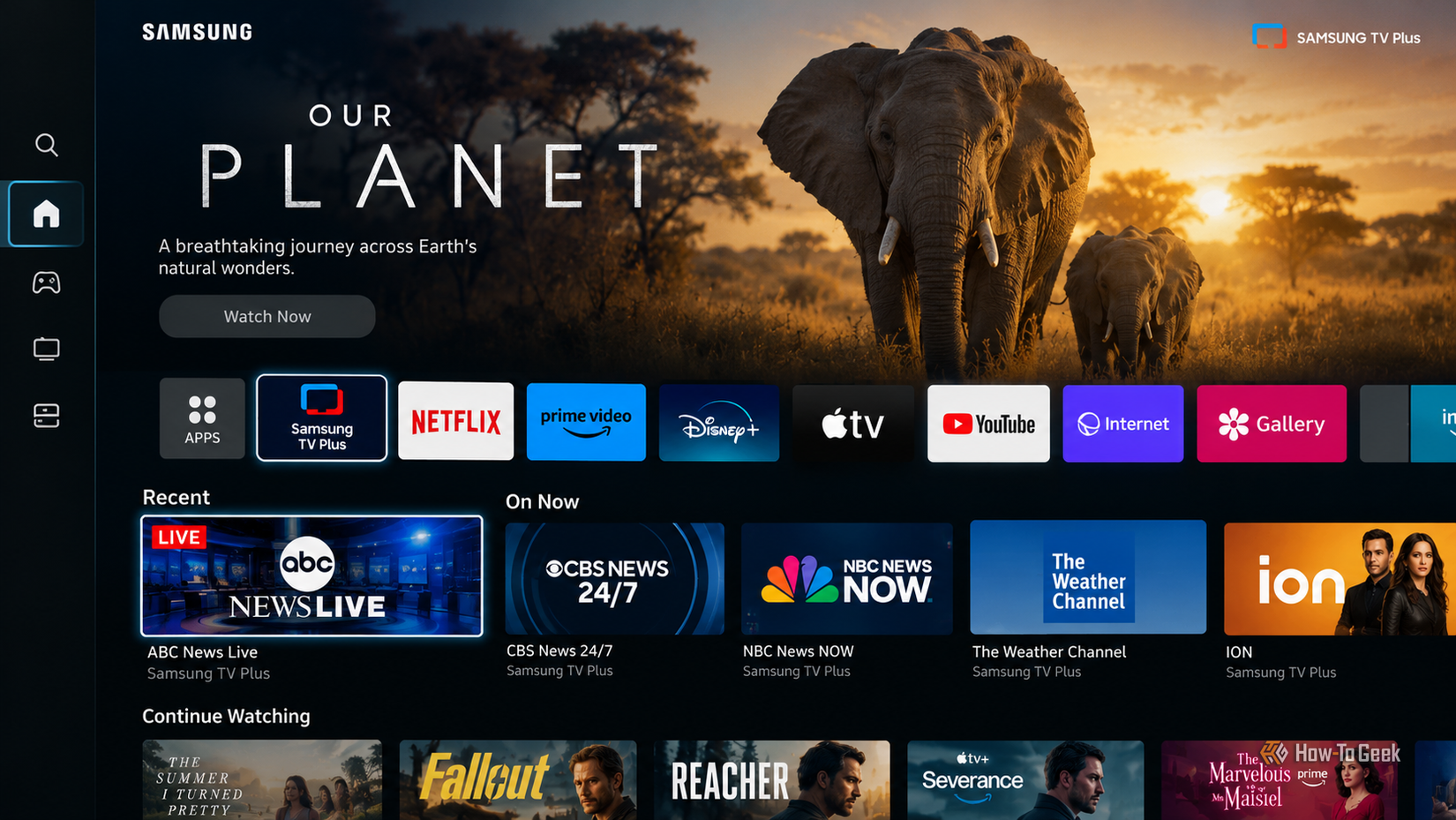
Beyond the volatility of content, the modern viewer faces the logistical headache of platform fragmentation. The "Golden Age" of streaming has resulted in a market so divided that a single household might require five or six different subscriptions to cover all their interests. This leads to a phenomenon often described as "app-hopping," where a user must remember which service hosts which show, navigating through half a dozen different user interfaces just to find something to watch.

While some tools, such as Plex, attempt to mitigate this by creating a unified landing page that displays content from various services, they are often limited by the walled gardens of the platforms themselves. In many cases, clicking a title in a unified interface simply redirects the user to the native app of the service that owns the content. The fragmentation remains; it is merely masked by a different home screen.
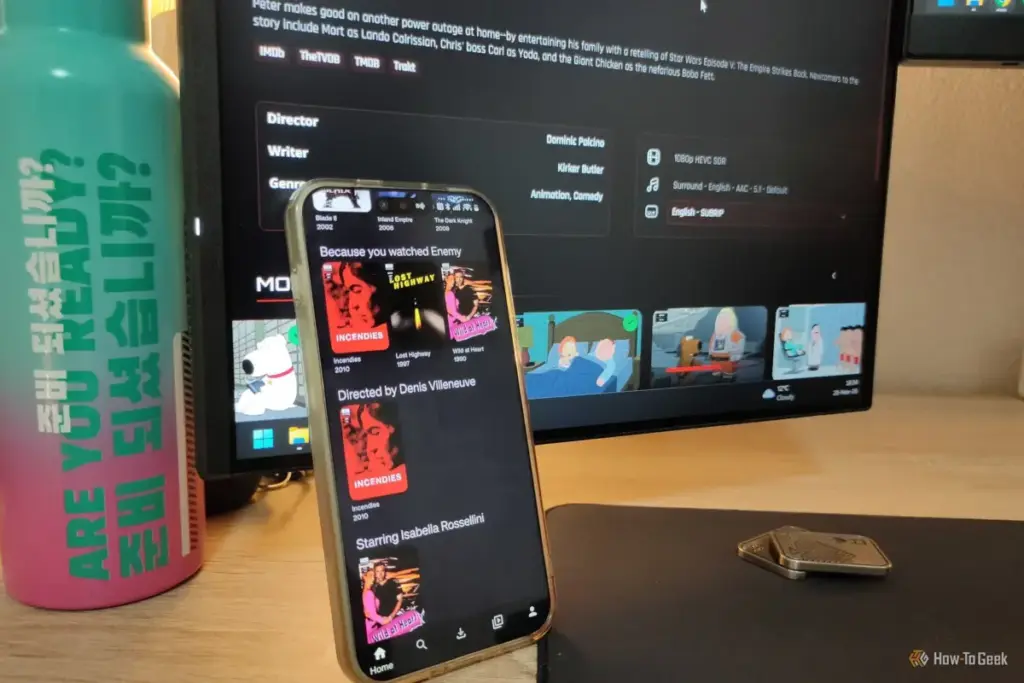
Self-hosting via Jellyfin offers a more holistic solution. Because the software manages a local library, it brings every movie, documentary, and series into a single, consistent interface. There is no need to switch between the Disney+ layout and the Netflix layout, nor is there a need to keep track of which subscription is currently active. The entire collection is presented through one unified portal that the user controls. This streamlined approach restores the simplicity that streaming originally promised but failed to maintain as the market became oversaturated.
The Role of Automation in Media Management
One of the primary barriers to entry for self-hosting has historically been the "busywork" associated with maintaining a digital library. Manually ripping physical media, renaming files, and searching for cover art can be a full-time job. However, the ecosystem of open-source tools surrounding media servers has evolved to automate the most tedious aspects of the process.
Applications such as Radarr and Sonarr have become essential for the modern self-hoster. Radarr, which focuses on movies, and Sonarr, which handles television series, act as sophisticated managers for a digital collection. When a new video file is added to a server—perhaps a digital backup of a Blu-ray—it often arrives with a cryptic, machine-readable filename. These tools can automatically identify the content, rename it according to a standardized format, and organize it into a logical folder structure (e.g., Series Name > Season > Episode).
Once the files are organized, Jellyfin takes over the visual presentation, fetching high-resolution metadata, posters, and cast information from online databases. This results in a library that looks and feels every bit as professional as a commercial streaming service, without the manual labor typically required to achieve that polish.
Furthermore, tools like Bazarr address the critical need for accessibility by managing subtitles. For many viewers, subtitles are not an optional feature but a necessity, whether for clarity, language learning, or watching at low volumes. While commercial services sometimes have inconsistent subtitle quality or availability, Bazarr allows users to choose multiple providers and set specific language preferences, ensuring that every piece of media in the library is properly equipped with accurate dialogue tracks.
 Tech Tutorials & How-To Guides
The Limits of DNS Privacy: Why Changing Your Resolver Is Not a Total Cloaking Device
In the modern era of digital surveillance and data harvesting, internet users...
 Tech Tutorials & How-To Guides
Bridging the Security Gap: Replicating the YubiKey Experience with a $6 ESP32 Microcontroller
In an era where digital identity is under constant siege from sophisticated...
 Tech Tutorials & How-To Guides
Navigating the Modern Desktop: Why the ‘This PC’ Icon Remains a Staple for Windows Users
For nearly three decades, the "My Computer" icon served as the digital...







