
In an era where global connectivity is often taken for granted, the fragility of traditional communication infrastructure remains a persistent concern. From the remote wilderness where cellular signals vanish to urban centers facing grid failures during natural disasters, the dependence on centralized internet service providers and mobile carriers represents a significant point of failure. However, a growing community of tech enthusiasts and emergency preparedness advocates is turning toward an alternative: LoRa technology and the Meshtastic protocol. These tools allow for the creation of decentralized, peer-to-peer messaging networks that operate entirely independently of the internet or cellular reception.
At the heart of this movement is LoRa, a term derived from "Long Range." LoRa is not a messaging app or a specific device, but rather a physical-layer radio modulation technique. It is designed to facilitate long-range communication with extremely low power consumption. While most modern wireless technologies, such as Wi-Fi or 5G, prioritize high data transfer speeds at the expense of range and battery life, LoRa takes the opposite approach. It transmits small packets of data over vast distances, making it the ideal foundation for off-grid text communication.
To make LoRa functional for everyday users, software protocols are required to manage how data is sent, received, and routed. This is where Meshtastic comes into play. Meshtastic is an open-source, mesh-based protocol built on top of the LoRa physical layer. In a standard point-to-point radio setup, two devices must be within range of each other to communicate. In a mesh network, however, every device—or "node"—acts as a repeater. If a user sends a message to someone out of their immediate range, the message can "hop" through intermediate nodes until it reaches its intended destination.
The architecture of Meshtastic is designed for maximum resilience. Each jump between nodes is referred to as a "hop." While the protocol technically supports a maximum of seven hops, most users configure their networks for a more modest three to five hops to balance efficiency and reliability. This community-driven approach means that as more people in a specific area adopt the technology, the network becomes stronger, wider, and more reliable, creating a localized web of connectivity that requires no monthly fees and no corporate oversight.
The Realities of Range and Performance
When discussing LoRa and Meshtastic, the conversation often turns to the impressive theoretical distances the technology can achieve. Under absolute ideal conditions—typically involving high-altitude balloon tests or line-of-sight transmissions between mountain peaks—Meshtastic has recorded successful transmissions over distances as great as 205 miles (331 kilometers). While these figures demonstrate the potential of the underlying physics, they do not reflect the typical user experience.
In a practical, real-world environment, signal propagation is hindered by what engineers call "topology"—the physical layout of the land, including hills, valleys, and man-made structures. Dense forests, concrete buildings, and urban interference can significantly degrade a LoRa signal. For most users, a realistic range for a ground-level node sits between one and seven miles (approximately 1.5 to 11 kilometers). While this may seem modest compared to the reach of the internet, it is more than sufficient for localized group coordination, neighborhood watch programs, or maintaining contact during a hiking expedition.
It is also important for prospective users to understand the bandwidth limitations of the platform. LoRa is a "low-bitrate" technology. It is perfectly suited for sending short text messages, GPS coordinates, and simple telemetry data. It is not, however, capable of handling the high-bandwidth requirements of modern digital life. Users cannot send photographs, stream video, or conduct voice calls over a Meshtastic network. It is a tool for essential communication, designed to function when the "luxury" of high-speed data is unavailable.

One of the most significant advantages of this technology is its accessibility. LoRa operates on open, license-free radio frequencies, such as the 915 MHz band in the United States or the 868 MHz band in Europe. This means that anyone can purchase or build a LoRa-compatible device and begin transmitting without the need for a technician’s license or government registration.
Navigating the Hardware Landscape
For those interested in joining the mesh, the barrier to entry is remarkably low, with hardware options ranging from affordable DIY components to polished, consumer-ready devices. The Meshtastic project maintains an extensive list of officially supported hardware, ensuring that users can find a device that fits their technical skill level and budget.
The majority of LoRa radios used for Meshtastic are powered by one of two types of microcontrollers: the ESP32 or the nRF52 series. The ESP32 is a versatile chip that includes built-in Wi-Fi and Bluetooth, making it easy to pair with a smartphone. This allows users to send messages through a familiar app interface while the LoRa radio handles the long-distance transmission in the background. However, the ESP32 is relatively power-hungry.
In contrast, the nRF52 chips are favored for their extreme power efficiency. While they typically lack Wi-Fi, they are capable of running for days or even weeks on a small battery, making them the preferred choice for permanent "repeater" nodes placed on rooftops or in remote locations. Many of these devices also integrate GPS modules, allowing the network to provide real-time location tracking for all connected nodes—a feature that is invaluable for search-and-rescue operations or group travel in the backcountry.
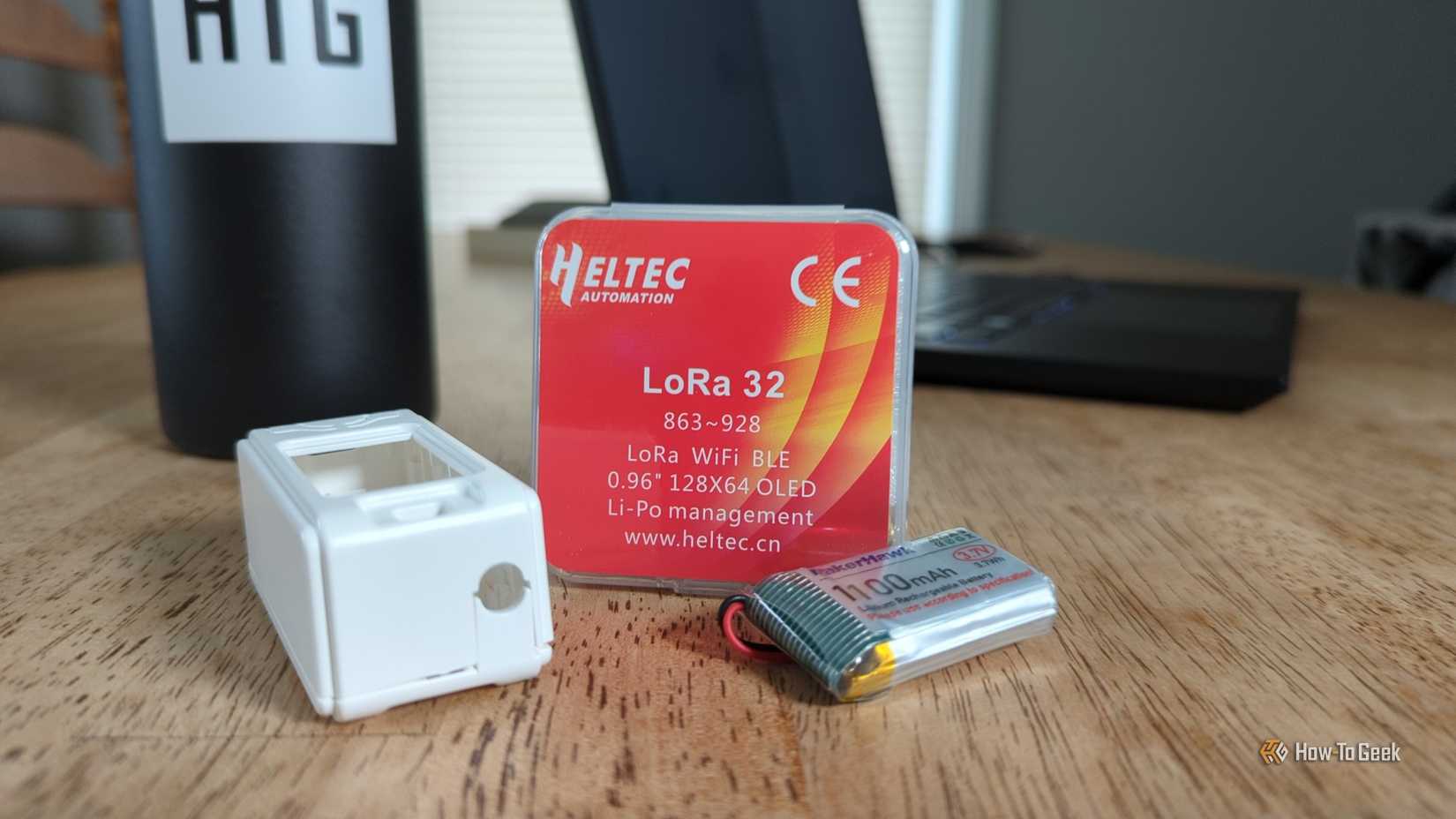
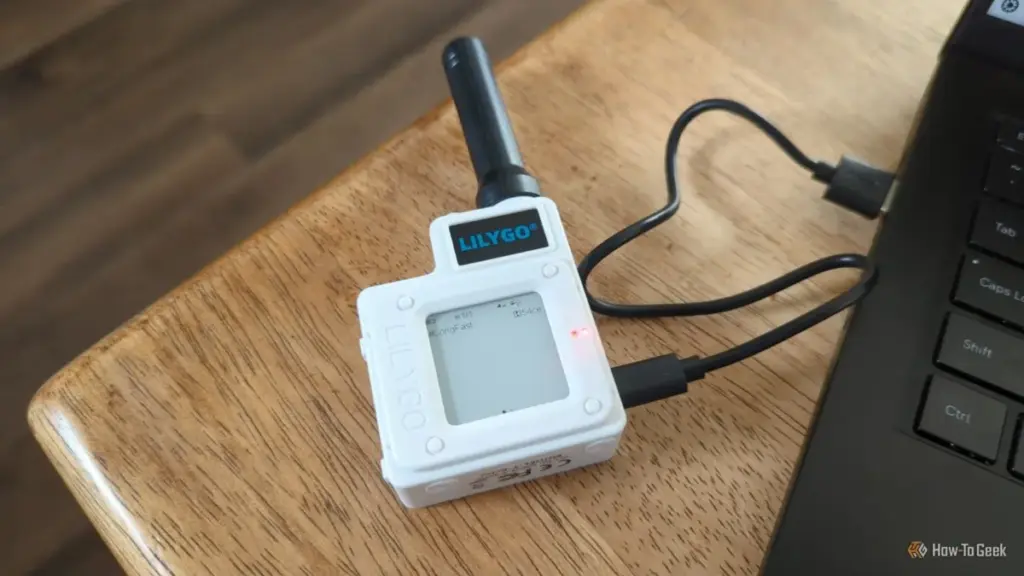
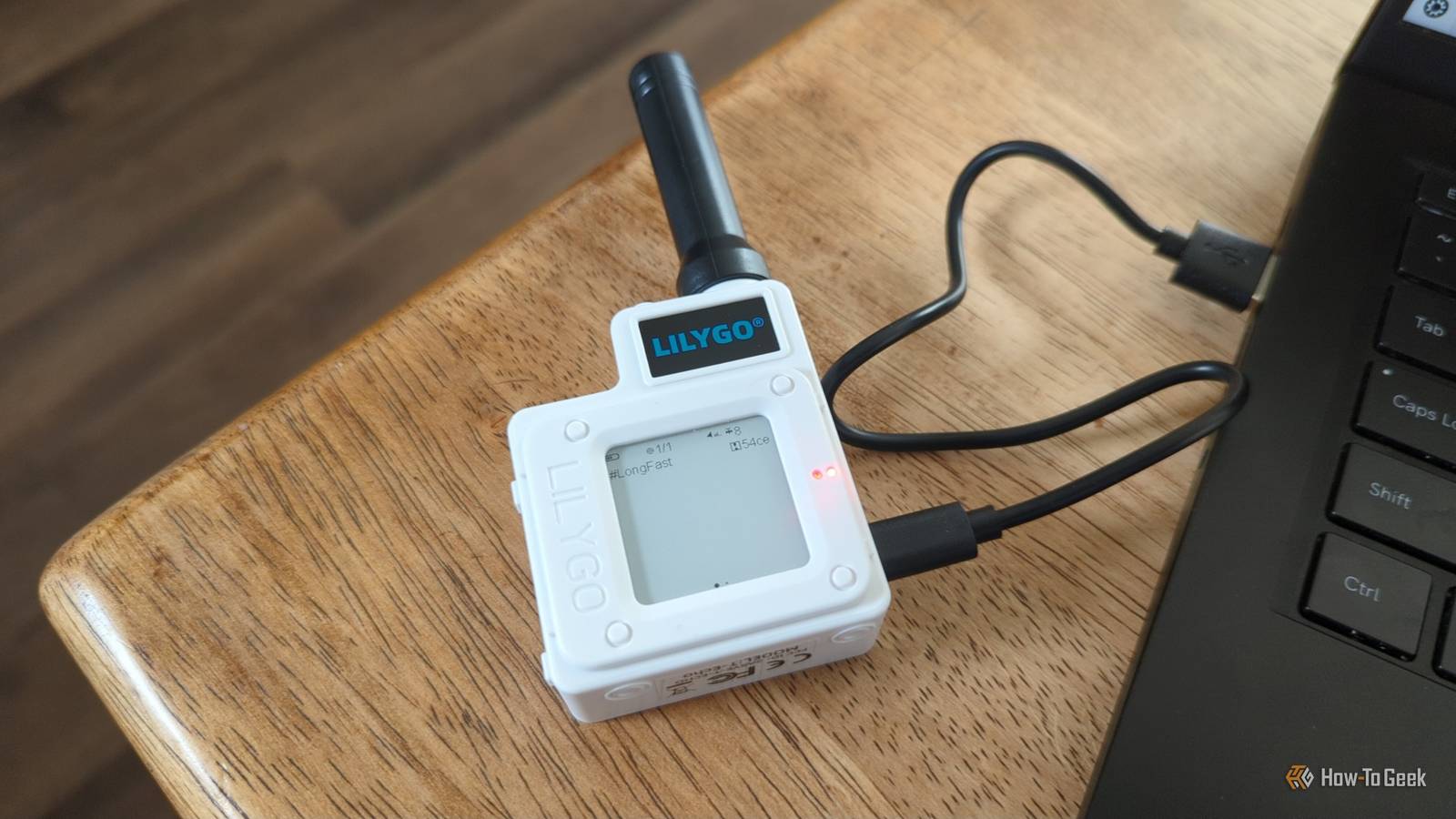
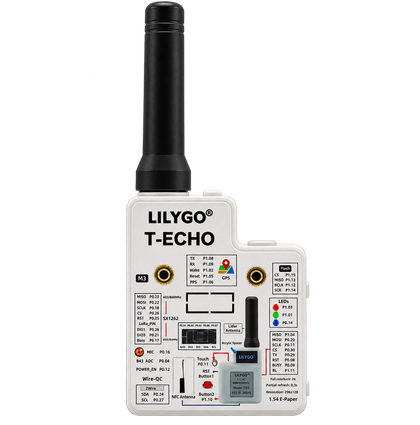
For the budget-conscious or the hobbyist, the Heltec V3 is a popular starting point. Retailing for approximately $20, this compact board provides the core components needed to get online. It requires some assembly, such as sourcing a battery and potentially 3D printing a protective case, but it offers a highly customizable experience. For those who prefer a "plug-and-play" solution, devices like the Lilygo T-Echo offer a more complete package. Priced at just under $50, the T-Echo includes an integrated e-paper display, a built-in battery, a GPS module, and a ruggedized case. It is designed to work straight out of the box, bridging the gap between experimental hardware and consumer electronics.
Comparing Meshtastic and MeshCore
While Meshtastic is currently the most prominent name in the LoRa mesh world, it is not the only option. An alternative protocol known as MeshCore is also gaining traction, particularly among those who want to take a more structured approach to network building.
The two protocols differ primarily in their philosophy and complexity. Meshtastic is widely regarded as the more user-friendly option, designed for quick deployment and ease of use. It is highly effective for small groups and community-level networks. Users can consult the "MeshMap," an online visualization tool that shows the locations of active public nodes, to determine if there is an existing network in their area they can join.
MeshCore, on the other hand, is optimized for larger, more complex communication potentials. It utilizes a three-tier system of devices to manage traffic more efficiently across a higher number of hops. While this allows for potentially broader coverage, it requires a more involved setup process and a deeper understanding of network topography. For the average user looking for emergency backup or off-grid texting, Meshtastic remains the standard recommendation. However, for those looking to build a robust, city-wide infrastructure, MeshCore offers a compelling alternative.
The growth of these networks is often spurred by external events. During major environmental crises, such as wildfires in the American West or severe storms in the Southeast, traditional cellular towers are often overwhelmed or physically damaged. In these scenarios, the value of a LoRa mesh becomes clear. When the "bars" on a smartphone disappear, a Meshtastic node can still relay critical information, coordinate help, and provide a lifeline to the outside world.
A Future Built on Decentralization
One of the most promising aspects of the LoRa ecosystem is the interoperability of the hardware. Because these devices are based on open standards and microcontrollers like the ESP32, they are not locked into a single ecosystem. A user who starts with Meshtastic can easily "flash" their device with MeshCore firmware or even custom code if their needs change. This flexibility prevents the hardware from becoming obsolete and encourages a culture of experimentation.
The community surrounding these protocols is also exploring creative ways to integrate LoRa into other projects. Some enthusiasts are building "cyberdecks"—portable, ruggedized computers designed for field use—that feature integrated LoRa modules for persistent messaging. Others are setting up solar-powered repeater nodes on mountain ridges to provide "community clouds" of connectivity over vast rural areas.
Ultimately, the rise of LoRa and mesh networking represents a shift in how we think about digital communication. It moves away from the model of a passive consumer reliant on a massive, centralized provider and toward a model of an active participant who owns and maintains their own slice of the network. Whether used for weekend camping trips, emergency preparedness, or simply as a hobby to explore the limits of radio technology, LoRa and Meshtastic are proving that even in a world dominated by the internet, there is still a vital place for the independent airwaves.
 Tech Tutorials & How-To Guides
Beyond PowerToys: How Open-Source Community Tools are Redefining Windows 11 Customization
For decades, the Windows operating system has served as a canvas for...
 Tech Tutorials & How-To Guides
The Case for a Dedicated YouTube Audio Experience on Apple CarPlay and Android Auto
In the rapidly evolving landscape of automotive technology, Apple CarPlay and Android...
 Tech Tutorials & How-To Guides
Bridging the Security Gap: Replicating the YubiKey Experience with a $6 ESP32 Microcontroller
In an era where digital identity is under constant siege from sophisticated...







