
One of the most significant advantages of this technology is its accessibility. LoRa operates on open, license-free radio frequencies, such as the 915 MHz band in the United States or the 868 MHz band in Europe. This means that anyone can purchase or build a LoRa-compatible device and begin transmitting without the need for a technician’s license or government registration.
Navigating the Hardware Landscape
For those interested in joining the mesh, the barrier to entry is remarkably low, with hardware options ranging from affordable DIY components to polished, consumer-ready devices. The Meshtastic project maintains an extensive list of officially supported hardware, ensuring that users can find a device that fits their technical skill level and budget.
The majority of LoRa radios used for Meshtastic are powered by one of two types of microcontrollers: the ESP32 or the nRF52 series. The ESP32 is a versatile chip that includes built-in Wi-Fi and Bluetooth, making it easy to pair with a smartphone. This allows users to send messages through a familiar app interface while the LoRa radio handles the long-distance transmission in the background. However, the ESP32 is relatively power-hungry.
In contrast, the nRF52 chips are favored for their extreme power efficiency. While they typically lack Wi-Fi, they are capable of running for days or even weeks on a small battery, making them the preferred choice for permanent "repeater" nodes placed on rooftops or in remote locations. Many of these devices also integrate GPS modules, allowing the network to provide real-time location tracking for all connected nodes—a feature that is invaluable for search-and-rescue operations or group travel in the backcountry.
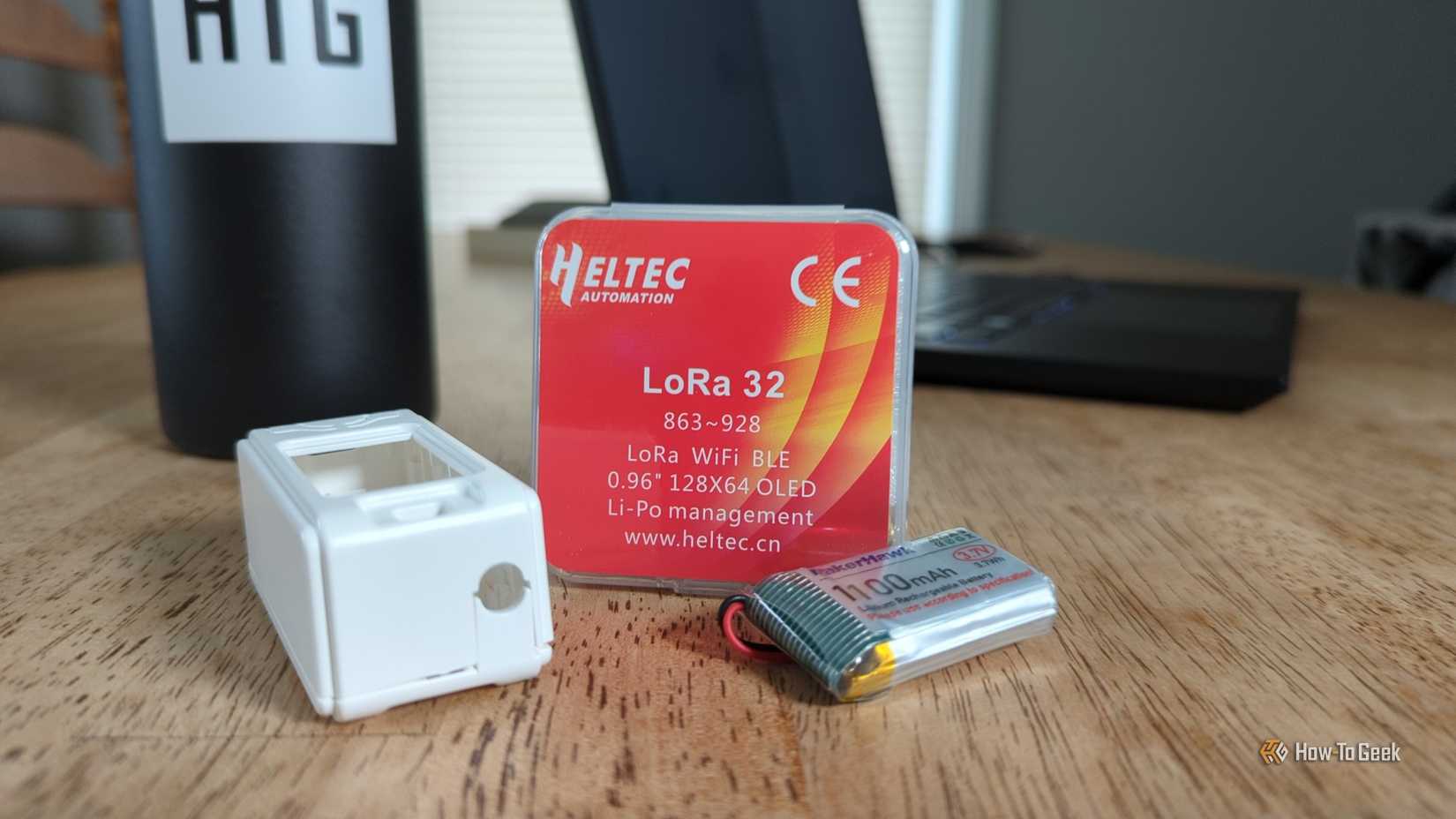
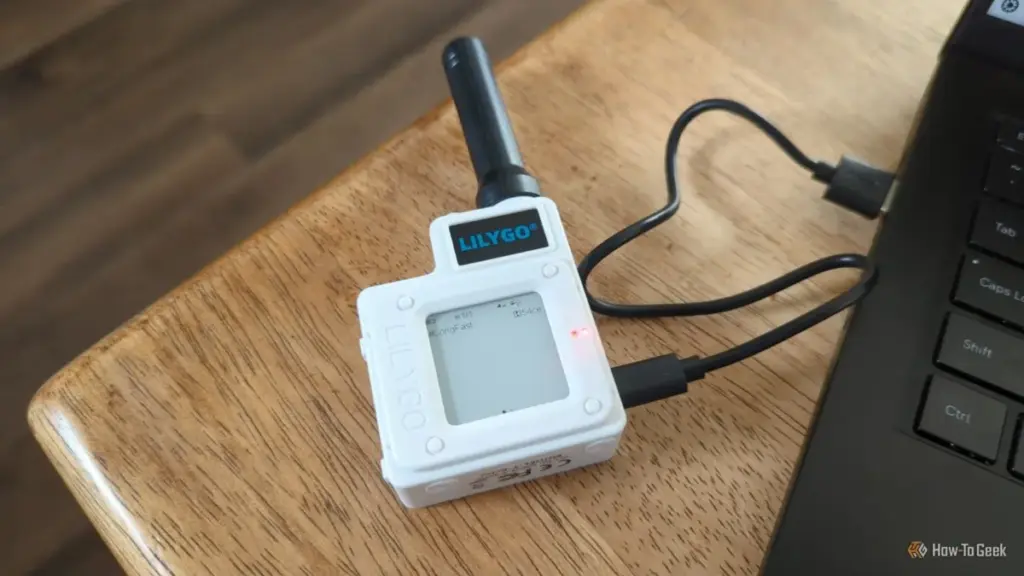
For the budget-conscious or the hobbyist, the Heltec V3 is a popular starting point. Retailing for approximately $20, this compact board provides the core components needed to get online. It requires some assembly, such as sourcing a battery and potentially 3D printing a protective case, but it offers a highly customizable experience. For those who prefer a "plug-and-play" solution, devices like the Lilygo T-Echo offer a more complete package. Priced at just under $50, the T-Echo includes an integrated e-paper display, a built-in battery, a GPS module, and a ruggedized case. It is designed to work straight out of the box, bridging the gap between experimental hardware and consumer electronics.
Comparing Meshtastic and MeshCore
While Meshtastic is currently the most prominent name in the LoRa mesh world, it is not the only option. An alternative protocol known as MeshCore is also gaining traction, particularly among those who want to take a more structured approach to network building.
 Tech Tutorials & How-To Guides
The Strategic Workshop: Why Balancing Milwaukee and Ryobi Platforms Offers the Ultimate DIY Advantage
For the modern maker, DIY enthusiast, or professional tradesperson, the decision to...
 Tech Tutorials & How-To Guides
The Evolution of Everyday Carry: Innovative Multi-Tool Advancements Defining the 2026 Market
For decades, the multi-tool has served as the cornerstone of the "Everyday...
 Tech Tutorials & How-To Guides
Beyond the Cloud: Why a Shift to Offline Password Management Is Becoming a Necessity for the Security-Conscious
In the modern digital landscape, the password manager has transitioned from a...