
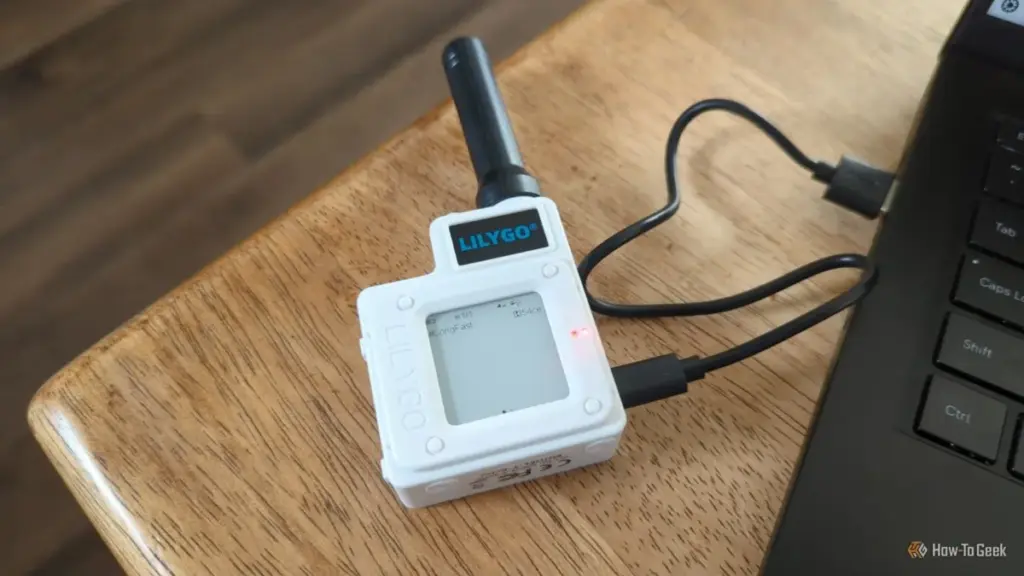
The two protocols differ primarily in their philosophy and complexity. Meshtastic is widely regarded as the more user-friendly option, designed for quick deployment and ease of use. It is highly effective for small groups and community-level networks. Users can consult the "MeshMap," an online visualization tool that shows the locations of active public nodes, to determine if there is an existing network in their area they can join.
MeshCore, on the other hand, is optimized for larger, more complex communication potentials. It utilizes a three-tier system of devices to manage traffic more efficiently across a higher number of hops. While this allows for potentially broader coverage, it requires a more involved setup process and a deeper understanding of network topography. For the average user looking for emergency backup or off-grid texting, Meshtastic remains the standard recommendation. However, for those looking to build a robust, city-wide infrastructure, MeshCore offers a compelling alternative.
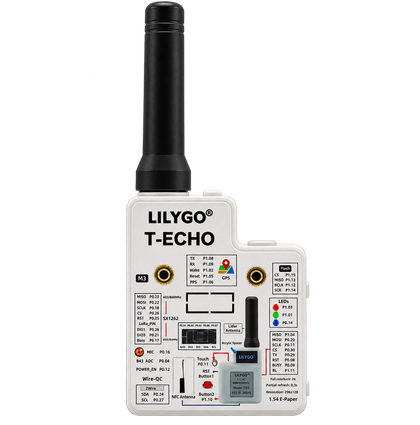
The growth of these networks is often spurred by external events. During major environmental crises, such as wildfires in the American West or severe storms in the Southeast, traditional cellular towers are often overwhelmed or physically damaged. In these scenarios, the value of a LoRa mesh becomes clear. When the "bars" on a smartphone disappear, a Meshtastic node can still relay critical information, coordinate help, and provide a lifeline to the outside world.
A Future Built on Decentralization
One of the most promising aspects of the LoRa ecosystem is the interoperability of the hardware. Because these devices are based on open standards and microcontrollers like the ESP32, they are not locked into a single ecosystem. A user who starts with Meshtastic can easily "flash" their device with MeshCore firmware or even custom code if their needs change. This flexibility prevents the hardware from becoming obsolete and encourages a culture of experimentation.
The community surrounding these protocols is also exploring creative ways to integrate LoRa into other projects. Some enthusiasts are building "cyberdecks"—portable, ruggedized computers designed for field use—that feature integrated LoRa modules for persistent messaging. Others are setting up solar-powered repeater nodes on mountain ridges to provide "community clouds" of connectivity over vast rural areas.
Ultimately, the rise of LoRa and mesh networking represents a shift in how we think about digital communication. It moves away from the model of a passive consumer reliant on a massive, centralized provider and toward a model of an active participant who owns and maintains their own slice of the network. Whether used for weekend camping trips, emergency preparedness, or simply as a hobby to explore the limits of radio technology, LoRa and Meshtastic are proving that even in a world dominated by the internet, there is still a vital place for the independent airwaves.
 Tech Tutorials & How-To Guides
From Satire to Slapstick: A Curated Selection of Netflix Comedies to Cure the Workday Blues
In the modern professional landscape, the transition from a high-stress office environment...
 Tech Tutorials & How-To Guides
The Evolution of Everyday Carry: Innovative Multi-Tool Advancements Defining the 2026 Market
For decades, the multi-tool has served as the cornerstone of the "Everyday...
 Tech Tutorials & How-To Guides
The Linux Mint Paradox: Why the ‘Windows Alternative’ May Not Be the Gateway It’s Marketed to Be
For years, the tech community has championed Linux Mint as the definitive...







