
In the modern corporate landscape, data storage is no longer a secondary concern; it is the fundamental infrastructure upon which mission-critical applications, cloud services, and real-time analytics are built. While consumer-grade storage focuses on intermittent use and cost-effectiveness, enterprise-grade hard drives are engineered for a different reality: the relentless, 24/7 demands of the global data center. These drives provide the necessary reliability, performance, and massive capacity required to sustain the continuously demanding applications that define contemporary organizational workflows.
As businesses navigate the transition between on-premises hardware, hybrid cloud models, and fully decentralized network-attached storage (NAS) environments, the choice of a hard drive becomes a strategic decision. To assist IT professionals and infrastructure architects in this selection process, an extensive evaluation of ten of the most widely used enterprise hard disk drives (HDDs) was conducted. This analysis scrutinized each model across several key metrics, including pricing structures, core technical specifications, enterprise-specific features, vendor reliability, and the quality of customer support.
The findings highlight a market dominated by a small group of highly specialized manufacturers—primarily Seagate, Western Digital, and Toshiba—each offering tailored solutions for diverse environments ranging from heavy-scale cloud servers to specialized AI-driven surveillance systems.
The Landscape of High-Performance Enterprise Storage
The enterprise hard drives featured in this evaluation are more than just larger versions of standard desktop disks. They are battle-tested components designed for resilience under heavy, continuous use. In environments like modern data centers, NAS appliances, and hybrid cloud servers, a drive failure is not merely an inconvenience; it can lead to significant downtime or data loss if not managed by robust hardware and redundancy protocols.
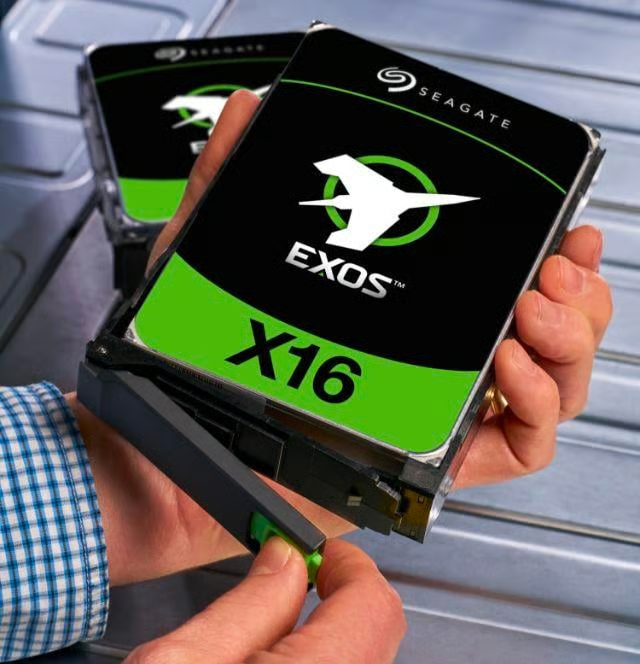
Leading the pack for heavy workloads is the Seagate Exos series. This line is specifically designed for server environments and hyperscale applications. With an overall score of 4.43, the Exos stands out for its enterprise features, achieving a perfect five-star rating in that category. These drives are available through both Serial AT Attachment (SATA) and Serial Attached SCSI (SAS) interfaces, providing flexibility for different backplane architectures. One of the most impressive statistics for the Exos series is its rated 2.5 million hours Mean Time Between Failure (MTBF), a figure that underscores its intended role as a workhorse of the data center.
Sharing the Seagate stable is the IronWolf Pro, which earned an overall score of 3.93. While its core features were rated slightly lower than the Exos, it remains a premier choice for data centers and high-capacity SATA or Non-Volatile Memory Express (NVMe) applications. The IronWolf Pro is particularly favored in scenarios requiring high levels of sustained performance and reliability across multi-bay enclosures where vibration resistance is a critical factor.
Capacity and Specialized Workload Optimization
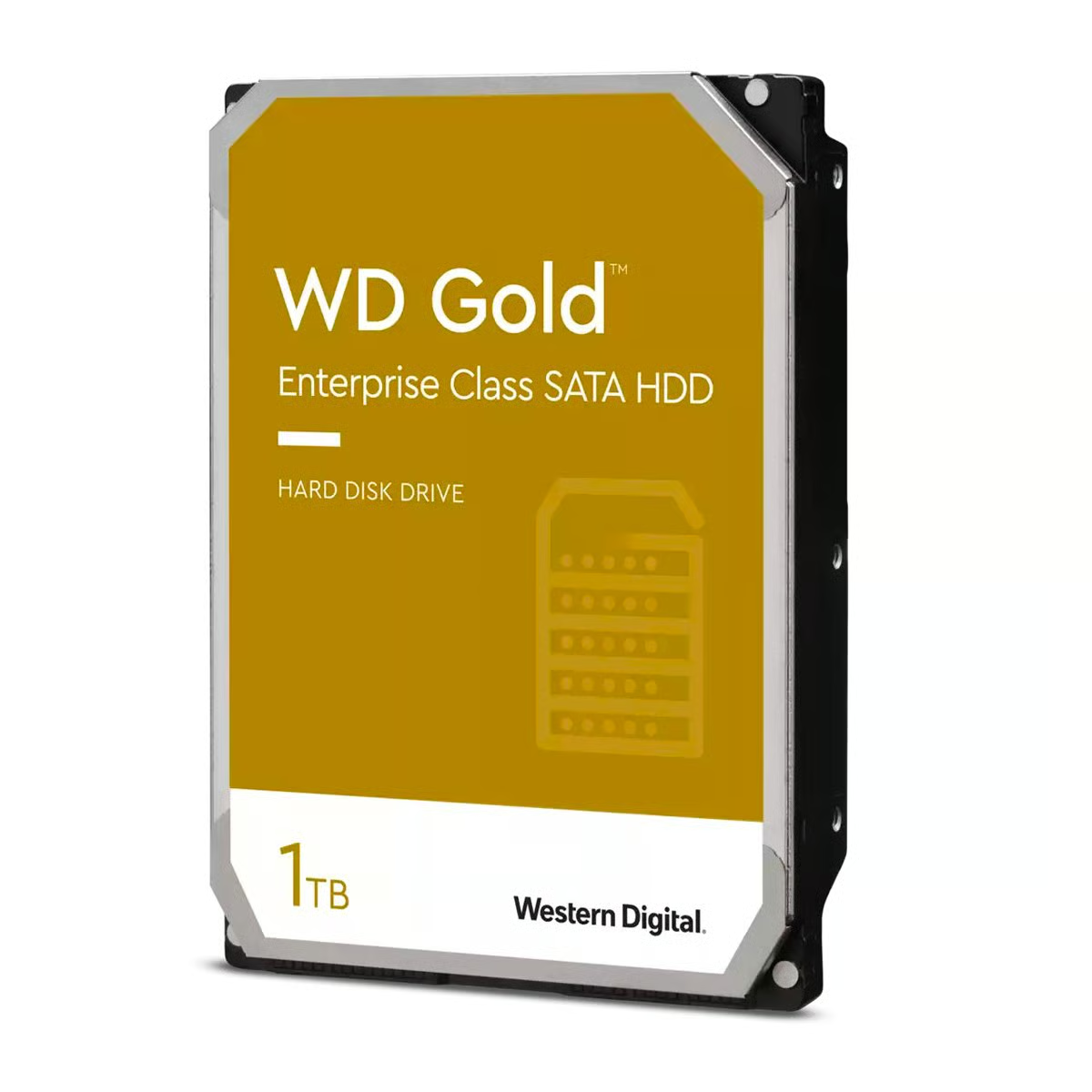
Western Digital (WD) remains a formidable competitor, particularly with its WD Gold Enterprise series. Scoring a high 4.78 overall, the Gold series is often cited as the gold standard for size options and sustained transfer rates. What sets the WD Gold apart is the integration of enterprise-specific innovations like ArmorCache. This non-volatile cache solution significantly improves performance while mitigating the risks of data loss that often plague traditional DRAM-based caching during unexpected power events. With a perfect score for its operational environments, the WD Gold series is built to thrive almost anywhere, from traditional servers to the most demanding cloud arrays.
For organizations managing mixed-use workloads, the Toshiba MG Series provides a versatile alternative. With an overall score of 4.58, Toshiba’s flagship enterprise line offers capacity options ranging from 1 TB to 10 TB. These drives are specifically engineered to support 24/7 operations within data center servers and storage infrastructures. Toshiba has focused heavily on storage-utilization features, ensuring that these drives can handle the erratic I/O demands of mixed-use environments without sacrificing longevity.
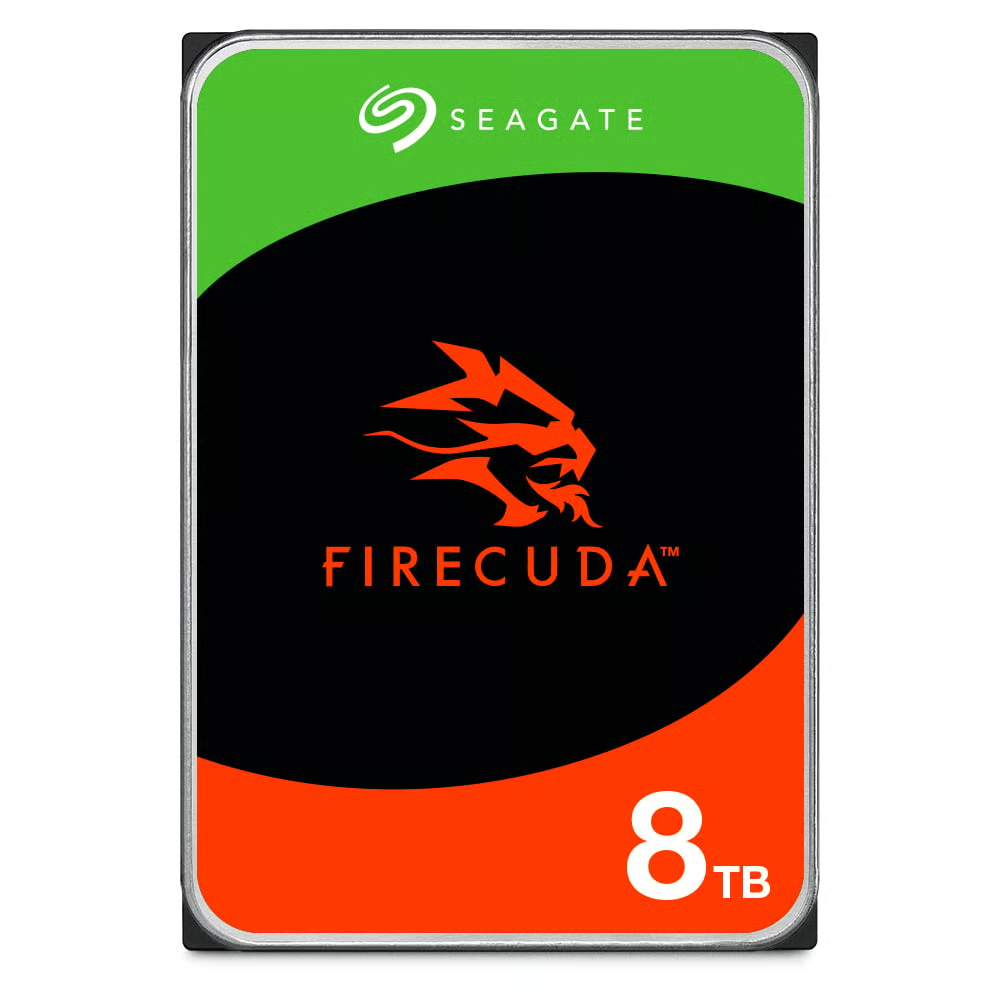
Interestingly, the highest overall score in the evaluation, a 4.95, went to the Seagate FireCuda. While many in the industry associate the FireCuda name with high-end gaming or intensive audio-visual (A/V) applications, its industrial-grade build quality makes it an exceptional choice for enterprise "vault" use cases. Its perfect scores across core features, enterprise features, and environmental versatility suggest that its performance profile, originally tuned for low-latency gaming, translates effectively into the high-stakes world of enterprise data management.
Tailoring Storage to Professional Environments
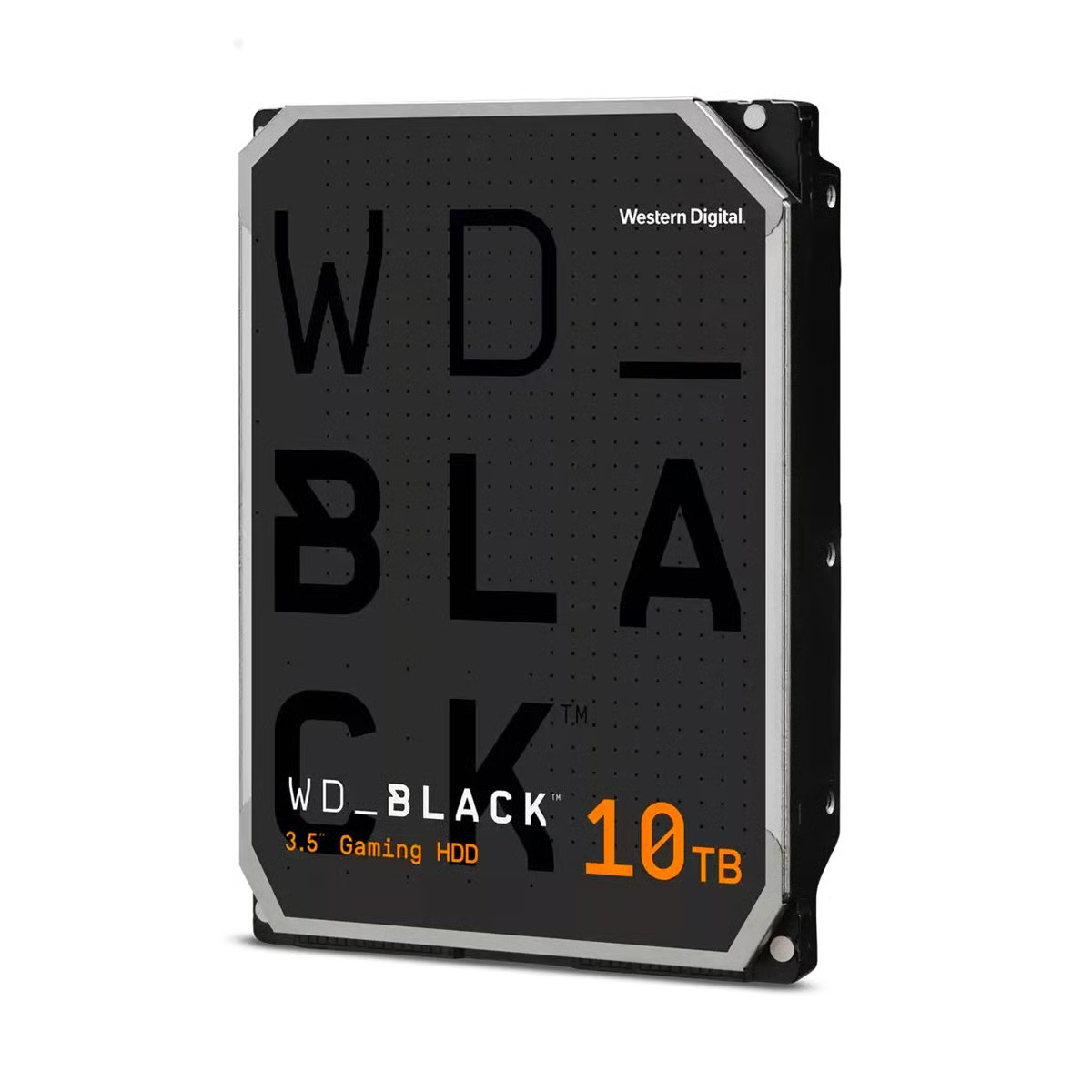
Not every enterprise storage need is found in a rack-mounted server. The WD Black series, for instance, remains a popular choice for enterprise desktops and high-end workstations. With an overall score of 4.05, the WD Black is recognized for its 7,200 RPM spindle speeds in models 4 TB and larger. This makes it a capable contender for IT professionals who require high-speed local storage for data-intensive tasks like software development or localized data processing.
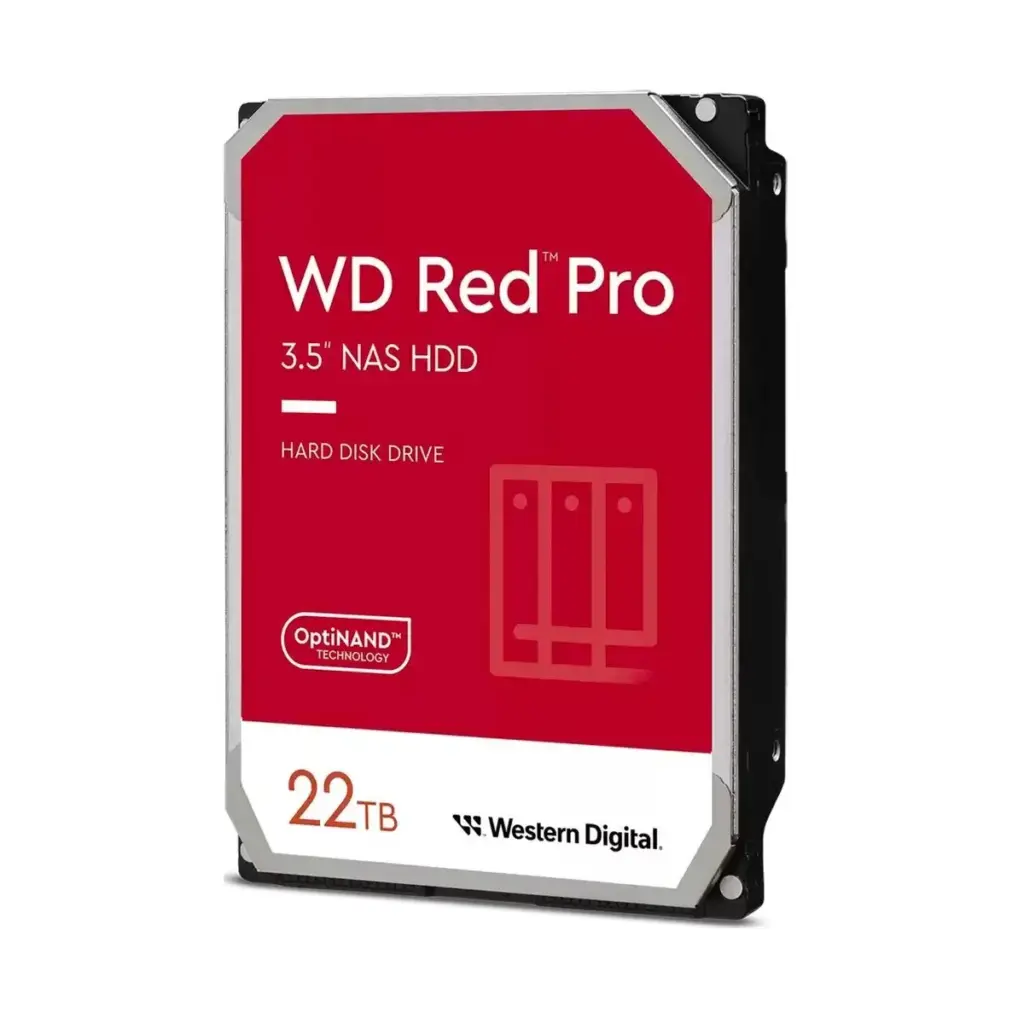
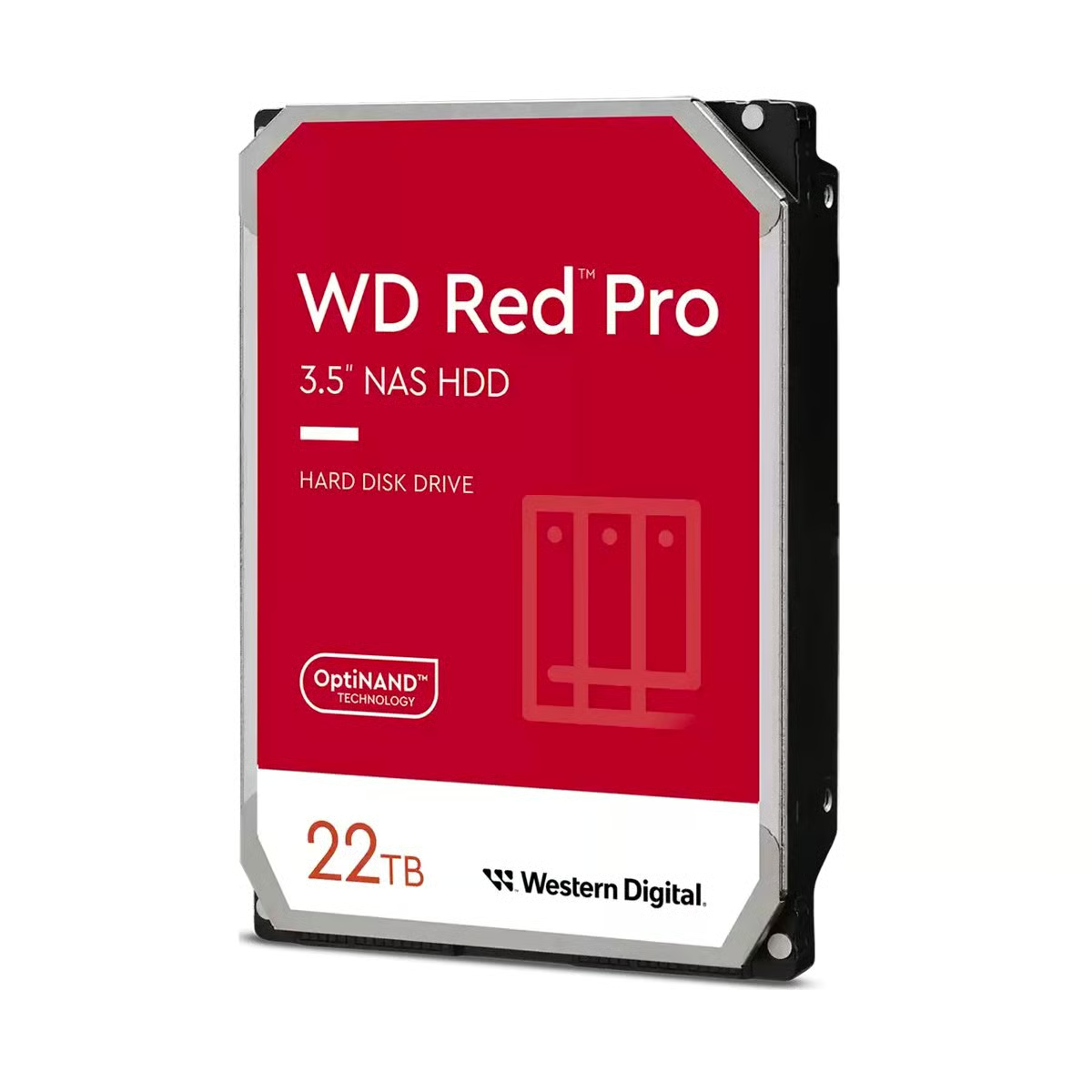
In the realm of Network Attached Storage (NAS), two models stand out: the WD Red Pro and the Toshiba N300. The WD Red Pro, scoring 4.50, is designed for random workloads, benefiting greatly from its 7,200 RPM speed and a substantial 512MB of DRAM cache in its 14TB and larger models. Meanwhile, the Toshiba N300 NAS drive, with a score of 4.25, is renowned for bringing enterprise-grade endurance to a price point that is accessible to smaller organizations and home offices. Available in capacities up to 18 TB, the N300 is a frequent choice for high-performance storage systems that require 24/7 reliability without the extreme overhead of hyperscale hardware.
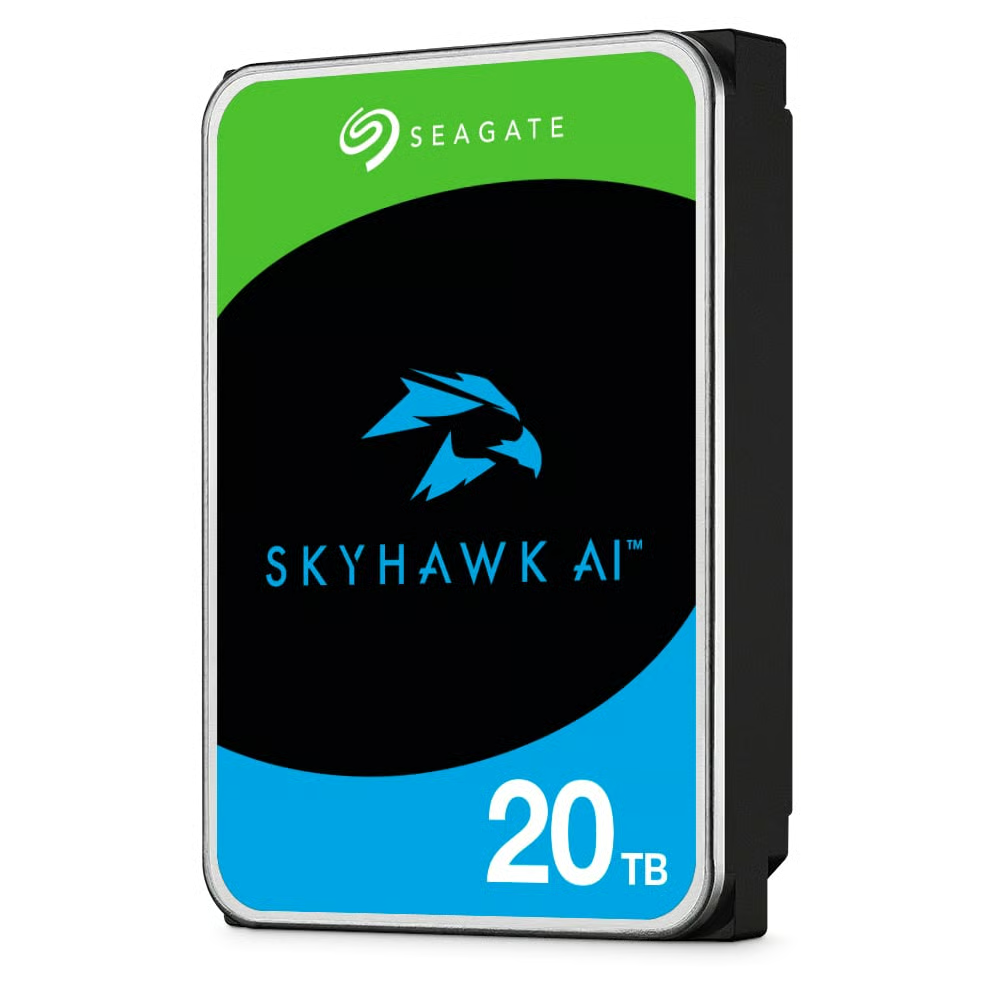
Specialized surveillance storage is another critical branch of the enterprise market. The Seagate Skyhawk series and the WD Purple series are both designed for the unique write-heavy demands of video recording. The Skyhawk AI, scoring 3.95, is optimized for artificial intelligence network video recorders (AI NVRs), supporting deep learning and AI analytics. On the other hand, the WD Purple series, with a 4.55 score, focuses on broad compatibility across a myriad of security systems, ensuring that enterprise-grade 24/7 video recording remains stable and secure.
Technical Differentiators: Reliability, Performance, and Efficiency
When evaluating these drives, several key features emerge as the deciding factors for enterprise adoption. Reliability and durability are paramount. Unlike consumer drives, which may only run for a few hours a day, enterprise drives must withstand the thermal and mechanical stress of continuous operation. This is why metrics like MTBF and rotational vibration sensors are so heavily weighted; they ensure the drive can survive in a chassis filled with dozens of other vibrating disks.
Performance optimization also goes beyond raw speed. While 7,200 RPM is the standard for performance HDDs, enterprise drives also utilize larger caches and sophisticated firmware to manage high input/output (I/O) operations. Furthermore, error recovery is handled differently at the enterprise level. Features like Time-Limited Error Recovery (TLER) are essential for drives used in Redundant Array of Independent Disk (RAID) configurations. TLER prevents a drive from "dropping" out of an array by limiting the time it spends trying to recover from a read or write error, allowing the RAID controller to handle the correction and maintain system uptime.
Power efficiency is the final piece of the puzzle. In a data center deploying thousands of drives, even a small reduction in wattage per drive can lead to massive savings in electricity and cooling costs. Modern enterprise drives are increasingly designed to balance high performance with energy-conscious operation to reduce the total cost of ownership (TCO).
Methodology: How the Drives Were Scored
To provide a fair and transparent comparison, the evaluation utilized a weighted scoring system across six distinct categories. Core features, representing 25 percent of the total score, accounted for capacity, speed, and data transfer rates. Enterprise features, such as advanced error recovery and hardware security, made up 20 percent.
The vendor’s profile and support levels were also heavily scrutinized, representing 15 and 20 percent of the score, respectively. In the enterprise sector, the reputation of the manufacturer and the availability of live technical support are often as important as the hardware itself. The remaining 20 percent of the score was split between pricing (10 percent) and the versatility of the operational environments (10 percent).
Ultimately, choosing the best enterprise hard drive requires a thorough assessment of a business’s specific needs. Whether an organization is looking for the massive scale of the WD Gold, the specialized AI capabilities of the Seagate Skyhawk, or the mixed-use versatility of the Toshiba MG series, the 2023 market offers a robust selection of hardware designed to serve as the reliable bedrock of modern digital infrastructure. As data demands continue to grow, these drives remain the essential, high-capacity components that keep the world’s information moving.
 Enterprise Tech & Infrastructure
The Pillars of Data Infrastructure: A Comprehensive Evaluation of the Top Enterprise Hard Drives for 2023
In the modern landscape of digital infrastructure, the demand for robust, high-capacity...
 Enterprise Tech & Infrastructure
Strategic Navigation of Amazon S3 Economics: Beyond the Per-Gigabyte Price Point
In the landscape of modern enterprise cloud architecture, Amazon S3 has long...
 Enterprise Tech & Infrastructure
Navigating the Hidden Complexities of Amazon S3: Strategies for Mitigating Enterprise Storage Overspend
The financial architecture of cloud storage is often more complex than it...







