
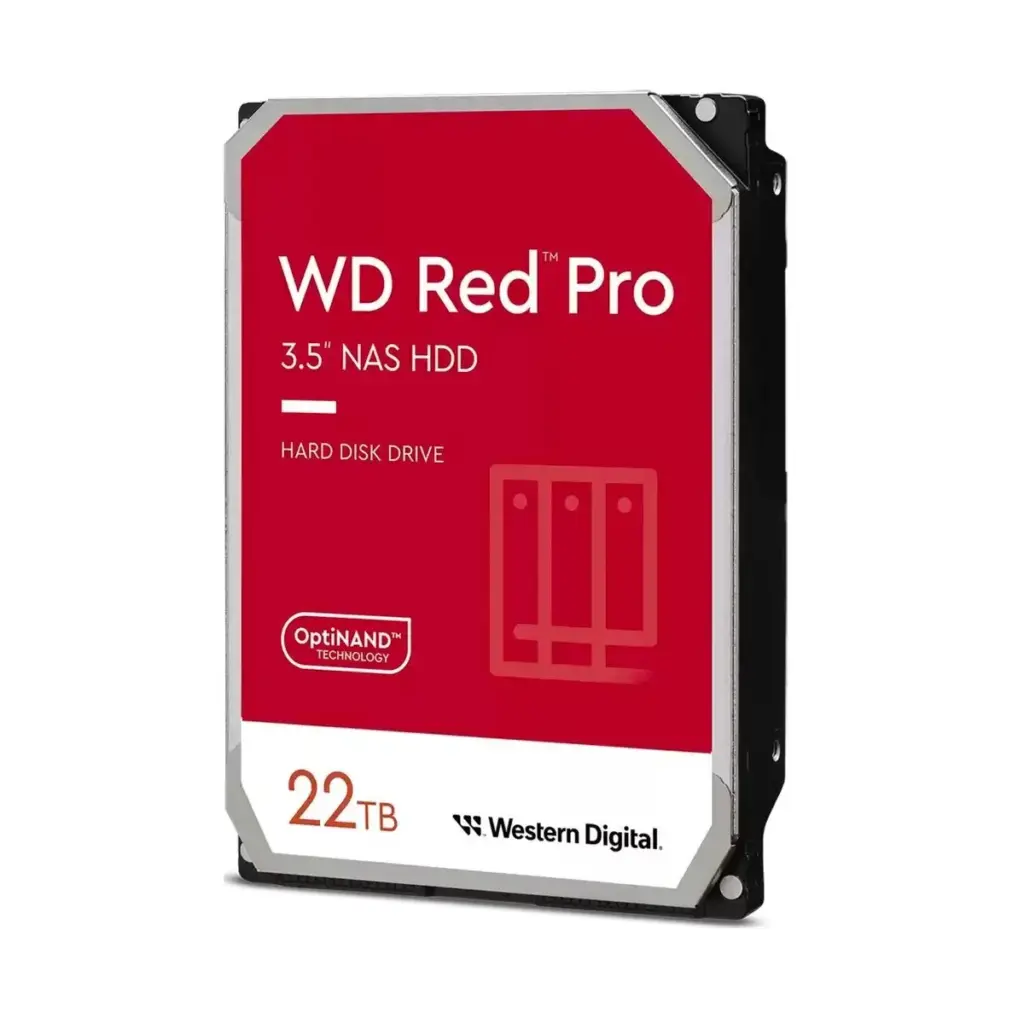
Technical Differentiators: Reliability, Performance, and Efficiency
When evaluating these drives, several key features emerge as the deciding factors for enterprise adoption. Reliability and durability are paramount. Unlike consumer drives, which may only run for a few hours a day, enterprise drives must withstand the thermal and mechanical stress of continuous operation. This is why metrics like MTBF and rotational vibration sensors are so heavily weighted; they ensure the drive can survive in a chassis filled with dozens of other vibrating disks.
Performance optimization also goes beyond raw speed. While 7,200 RPM is the standard for performance HDDs, enterprise drives also utilize larger caches and sophisticated firmware to manage high input/output (I/O) operations. Furthermore, error recovery is handled differently at the enterprise level. Features like Time-Limited Error Recovery (TLER) are essential for drives used in Redundant Array of Independent Disk (RAID) configurations. TLER prevents a drive from "dropping" out of an array by limiting the time it spends trying to recover from a read or write error, allowing the RAID controller to handle the correction and maintain system uptime.
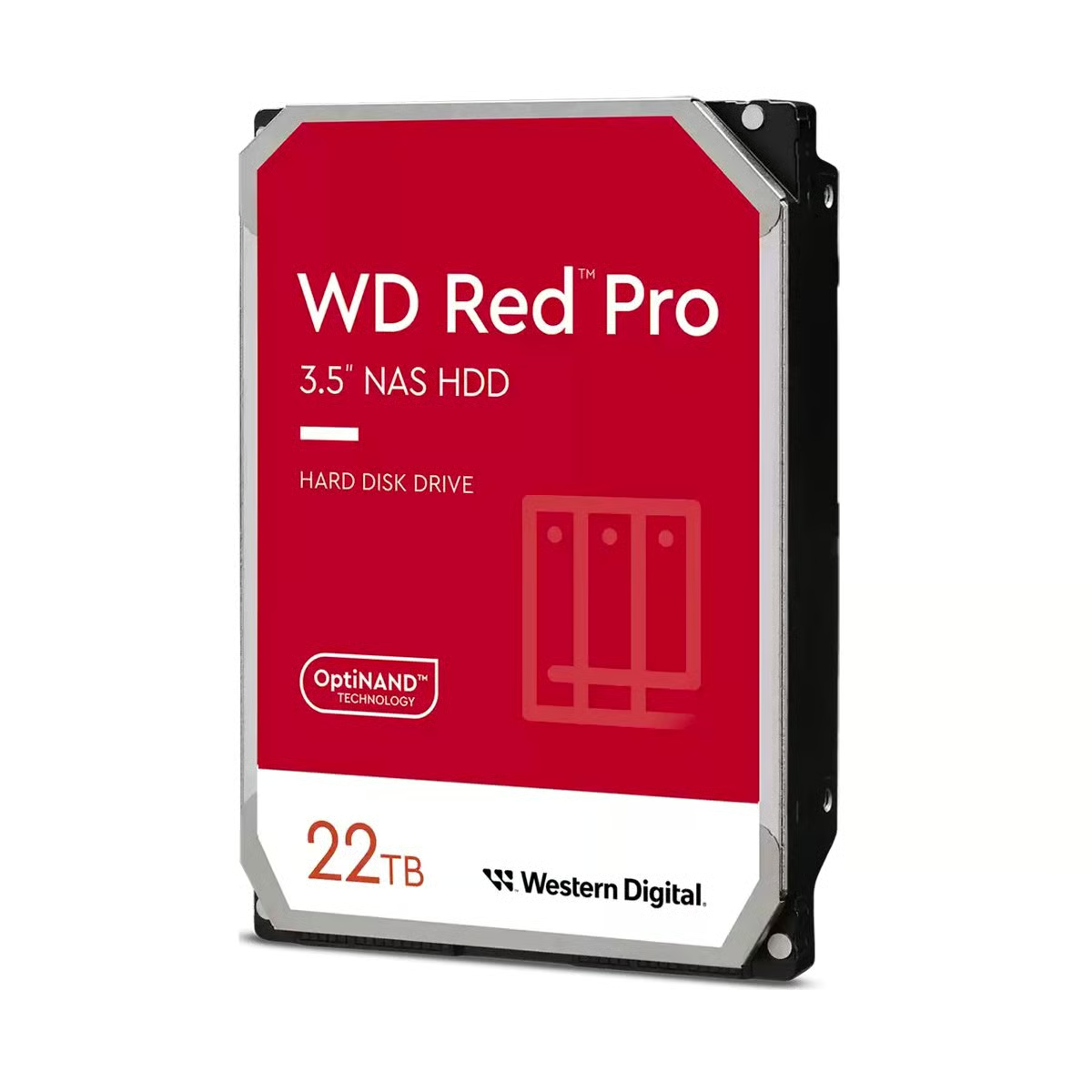
Power efficiency is the final piece of the puzzle. In a data center deploying thousands of drives, even a small reduction in wattage per drive can lead to massive savings in electricity and cooling costs. Modern enterprise drives are increasingly designed to balance high performance with energy-conscious operation to reduce the total cost of ownership (TCO).
Methodology: How the Drives Were Scored
To provide a fair and transparent comparison, the evaluation utilized a weighted scoring system across six distinct categories. Core features, representing 25 percent of the total score, accounted for capacity, speed, and data transfer rates. Enterprise features, such as advanced error recovery and hardware security, made up 20 percent.
The vendor’s profile and support levels were also heavily scrutinized, representing 15 and 20 percent of the score, respectively. In the enterprise sector, the reputation of the manufacturer and the availability of live technical support are often as important as the hardware itself. The remaining 20 percent of the score was split between pricing (10 percent) and the versatility of the operational environments (10 percent).
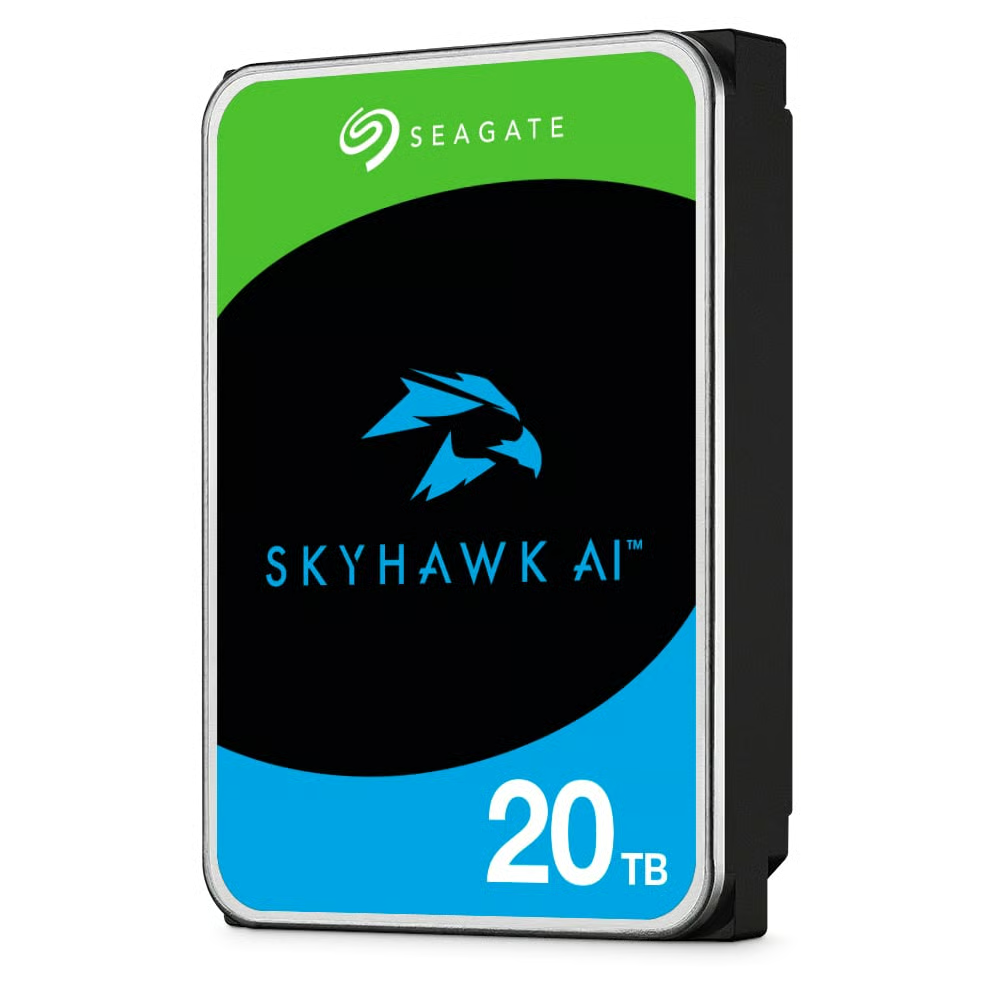
Ultimately, choosing the best enterprise hard drive requires a thorough assessment of a business’s specific needs. Whether an organization is looking for the massive scale of the WD Gold, the specialized AI capabilities of the Seagate Skyhawk, or the mixed-use versatility of the Toshiba MG series, the 2023 market offers a robust selection of hardware designed to serve as the reliable bedrock of modern digital infrastructure. As data demands continue to grow, these drives remain the essential, high-capacity components that keep the world’s information moving.
 Enterprise Tech & Infrastructure
The Evolution of Data Infrastructure: How Hyperconverged Storage is Redefining the Modern Data Center
As enterprises navigate an increasingly data-centric landscape, the architecture supporting that data...
 Enterprise Tech & Infrastructure
IBM, AMD, and Oak Ridge National Laboratory Launch Integrated Co-Design Platform to Accelerate Quantum Error Correction
The pursuit of fault-tolerant quantum computing has long been defined by a...
 Enterprise Tech & Infrastructure
Optimizing the Modern Data Center: Essential Strategies for Implementing Software-Defined Storage
The modern enterprise landscape is defined by an insatiable appetite for data,...







