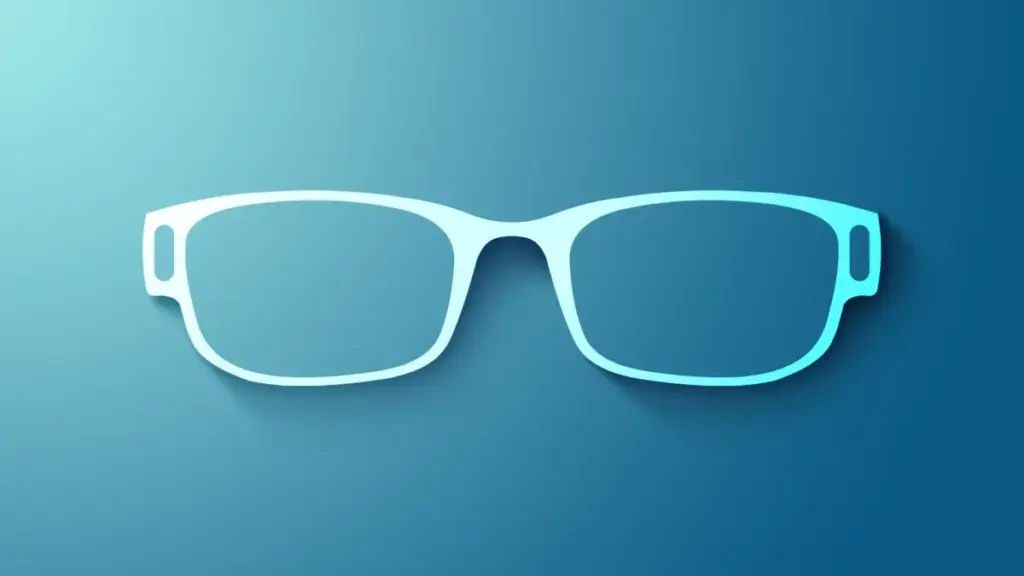
Apple is preparing to enter the smart eyewear market with its first dedicated smart glasses, aiming for an official unveiling at its Worldwide Developers Conference in June 2027 followed by a retail release before the end of that year, according to details published by Bloomberg reporter Mark Gurman in his latest "Power On" newsletter. The device, which is currently undergoing testing under the internal code name "N50," represents a major new hardware category for the Cupertino tech giant, anchoring its wearable strategy heavily on artificial intelligence, contextual awareness, and deep integration with the broader iOS app ecosystem.
Development on the wearable device began in the early 2020s, and sources familiar with the matter indicate that Apple has largely finalized the physical hardware design. Early prototypes of the N50 glasses display a sleek form factor that is reported to be slightly thinner than Meta’s second-generation Ray-Ban smart glasses. Apple’s industrial design team has focused heavily on aesthetic refinement, experimenting with test units that feature oval camera openings embedded directly into the frame without any protruding camera housings or visible bumps. To address growing public privacy concerns regarding wearable cameras, the prototypes include a front-facing indicator light that illuminates to signal active recording, operational status, or charging, while Apple continues to test additional privacy safeguards prior to mass production.
Apple is planning to offer the smart glasses in multiple styles and color options, putting significant engineering focus into premium materials, integrated sensors, and high-fidelity audio hardware. Apple employees who have tested the prototype hardware have characterized the sound performance as "industry-leading." The integrated audio system will support standard music playback, phone calls, and high-definition FaceTime audio calls, allowing users to consume media and communicate without needing separate wireless earbuds.
For power management, Apple has engineered a novel charging mechanism specifically tailored for wearable prototype testing. Test units feature a flat, three-pin magnetic connector described as being roughly the size of a Tic Tac, positioned near the end of the left temple arm. This design allows testers to comfortably charge the glasses while actively wearing them. However, it remains uncertain whether this specific magnetic charging connector will be preserved in the final commercial product or replaced with a more conventional case-based charging system by the time the device reaches consumers.
Unlike dedicated virtual or mixed-reality headsets, Apple’s first-generation smart glasses will not feature an augmented reality display capable of projecting visual imagery or graphics onto the lenses. Instead, the user experience will be driven entirely through voice interactions and auditory feedback managed by Siri. The virtual assistant will utilize the embedded cameras to capture visual data from the user’s surroundings, analyzing real-world objects, environments, and text in real time to answer questions and execute commands hands-free.
 macOS & Apple IT Support
Amazon Drops Apple Watch Ultra 4 to All-Time Low of $699.99 in Rare Post-Launch Discount
Amazon has introduced a significant price reduction on Apple’s latest flagship wearable,...
 macOS & Apple IT Support
Apple Expands watchOS 27.0.1 Update to All Compatible Apple Watch Models Following Targeted Initial Patch
Apple has officially broadened the distribution of watchOS 27.0.1, making the software...
 macOS & Apple IT Support
Apple Explores Major Siri Overhaul to Build Autonomous AI Agent Rivaling Competitors
Apple’s virtual assistant ecosystem may be approaching its most fundamental architectural shift...