
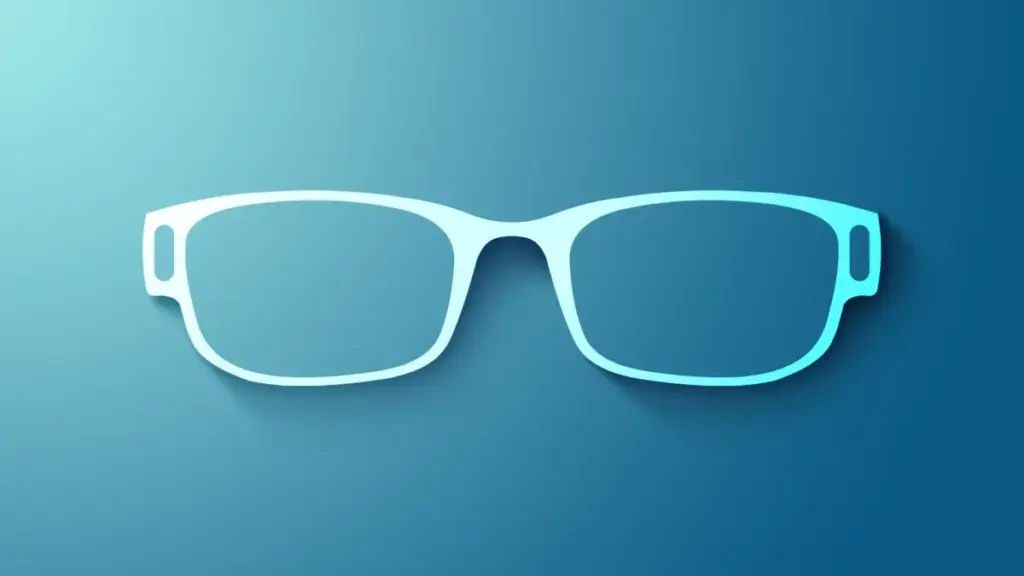
Apple is preparing to enter the smart eyewear market with its first dedicated smart glasses, aiming for an official unveiling at its Worldwide Developers Conference in June 2027 followed by a retail release before the end of that year, according to details published by Bloomberg reporter Mark Gurman in his latest "Power On" newsletter. The device, which is currently undergoing testing under the internal code name "N50," represents a major new hardware category for the Cupertino tech giant, anchoring its wearable strategy heavily on artificial intelligence, contextual awareness, and deep integration with the broader iOS app ecosystem.
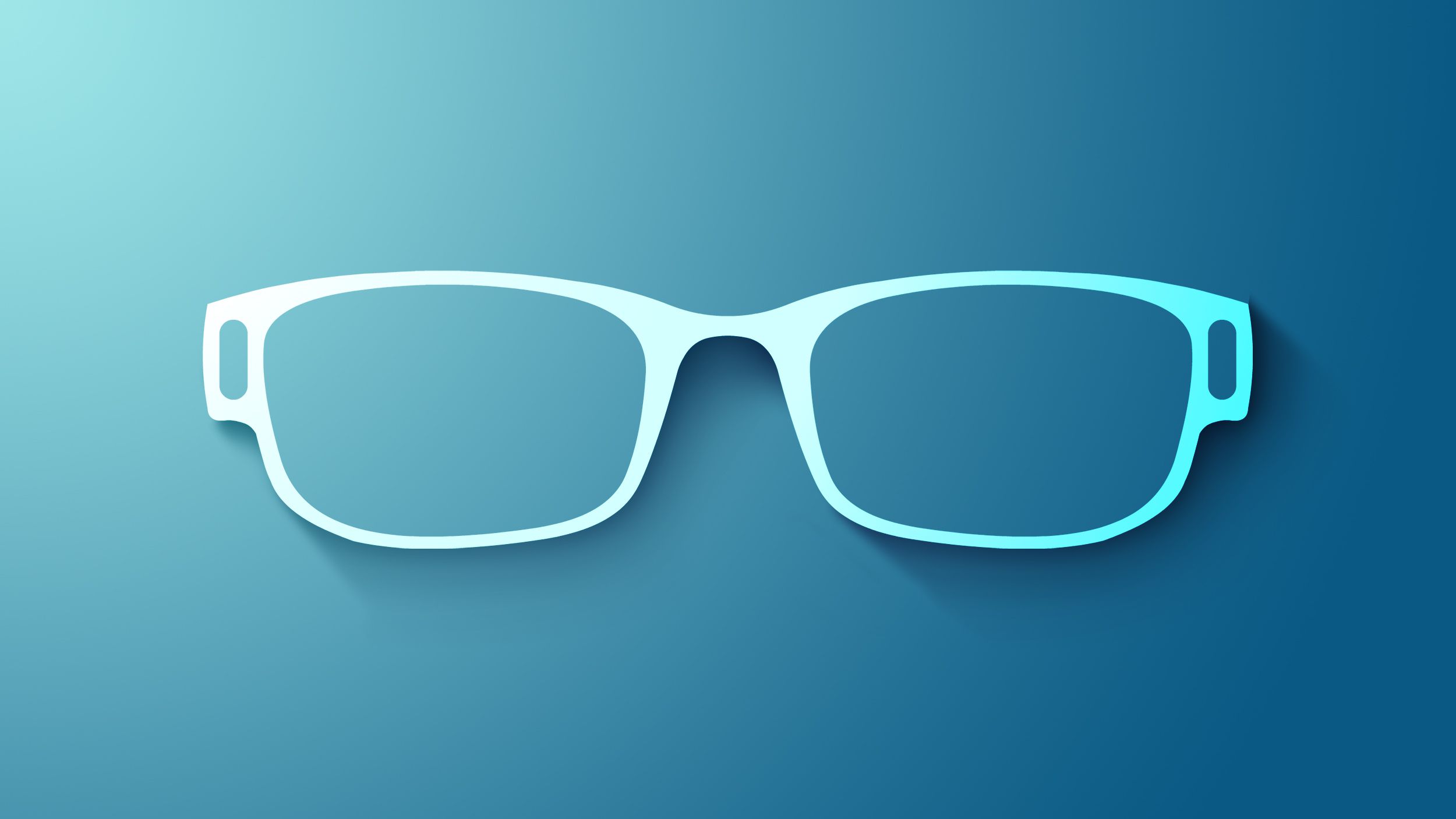
Development on the wearable device began in the early 2020s, and sources familiar with the matter indicate that Apple has largely finalized the physical hardware design. Early prototypes of the N50 glasses display a sleek form factor that is reported to be slightly thinner than Meta’s second-generation Ray-Ban smart glasses. Apple’s industrial design team has focused heavily on aesthetic refinement, experimenting with test units that feature oval camera openings embedded directly into the frame without any protruding camera housings or visible bumps. To address growing public privacy concerns regarding wearable cameras, the prototypes include a front-facing indicator light that illuminates to signal active recording, operational status, or charging, while Apple continues to test additional privacy safeguards prior to mass production.
Apple is planning to offer the smart glasses in multiple styles and color options, putting significant engineering focus into premium materials, integrated sensors, and high-fidelity audio hardware. Apple employees who have tested the prototype hardware have characterized the sound performance as "industry-leading." The integrated audio system will support standard music playback, phone calls, and high-definition FaceTime audio calls, allowing users to consume media and communicate without needing separate wireless earbuds.
For power management, Apple has engineered a novel charging mechanism specifically tailored for wearable prototype testing. Test units feature a flat, three-pin magnetic connector described as being roughly the size of a Tic Tac, positioned near the end of the left temple arm. This design allows testers to comfortably charge the glasses while actively wearing them. However, it remains uncertain whether this specific magnetic charging connector will be preserved in the final commercial product or replaced with a more conventional case-based charging system by the time the device reaches consumers.
Unlike dedicated virtual or mixed-reality headsets, Apple’s first-generation smart glasses will not feature an augmented reality display capable of projecting visual imagery or graphics onto the lenses. Instead, the user experience will be driven entirely through voice interactions and auditory feedback managed by Siri. The virtual assistant will utilize the embedded cameras to capture visual data from the user’s surroundings, analyzing real-world objects, environments, and text in real time to answer questions and execute commands hands-free.
Apple envisions a broad range of everyday practical applications for the glasses’ visual recognition capabilities. Planned use cases include identifying historic buildings and urban landmarks, scanning the contents of an open refrigerator to suggest recipes and meal options, delivering contextual turn-by-turn walking directions, and translating printed foreign signs or spoken conversations on the fly. Beyond visual AI tasks, the glasses will handle core daily assistant features, including making phone calls, dictating and reading text messages, relaying iPhone notifications, managing calendars, setting standard and visual location-based reminders, adjusting media playback, and controlling HomeKit-connected smart home accessories.
To power these visual and contextual experiences, Apple is relying on custom silicon and a lightweight software architecture. Internal prototypes run a stripped-down, optimized version of visionOS 28. The core computational tasks on the glasses themselves are driven by a processor derived from older Apple Watch chipsets, alongside specialized custom components designed specifically to manage wireless connectivity and rapidly process image data streaming directly from the frame’s optical sensors.
Because the lightweight frame cannot accommodate a high-performance system-on-chip or a large battery, the glasses will function primarily as a companion peripheral rather than a fully independent computing platform. The device will rely on a paired recent iPhone model to offload the heavy computational processing and memory requirements needed for advanced AI execution. Android devices will not be supported. However, built-in Wi-Fi connectivity will enable certain lightweight system features outside of third-party apps to function even when the paired iPhone is not immediately nearby. For example, audio playback could theoretically continue over an active Wi-Fi network, though the glasses are not engineered to operate as a completely standalone product.
Apple’s software strategy for the glasses hinges on leveraging its massive existing App Store ecosystem rather than forcing developers to construct entirely new applications for a standalone platform. Developers will not need to build dedicated visionOS apps for the glasses; instead, their software will execute on the paired iPhone, with the phone and glasses working in tandem to fulfill user requests. To enable seamless interaction, Apple is requiring developers to integrate deep Siri controls into their existing iPhone apps, allowing the voice assistant to trigger specific in-app capabilities. Apple envisions users seamlessly performing real-world tasks through the glasses using voice commands, such as booking restaurant reservations, requesting ride-shares, ordering coffee from local cafes, completing retail purchases, and buying movie tickets.
The foundational software work required to support these Siri-driven app integrations is already underway. Apple began introducing updated intent-based Siri controls in the first beta of iOS 27.3, laying the groundwork for more precise programmatic control over individual app features. While Apple originally demonstrated early iterations of deep app control concepts back in 2024, the entire architecture has since been completely rebuilt using newer, more capable artificial intelligence foundation models. According to current roadmaps, Apple plans to roll out support for its own first-party system apps in December, with third-party developer tools and APIs releasing in 2027. By establishing these developer integrations well ahead of the hardware launch, Apple aims to launch the smart glasses with a robust ecosystem of compatible services, viewing its deep library of iOS apps as a decisive competitive advantage over rival smart glasses makers.
The smart glasses are part of a broader, multi-pronged push by Apple into vision- and AI-assisted wearable hardware. The device will share functional overlap with a planned set of camera-equipped AirPods, which remain scheduled for release in late 2027. Like the glasses, the visual AirPods will feed real-world visual environmental data to Siri to contextualize user requests. However, Apple views the smart glasses as a superior platform for continuous, all-day wearability, as the larger frame factor can accommodate significantly longer battery life and a more extensive array of environmental sensors compared to compact in-ear audio devices.
The development of the smart glasses comes amid wider structural changes and refinements across Apple’s engineering and product deployment pipelines. The company has recently adjusted its internal development methodology for major operating system updates like iOS 28 and macOS 28, restructuring its annual engineering lifecycle into three distinct major phases. Under this refined approach, each development phase consists of four weeks of active feature coding followed immediately by a four-week "convergence" period dedicated strictly to optimization, bug fixing, and platform stabilization.
At the same time, Apple remains focused on refining its hardware lineup and supply chain strategies following operational lessons learned across other product categories. For example, the recent launch of the iPhone Duo faced severe inventory bottlenecks after Apple opted to open pre-orders despite known manufacturing constraints—a move criticized internally and externally as a major operational misstep. Looking ahead, Apple is actively working on second-generation hardware iterations like the iPhone Duo 2, aiming to integrate key upgrades including Face ID on the outer display, a dedicated Action button, a telephoto lens, and a lighter chassis.
While hardware development for the N50 smart glasses is largely mature, the software and artificial intelligence frameworks underpinning the device remain the primary bottleneck. Software development is currently running behind schedule, presenting a real risk that could ultimately force Apple to push back its planned 2027 announcement and shipping timeline. Whether Apple can meet its targeted WWDC 2027 unveiling will depend entirely on how quickly its engineering teams can finalize the underlying visionOS 28 build, complete the Siri AI integration, and onboard third-party app developers over the coming months.
 macOS & Apple IT Support
Apple’s Annual R&D Spending Surges to $45.77 Billion Driven by AI Expansion and Next-Generation Hardware
Apple’s annual expenditure on research and development experienced a dramatic upward shift...
 macOS & Apple IT Support
Cisco Webex Updates iOS App With Dedicated iPhone Duo Support, Flexible Display Modes, and AI Notetaking
Popular video conferencing platform Webex has officially rolled out a major software...
 macOS & Apple IT Support
Fortnite Returns to Australian App Store Following Federal Court Order Against Apple
In a major development following years of legal maneuvering over mobile marketplace...







