
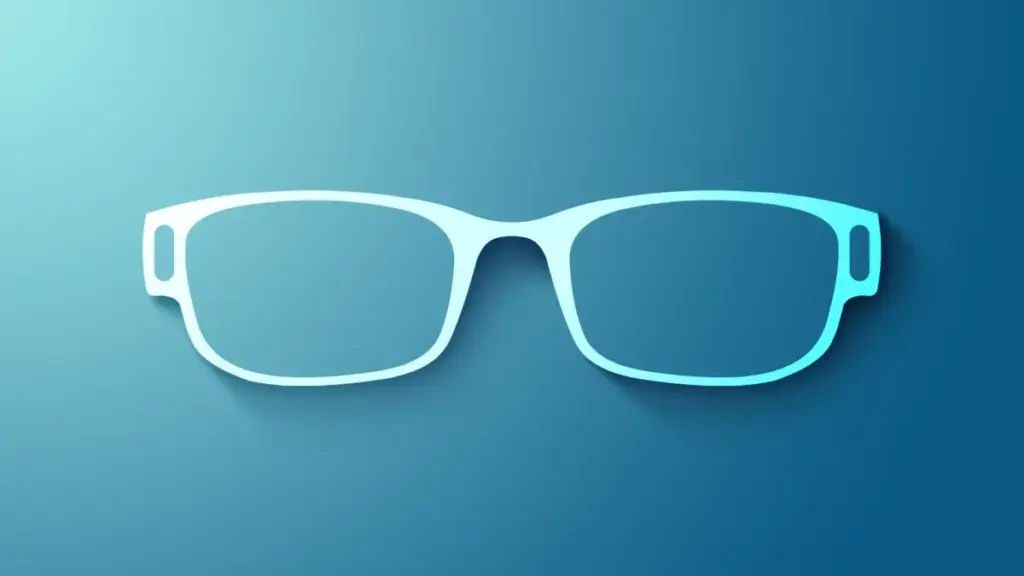
The smart glasses are part of a broader, multi-pronged push by Apple into vision- and AI-assisted wearable hardware. The device will share functional overlap with a planned set of camera-equipped AirPods, which remain scheduled for release in late 2027. Like the glasses, the visual AirPods will feed real-world visual environmental data to Siri to contextualize user requests. However, Apple views the smart glasses as a superior platform for continuous, all-day wearability, as the larger frame factor can accommodate significantly longer battery life and a more extensive array of environmental sensors compared to compact in-ear audio devices.
The development of the smart glasses comes amid wider structural changes and refinements across Apple’s engineering and product deployment pipelines. The company has recently adjusted its internal development methodology for major operating system updates like iOS 28 and macOS 28, restructuring its annual engineering lifecycle into three distinct major phases. Under this refined approach, each development phase consists of four weeks of active feature coding followed immediately by a four-week "convergence" period dedicated strictly to optimization, bug fixing, and platform stabilization.
At the same time, Apple remains focused on refining its hardware lineup and supply chain strategies following operational lessons learned across other product categories. For example, the recent launch of the iPhone Duo faced severe inventory bottlenecks after Apple opted to open pre-orders despite known manufacturing constraints—a move criticized internally and externally as a major operational misstep. Looking ahead, Apple is actively working on second-generation hardware iterations like the iPhone Duo 2, aiming to integrate key upgrades including Face ID on the outer display, a dedicated Action button, a telephoto lens, and a lighter chassis.
While hardware development for the N50 smart glasses is largely mature, the software and artificial intelligence frameworks underpinning the device remain the primary bottleneck. Software development is currently running behind schedule, presenting a real risk that could ultimately force Apple to push back its planned 2027 announcement and shipping timeline. Whether Apple can meet its targeted WWDC 2027 unveiling will depend entirely on how quickly its engineering teams can finalize the underlying visionOS 28 build, complete the Siri AI integration, and onboard third-party app developers over the coming months.
 macOS & Apple IT Support
Apple EU Regulatory Filing Reveals iPad Mini 8 Battery Capacity as Efficiency Gains Offset Smaller Cell
An official regulatory filing published in Europe has revealed precise hardware specifications...
 macOS & Apple IT Support
Apple Temporarily Shutters Seven Key French Retail Stores Amid Safety Concerns and Renewed Nationwide Protests
In a preemptive move designed to protect store personnel, customers, and physical...
 macOS & Apple IT Support
Adobe Cuts Creative Cloud Pro Prices by Up to 77 Percent in Annual Black Friday Promotion
Adobe has officially kicked off its annual holiday discount season, launching a...







