
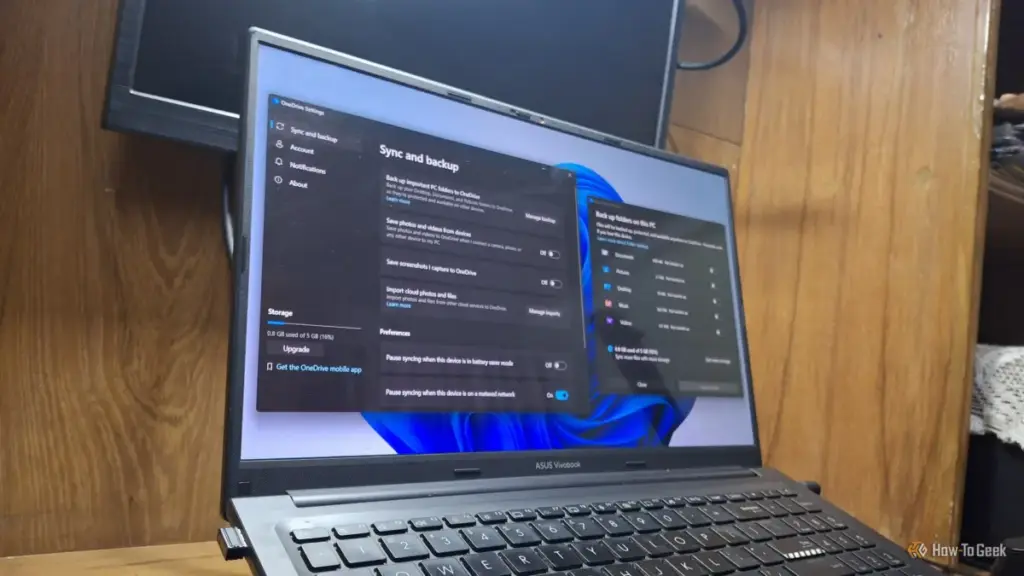
According to Microsoft’s own support documentation, this feature relies on facial scanning and the collection of biometric information to function. While facial recognition is a common feature in modern photo management software, its integration into OneDrive creates a specific privacy loophole for Windows users. Microsoft has previously defended the feature by stating that facial grouping only occurs on photos stored in the OneDrive cloud, leaving "local" photos untouched.
The problem, however, is that Folder Backup effectively eliminates the category of "local" photos. By automatically moving the Pictures folder into the OneDrive directory, Windows ensures that every personal photograph saved to the default location is uploaded to the cloud and, consequently, subjected to facial scanning algorithms. For a user who believes their family photos are sitting privately on their hard drive, the reality is that those images are being processed by cloud-based AI to create biometric profiles—often without the user ever having made a conscious decision to participate in such a program.
Microsoft has attempted to mitigate these concerns by stating that the facial data is not used to train general AI models and that users can opt out of the feature, which results in the deletion of the biometric data within 30 days. Nevertheless, the "opt-out" nature of these features, combined with the "opt-out" nature of Folder Backup itself, creates a system where privacy is something users must actively fight to maintain, rather than a default expectation.
Your Files Should Stay Where You Put Them
The debate over OneDrive Folder Backup is ultimately a debate over user agency. For some, the convenience of having their files accessible across all devices and the security of a cloud-based backup is worth the storage fees and the privacy trade-offs. For others, a computer is a private tool that should function according to the user’s explicit commands, not a portal for data harvesting and subscription upselling.
The trend toward "on by default" cloud services in Windows 11 highlights a growing disconnect between Microsoft’s vision of a connected ecosystem and the needs of users who value local control. As Windows continues to integrate more AI-driven features and cloud-dependent services, the importance of auditing system settings becomes paramount. Disabling Folder Backup is a relatively simple task for those who know where to look, but the fact that it requires a manual intervention to prevent the automatic uploading and scanning of personal files remains a point of significant criticism.
As the operating system evolves toward the 2027 cycle and beyond, the balance between helpful automation and intrusive overreach will continue to be a defining issue for the platform. For now, users are left to navigate a landscape where their desktop, their documents, and even their faces are increasingly treated as assets within a cloud-based ecosystem they may never have intended to join.
 Tech Tutorials & How-To Guides
The Strategic Workshop: Why Balancing Milwaukee and Ryobi Platforms Offers the Ultimate DIY Advantage
For the modern maker, DIY enthusiast, or professional tradesperson, the decision to...
 Tech Tutorials & How-To Guides
Crafting Beyond the Screen: How Simple Woodworking Projects Bridge the Gap Between Tech and Tradition
For more than a decade, Joe Fedewa has been a prominent voice...
 Tech Tutorials & How-To Guides
Navigating the Android Auto Ecosystem: A Comprehensive Evaluation of Google Maps and Its Primary Alternatives
For many modern drivers, the ritual of getting behind the wheel has...







