The primary advantage of TOSLINK is electrical isolation. Because the signal is transmitted as pulses of light rather than electricity, there is no physical metal connection between the two devices. This completely eliminates "ground loops"—the annoying hum or buzz that can occur when different pieces of electronic equipment are connected to different power outlets. For soundbars and mid-range home theater setups, TOSLINK provides a clean, interference-free digital signal that remains more than adequate for standard surround sound.
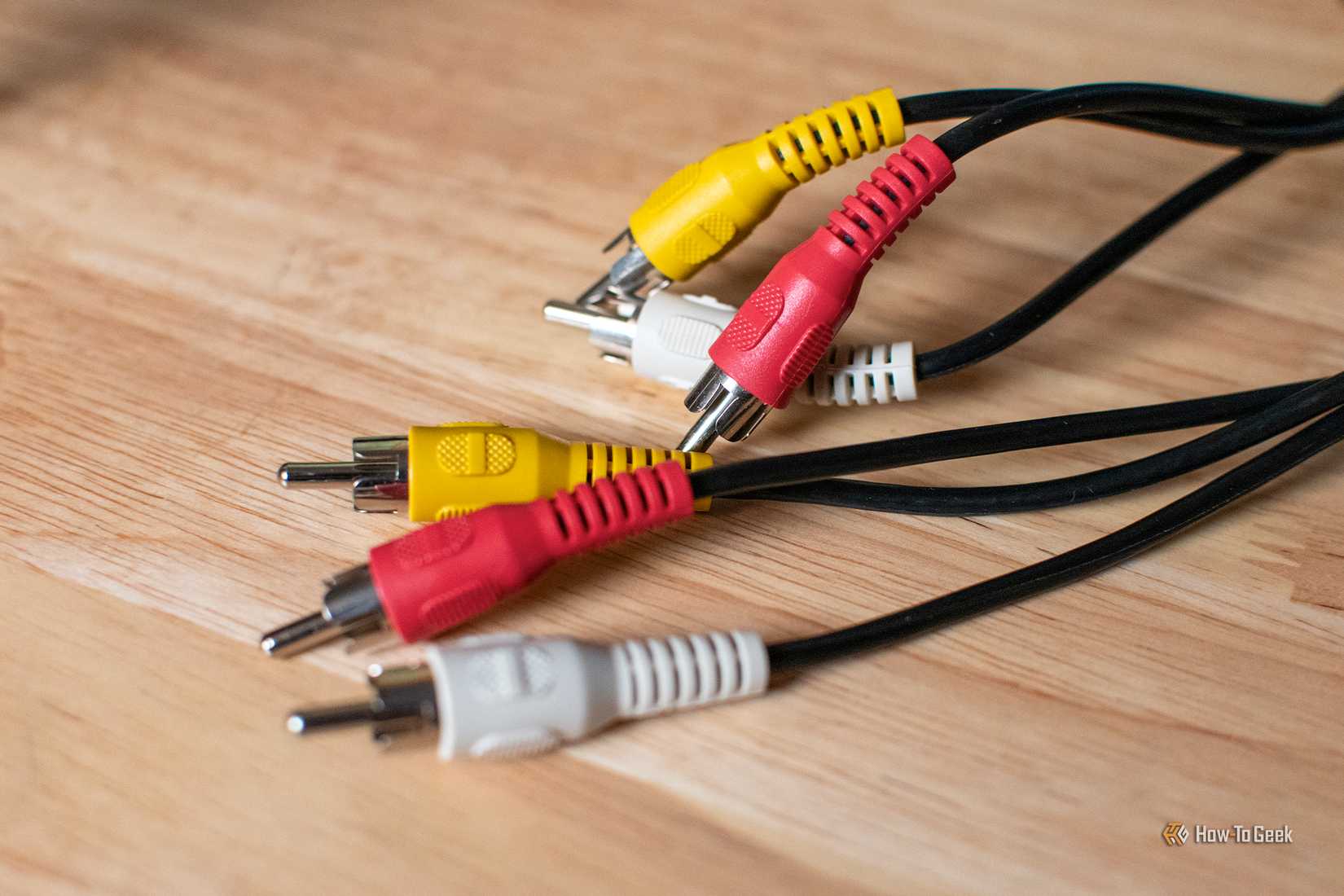
The 5-Pin DIN MIDI Port: The Language of Music
The Musical Instrument Digital Interface (MIDI) port, using a 5-pin DIN connector, was standardized in 1983. It was a revolutionary moment for the music industry, allowing synthesizers, drum machines, and computers from different manufacturers to communicate with one another.
Unlike USB-MIDI, which requires complex software drivers and a host computer, the traditional 5-pin MIDI port is a peer-to-peer connection. This simplicity makes it far more stable for live performances. A keyboard from 1985 can be plugged directly into a synthesizer released in 2024, and they will communicate perfectly. This level of cross-generational compatibility is almost unheard of in other areas of technology, ensuring that the 5-pin DIN port remains a fixture in recording studios worldwide.
VGA: The Analog Workhorse That Won’t Retire
The Video Graphics Array (VGA) port was introduced by IBM in 1987. For over twenty years, it was the primary way we connected PCs to monitors. With its 15-pin "D-sub" connector and thumb-screws for a secure fit, it was a staple of the office environment.
While HDMI and DisplayPort offer much higher resolutions and refresh rates, VGA persists in specific professional niches. It is frequently found on projectors and in server rooms. One of its greatest strengths in these environments is the lack of High-bandwidth Digital Content Protection (HDCP). Digital connections often fail because of a "handshake" error where the screen and the source cannot agree on copy-protection protocols. VGA, being analog, bypasses these digital headaches entirely. If you need to plug a hundred different laptops into a single boardroom projector over the course of a week, VGA is often the most reliable "fallback" option.
The Future of the Past
The longevity of these seven ports invites us to reconsider our definition of progress. We often assume that newer is inherently better, yet the persistence of the 1/4-inch jack or the RCA port suggests that once a standard reaches a certain level of physical and functional efficiency, there is little incentive to change it.
These ports have survived because they are rooted in the laws of physics rather than the whims of software. An analog signal doesn’t care about operating system updates, and a mechanical latch doesn’t need a firmware patch. As we look toward the future, it is worth wondering which of our current "modern" ports will stand the test of time. Will USB-C be around in 150 years, or will it be replaced by a newer, thinner standard? If history is any indication, the most "modern" thing a piece of technology can be is reliable—and in that regard, these seven ports are still leading the way.
 Tech Tutorials & How-To Guides
The Precision Gap: Why the Electric Screwdriver Has Become the Essential Companion to the Cordless Drill
In the world of home improvement and DIY maintenance, the cordless drill...
 Tech Tutorials & How-To Guides
The Rise of Off-Grid Communication: Leveraging LoRa and Meshtastic for Resilient Messaging
In an era where global connectivity is often taken for granted, the...
 Tech Tutorials & How-To Guides
Digital Ghosts: The Iconic Windows Applications That Defined an Era of Computing
The landscape of personal computing is one of constant, ruthless evolution. Over...