
In an era defined by rapid technological obsolescence, where smartphones are replaced annually and software becomes "legacy" within years, there is a surprising sanctuary of permanence found on the back of our electronic devices. While modern standards like HDMI 2.1, DisplayPort 2.1, and the versatile USB-C dominate the headlines and consumer marketing, they represent only the latest chapter in a much longer history of connectivity. Beneath the sleek veneers of modern workstations and home theater systems lies a collection of interfaces that have defied the passage of time.
From the analog signals of the 19th century to the digital fiber optics of the 1980s, several ports have remained essential because they solved fundamental engineering problems so effectively that no replacement has managed to fully usurp them. These are not merely "old" ports; they are masterpieces of industrial design that continue to provide reliability, simplicity, and performance in a world increasingly cluttered by complex digital handshakes and proprietary standards.
The 1/4-Inch Jack: A Century of Sonic Reliability
Perhaps the most remarkable survivor in the history of electronics is the 1/4-inch (6.35mm) phone jack. To find its origins, one must look back to the 1870s, an era when the primary use of such a connector was not for electric guitars or professional audio monitors, but for the manual telephone switchboards that connected the first telecommunications networks.
The 1/4-inch connector was designed for a world of constant physical interaction. Telephone operators needed a plug that could be inserted and removed thousands of times without failure. Its survival into the 21st century is a testament to that original requirement for ruggedness. Today, it remains the universal standard for musical instruments and professional audio equipment.
The port’s longevity stems from its sheer physical practicality. It is large enough to be repaired by hand with a simple soldering iron, yet robust enough to survive being stepped on, yanked out at an angle, or dropped onto a concrete stage. Beyond its physical toughness, the 1/4-inch jack is incredibly versatile. It can handle high-voltage signals, such as those traveling from a power amplifier to a massive stage speaker, while simultaneously being sensitive enough to carry the delicate, low-level signals produced by a guitar pickup. While modern ports focus on miniaturization, the 1/4-inch jack reminds us that sometimes, size and durability are the ultimate features.
The 3.5mm Headphone Jack: The Universal Analog Standard
If the 1/4-inch jack is the rugged veteran of the audio world, the 3.5mm jack is its more agile, ubiquitous sibling. While it has famously faced a "war of attrition" in the smartphone market—as manufacturers prioritize internal space and water resistance—the 3.5mm port remains a mainstay in almost every other category of consumer electronics.
The 3.5mm connector offers several advantages that digital alternatives like Bluetooth or USB-C audio struggle to match. First and foremost is the absence of latency. For gamers, video editors, and musicians, the delay introduced by wireless compression can be a dealbreaker. The 3.5mm jack provides a direct, speed-of-light analog path for audio.

Furthermore, the 3.5mm jack is a "dumb" port in the best possible sense. It requires no pairing process, no firmware updates, and no batteries. It provides a high-fidelity signal that does not suffer from the lossy compression inherent in most Bluetooth connections. In a world where "planned obsolescence" is the norm, the 3.5mm jack remains a symbol of "it just works" technology, bridging the gap between a vintage stereo and a modern laptop.
RCA Ports: The Enduring Simplicity of the 1930s
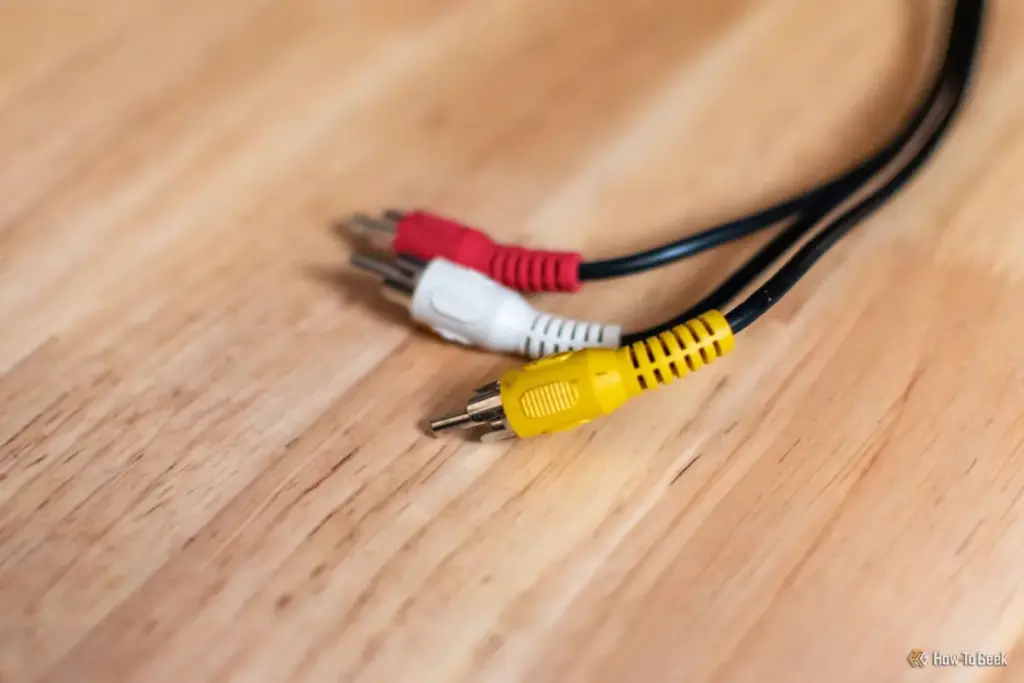
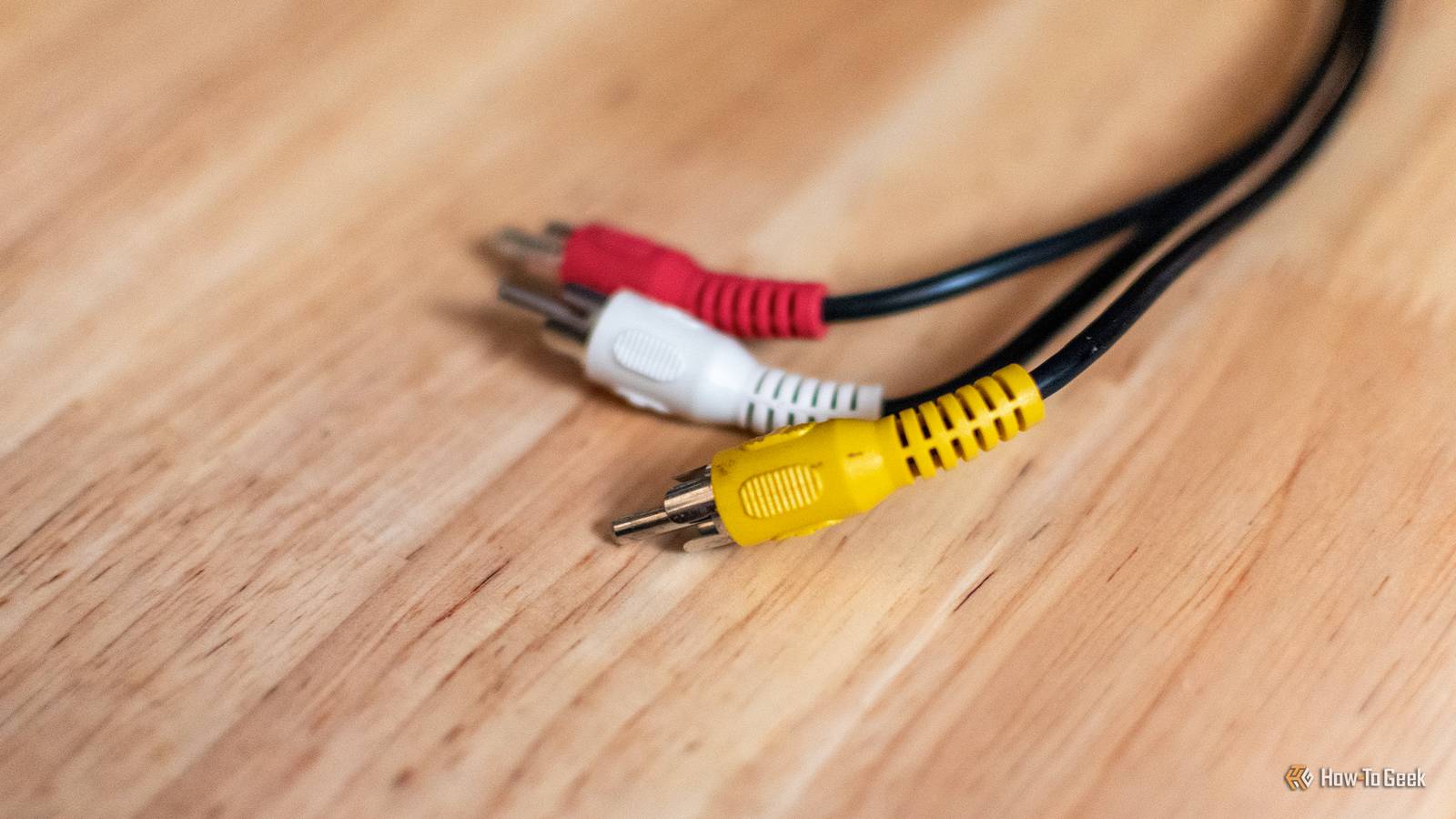
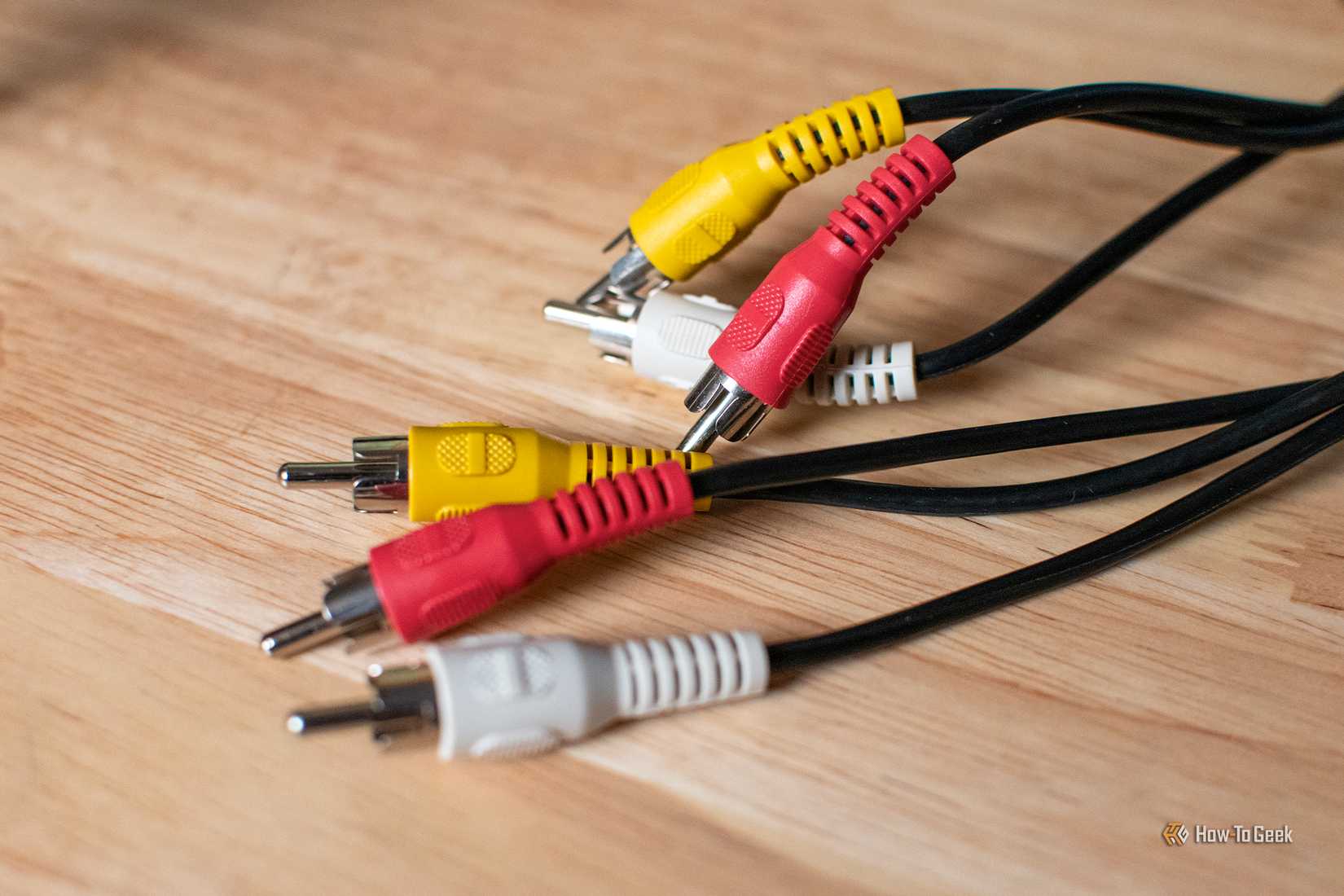
Named after the Radio Corporation of America, which introduced them in the late 1930s, RCA connectors were originally designed to allow phonographs to be connected to radio receivers. For decades, they were the primary way we connected VCRs, DVD players, and gaming consoles to our televisions, typically color-coded in yellow, red, and white.
While HDMI has largely taken over the video duties of the RCA cable, the port remains indispensable in the world of high-end audio. You will still find RCA jacks on the back of modern subwoofers, mixers, and high-fidelity receivers. Their design—a simple friction-fit plug with a central signal pin and an outer grounding ring—is practically indestructible.
RCA ports survive because they are inexpensive to manufacture and provide a reliable connection for "line-level" audio. In the audiophile community, where the purity of the signal path is paramount, the simple analog connection of an RCA cable is often preferred over digital alternatives that require complex processing.

The XLR Port: The Professional’s Choice
Introduced in the 1950s by James H. Cannon, the XLR port (originally the "Cannon X" series) is the gold standard for professional audio. Its three-pin design is not just a matter of aesthetics; it allows for "balanced" audio. By sending two copies of the audio signal out of phase with one another, any electromagnetic interference picked up along the cable can be cancelled out at the receiving end. This makes XLR essential for long cable runs in noisy environments like concert stages or recording studios.
The XLR port also features a mechanical latch, ensuring that a cable cannot be accidentally unplugged—a critical feature during a live broadcast or performance. Additionally, the port supports "Phantom Power," a 48V DC current sent through the cable to power condenser microphones. This eliminates the need for external power supplies or batteries for high-quality recording equipment. Even as digital recording becomes the norm, the physical interface between the microphone and the interface remains firmly rooted in the 1950s.
TOSLINK Optical: Isolation Through Light
In 1983, Toshiba introduced TOSLINK (Toshiba Link), a fiber-optic connection designed to carry digital audio signals. It is easily recognized by its trapezoidal shape and the eerie red glow of the LED inside the port. While it has been partially eclipsed by HDMI’s ability to carry high-bandwidth formats like Dolby Atmos, TOSLINK remains a critical tool for audio enthusiasts.
The primary advantage of TOSLINK is electrical isolation. Because the signal is transmitted as pulses of light rather than electricity, there is no physical metal connection between the two devices. This completely eliminates "ground loops"—the annoying hum or buzz that can occur when different pieces of electronic equipment are connected to different power outlets. For soundbars and mid-range home theater setups, TOSLINK provides a clean, interference-free digital signal that remains more than adequate for standard surround sound.
The 5-Pin DIN MIDI Port: The Language of Music
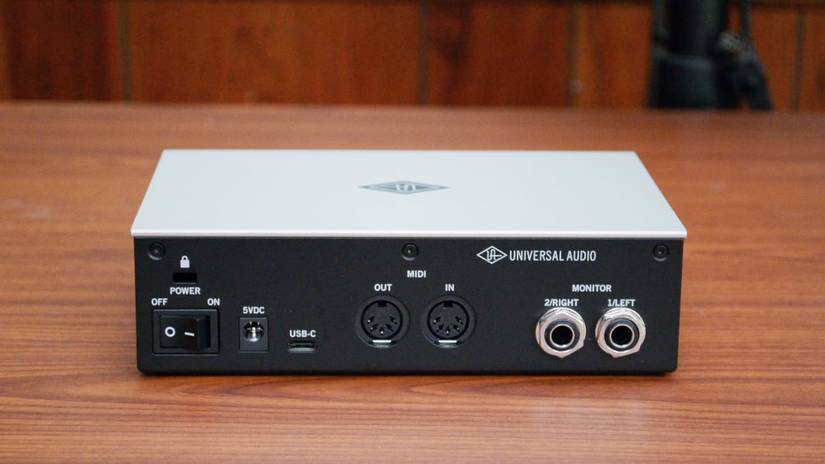
The Musical Instrument Digital Interface (MIDI) port, using a 5-pin DIN connector, was standardized in 1983. It was a revolutionary moment for the music industry, allowing synthesizers, drum machines, and computers from different manufacturers to communicate with one another.
Unlike USB-MIDI, which requires complex software drivers and a host computer, the traditional 5-pin MIDI port is a peer-to-peer connection. This simplicity makes it far more stable for live performances. A keyboard from 1985 can be plugged directly into a synthesizer released in 2024, and they will communicate perfectly. This level of cross-generational compatibility is almost unheard of in other areas of technology, ensuring that the 5-pin DIN port remains a fixture in recording studios worldwide.
VGA: The Analog Workhorse That Won’t Retire
The Video Graphics Array (VGA) port was introduced by IBM in 1987. For over twenty years, it was the primary way we connected PCs to monitors. With its 15-pin "D-sub" connector and thumb-screws for a secure fit, it was a staple of the office environment.
While HDMI and DisplayPort offer much higher resolutions and refresh rates, VGA persists in specific professional niches. It is frequently found on projectors and in server rooms. One of its greatest strengths in these environments is the lack of High-bandwidth Digital Content Protection (HDCP). Digital connections often fail because of a "handshake" error where the screen and the source cannot agree on copy-protection protocols. VGA, being analog, bypasses these digital headaches entirely. If you need to plug a hundred different laptops into a single boardroom projector over the course of a week, VGA is often the most reliable "fallback" option.
The Future of the Past
The longevity of these seven ports invites us to reconsider our definition of progress. We often assume that newer is inherently better, yet the persistence of the 1/4-inch jack or the RCA port suggests that once a standard reaches a certain level of physical and functional efficiency, there is little incentive to change it.
These ports have survived because they are rooted in the laws of physics rather than the whims of software. An analog signal doesn’t care about operating system updates, and a mechanical latch doesn’t need a firmware patch. As we look toward the future, it is worth wondering which of our current "modern" ports will stand the test of time. Will USB-C be around in 150 years, or will it be replaced by a newer, thinner standard? If history is any indication, the most "modern" thing a piece of technology can be is reliable—and in that regard, these seven ports are still leading the way.
 Tech Tutorials & How-To Guides
Navigating the Modern Desktop: Why the ‘This PC’ Icon Remains a Staple for Windows Users
For nearly three decades, the "My Computer" icon served as the digital...
 Tech Tutorials & How-To Guides
The Persistence of Browser Hijackers: How a Tech Expert Used AI to Reclaim Chrome
In the modern digital landscape, the line between a helpful browser extension...
 Tech Tutorials & How-To Guides
Beyond the Workshop: How Ryobi is Leveraging its 18V Ecosystem to Redefine Outdoor Maintenance
In the modern landscape of home improvement, the cordless power tool has...







