
The global semiconductor landscape has been defined in recent months by a persistent and challenging volatility, particularly within the DRAM and NAND flash memory sectors. For consumers and technology enthusiasts, this has translated into a frustrating period of rising costs and dwindling discounts for essential storage components. As manufacturers grapple with supply chain adjustments and a shift in production priorities toward high-demand artificial intelligence infrastructure, the traditional "deal" on high-capacity storage has become an increasingly rare find. However, a notable shift has appeared at retail, offering a reprieve for those looking to expand their digital libraries.
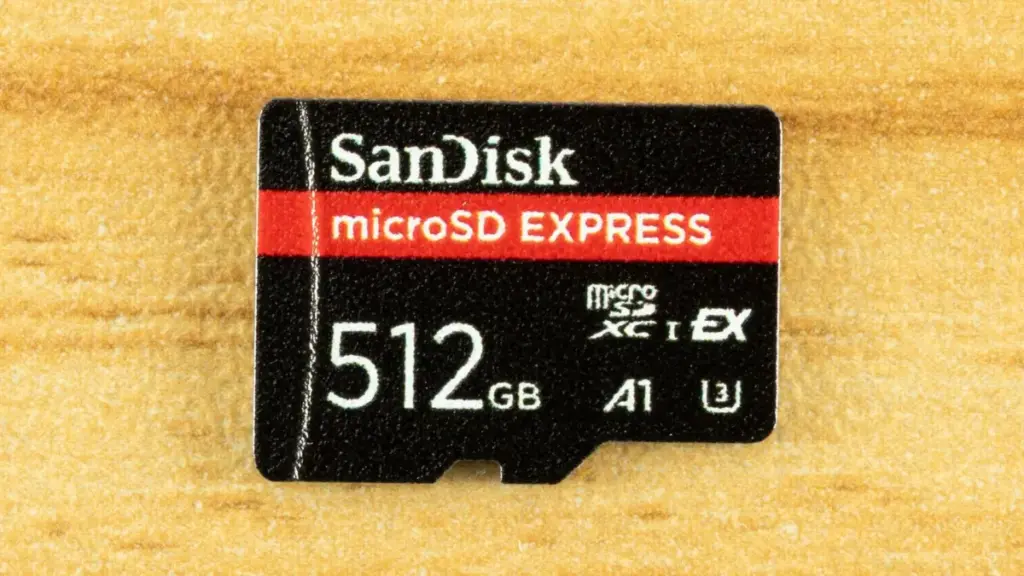
In a move that stands out against the current market trends, Walmart has introduced a substantial price reduction on the SanDisk 512GB GamePlay microSD Express card. Currently listed at $98, the card has dropped well below its standard retail price, which typically fluctuates above the $120 mark. This price point represents one of the most competitive offers seen for this specific model in several months, providing a strategic entry point for gamers and power users who have been waiting for the right moment to upgrade their mobile or console storage.
The timing of this discount is particularly significant given the broader economic pressures affecting the storage industry. For much of the past year, the industry has been navigating what analysts describe as a memory crisis. This situation arose after a period of oversupply led major memory manufacturers to drastically cut production in an attempt to stabilize and eventually raise market prices. Those efforts have largely succeeded from a corporate perspective, but for the end-user, it has meant that the era of dirt-cheap flash storage has, at least temporarily, come to a close. Finding a high-performance card from a reputable brand like SanDisk for under $100 is a development that warrants attention.
To understand the value of this specific offer, one must look at the technical specifications and the positioning of the SanDisk GamePlay microSD Express within the current hierarchy of storage solutions. The "Express" designation is more than just a marketing term; it represents a significant technological leap over the standard microSD cards that have dominated the market for the last decade. While traditional microSD cards rely on the UHS (Ultra High Speed) interface, which is limited by its aging bus architecture, the microSD Express standard utilizes the PCIe and NVMe interfaces. These are the same technologies that power the lightning-fast SSDs found in modern gaming PCs and high-end laptops.
By integrating PCIe Gen 3×1 and NVMe protocols, microSD Express cards are designed to deliver throughput that far exceeds the capabilities of UHS-I or even UHS-II cards. This makes the SanDisk GamePlay series a forward-looking choice. While many current-generation devices, such as the original Nintendo Switch or mid-range smartphones, are still limited to UHS-I speeds, the industry is clearly moving toward these faster standards. The mention of the "Nintendo Switch 2" in the context of this card reflects a growing anticipation among the gaming community that next-generation handheld consoles will require the higher bandwidth provided by Express-class storage to handle more complex game assets and reduce loading times.
The 512GB capacity of the card on sale at Walmart represents what many consider the "sweet spot" for modern gaming. As game file sizes continue to balloon, with many AAA titles exceeding 50GB or even 100GB, the internal storage of most handheld devices is quickly exhausted. A 512GB expansion allows for a substantial library of games to be kept on-device, eliminating the need for frequent uninstalls and redownloads. For a device like a handheld console, where portability and quick access are the primary draws, having a large, fast repository of data is essential to the user experience.
The broader market context for this deal is shaped by the ongoing NAND and DRAM crisis, which has seen prices for memory chips rise steadily throughout the year. Leading manufacturers such as Samsung, SK Hynix, and Micron have shifted much of their focus toward producing High Bandwidth Memory (HBM) to satisfy the insatiable demand from the AI sector. This shift has diverted resources away from the production of standard consumer NAND flash, which is the primary component in microSD cards and SSDs. As supply tightens and manufacturing costs increase, the retail prices for storage products have naturally followed suit.
Furthermore, the industry is seeing a transition in the way NAND is manufactured, moving toward higher-layer counts in 3D NAND technology. While this eventually leads to higher densities and lower costs per gigabit, the initial transition phases often involve yield challenges and capital expenditures that keep prices elevated for the consumer. In this environment, a price drop of more than $20 on a premium SanDisk product is a departure from the prevailing narrative of incremental price hikes.
SanDisk, a brand under the Western Digital umbrella, has long been a dominant force in the removable storage market. Their "GamePlay" branding is intended to signal to consumers that the card is optimized for the specific workloads associated with gaming—namely, high-speed sequential reads for loading levels and reliable performance during sustained use. For gamers, the reliability of the brand is often as important as the speed of the card itself. Data corruption or card failure can result in the loss of dozens of hours of progress, making the choice of a reputable manufacturer a critical part of the purchasing decision.
The retail environment at Walmart has also played a role in making this deal possible. Large-scale retailers often negotiate bulk pricing or utilize specific promotional windows to gain an edge over competitors like Amazon or Best Buy. By pricing the 512GB GamePlay microSD Express card at $98, Walmart is positioning itself as a destination for tech-savvy shoppers who are tracking the market closely. For those who have been monitoring the price history of high-performance microSD cards, the sub-$100 threshold is often seen as a "buy" signal, especially for a card that incorporates the Express standard.
It is also worth noting the logistical advantages of the microSD Express format. Despite the massive increase in potential speed, these cards maintain backward compatibility with traditional microSD slots. This means that a user can purchase the SanDisk 512GB GamePlay card today for use in a current-generation smartphone, camera, or Nintendo Switch, and still benefit from the card’s maximum performance later when they upgrade to a device that fully supports the microSD Express interface. This "future-proofing" aspect is a key selling point, as it ensures the investment remains relevant as hardware evolves.
As the industry looks toward the end of the year, analysts remain divided on whether the memory crisis will ease or intensify. Some suggest that as production yields for new NAND technologies improve, we may see a stabilization of prices. Others warn that the demand for AI-related hardware will continue to cannibalize the supply of consumer-grade memory components, leading to further price increases in 2025. This uncertainty makes current deals like the one at Walmart more attractive, as there is no guarantee that prices will return to these levels in the near future.
The SanDisk 512GB GamePlay microSD Express card represents a intersection of high-end performance and high-capacity storage. In a market where the cost of components is often trending upward, the availability of such a card for $98 is a noteworthy event. It highlights the ongoing importance of retailers in providing competitive pricing even during periods of broader economic strain within the tech industry. For the consumer, it offers a rare chance to secure a piece of high-performance hardware that is ready for both the demands of today’s games and the anticipated requirements of the next generation of portable electronics.
As digital distribution continues to become the primary method for game and software delivery, the role of expandable storage only grows in importance. The ability to quickly and reliably access large volumes of data is no longer a luxury but a necessity for the modern digital lifestyle. While the memory market may remain in a state of flux for the foreseeable future, individual opportunities like this SanDisk offer provide a clear path for users to enhance their devices without overextending their budgets. For those looking to stay ahead of the curve in terms of both capacity and speed, this current retail development at Walmart serves as a significant benchmark in a challenging year for technology pricing.
 Hardware Reviews & PC Building
Unofficial Grand Theft Auto V Browser Port Faces Swift Takedown Following Viral Technical Demonstration
The landscape of modern gaming is often defined by the boundaries of...
 Hardware Reviews & PC Building
Rising Component Costs and AI Demand Create Unprecedented Crisis for Consumer PC Market
The landscape of the consumer PC market is currently navigating a period...
 Hardware Reviews & PC Building
Used Hardware Purchase Leads to Unexpected Valorant Ban for German Gamer as Riot’s Vanguard Flags Secondhand CPU
The secondary market for PC components has long been a haven for...







