
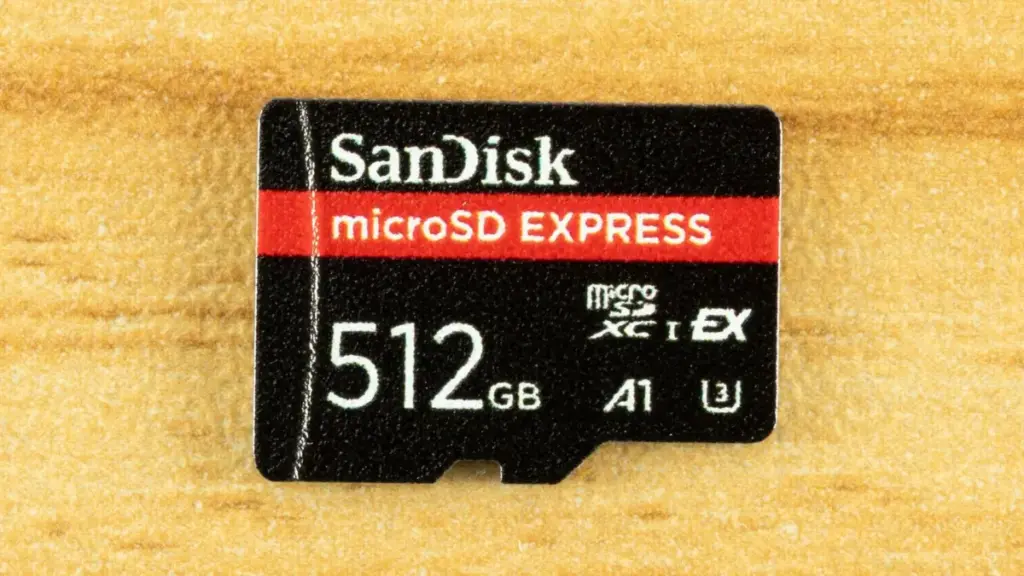
The 512GB capacity of the card on sale at Walmart represents what many consider the "sweet spot" for modern gaming. As game file sizes continue to balloon, with many AAA titles exceeding 50GB or even 100GB, the internal storage of most handheld devices is quickly exhausted. A 512GB expansion allows for a substantial library of games to be kept on-device, eliminating the need for frequent uninstalls and redownloads. For a device like a handheld console, where portability and quick access are the primary draws, having a large, fast repository of data is essential to the user experience.
The broader market context for this deal is shaped by the ongoing NAND and DRAM crisis, which has seen prices for memory chips rise steadily throughout the year. Leading manufacturers such as Samsung, SK Hynix, and Micron have shifted much of their focus toward producing High Bandwidth Memory (HBM) to satisfy the insatiable demand from the AI sector. This shift has diverted resources away from the production of standard consumer NAND flash, which is the primary component in microSD cards and SSDs. As supply tightens and manufacturing costs increase, the retail prices for storage products have naturally followed suit.
Furthermore, the industry is seeing a transition in the way NAND is manufactured, moving toward higher-layer counts in 3D NAND technology. While this eventually leads to higher densities and lower costs per gigabit, the initial transition phases often involve yield challenges and capital expenditures that keep prices elevated for the consumer. In this environment, a price drop of more than $20 on a premium SanDisk product is a departure from the prevailing narrative of incremental price hikes.
SanDisk, a brand under the Western Digital umbrella, has long been a dominant force in the removable storage market. Their "GamePlay" branding is intended to signal to consumers that the card is optimized for the specific workloads associated with gaming—namely, high-speed sequential reads for loading levels and reliable performance during sustained use. For gamers, the reliability of the brand is often as important as the speed of the card itself. Data corruption or card failure can result in the loss of dozens of hours of progress, making the choice of a reputable manufacturer a critical part of the purchasing decision.
The retail environment at Walmart has also played a role in making this deal possible. Large-scale retailers often negotiate bulk pricing or utilize specific promotional windows to gain an edge over competitors like Amazon or Best Buy. By pricing the 512GB GamePlay microSD Express card at $98, Walmart is positioning itself as a destination for tech-savvy shoppers who are tracking the market closely. For those who have been monitoring the price history of high-performance microSD cards, the sub-$100 threshold is often seen as a "buy" signal, especially for a card that incorporates the Express standard.
 Hardware Reviews & PC Building
7-year-old Nvidia Shield TV Pro gets shocking 50% price hike driven by AI memory shortage — chipmaker axes…
The Shield TV Pro has long occupied a unique position in the...
 Hardware Reviews & PC Building
GlobalFoundries to produce silicon interposers for TSMC’s CoWoS in the US — Five-year agreement valued at $2…
The deal establishes a robust, U.S.-based manufacturing source for essential advanced packaging...
 Hardware Reviews & PC Building
Used Hardware Purchase Leads to Unexpected Valorant Ban for German Gamer as Riot’s Vanguard Flags Secondhand CPU
The secondary market for PC components has long been a haven for...







