

The landscape of the smartphone market has undergone a radical transformation over the last half-decade, transitioning from a world of static glass slabs to one where displays can bend, fold, and now, potentially slide. Samsung, the perennial leader in the foldable space, appears to be preparing for its most ambitious hardware cycle to date. While the current generation of foldables has focused on refinement and incremental improvements, new reports suggest that 2027 could mark a paradigm shift for the South Korean tech giant, as it looks to diversify its portfolio with a range of experimental and ultra-premium form factors.
The momentum behind this shift follows the significant success of Samsung’s most recent releases. The Galaxy Z Fold 8, in particular, was met with widespread acclaim, largely due to a design pivot that prioritized a shorter, wider aspect ratio—a move that addressed long-standing consumer complaints regarding the "remote control" feel of previous iterations. This positive reception seems to have emboldened Samsung to move beyond the standard "clamshell" and "book-style" designs that have defined the category since 2019.
According to a series of leaks originating from the tipster known as TheGalox on X, and subsequently detailed by 9to5Google, Samsung is internally preparing for what is being described as its "biggest foldable lineup ever" for the 2027 calendar year. This expansion is expected to include not only the successors to the current Z Fold and Z Flip lines but also entirely new categories of mobile devices that have, until now, only existed as prototypes behind the glass of trade show booths.
The Return of the Tri-Fold and the Premium Tier Shift
At the heart of these rumors is the resurrection of the tri-fold concept. The leak suggests that the Galaxy Z TriFold 2 could serve as the vanguard for Samsung’s 2027 onslaught. For those following the industry closely, the "2" designation is particularly interesting, as it implies a direct lineage from a predecessor that had a famously brief lifespan. Samsung’s original foray into the tri-fold market was reportedly halted just three months into production, likely due to the immense engineering challenges associated with a dual-hinge system and the durability of a display that must fold in multiple directions.
However, the industry landscape is changing. With competitors like Huawei already pushing the boundaries of tri-fold technology in international markets, and Apple rumored to be exploring a "Duo" concept for its future iPhone lineup, Samsung is under pressure to reassert its dominance. The rumored Galaxy Z TriFold 2 is expected to be a showcase of Samsung’s latest engineering prowess, featuring a design that is significantly thinner, lighter, and more durable than any previous multi-fold prototype.
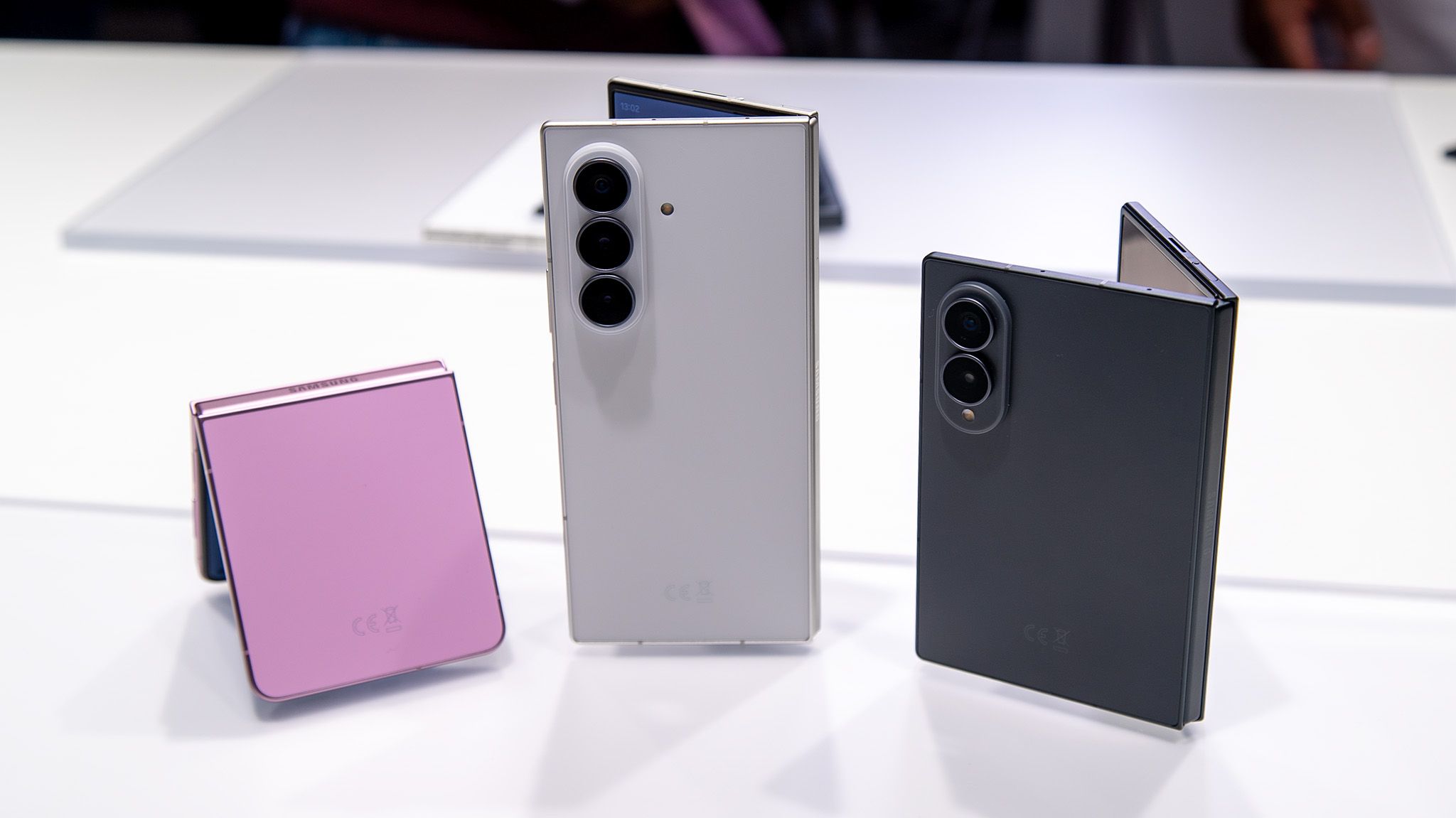
Such innovation, however, is expected to come with a steep barrier to entry. Early pricing rumors suggest the TriFold 2 could debut with a price tag in the neighborhood of $2,800. This would position it not as a mainstream consumer device, but as a "super-premium" halo product intended for early adopters and power users who require a tablet-sized canvas that can still fit into a pocket.
In addition to the tri-fold, Samsung is reportedly looking to further segment its traditional book-style foldable line. Currently, the company offers the Galaxy Z Fold 8 and a more premium Galaxy Z Fold 8 Ultra. The 2027 lineup could see the introduction of a "Galaxy Z Fold 9 Pro." The exact positioning of a "Pro" model between a standard Fold 9 and a Fold 9 Ultra remains a subject of intense speculation. It is possible that Samsung intends to mirror its S-series strategy, offering a base model, a Pro model with enhanced productivity features or S-Pen integration, and an Ultra model that serves as the absolute pinnacle of mobile hardware.
Sliding into 2027?
Perhaps the most intriguing revelation from the recent leaks is the mention of a device currently dubbed the "Galaxy Z Slide." While the Galaxy Z Flip 9 is expected to remain the accessible entry point for most consumers, the Z Slide represents a departure from the folding mechanism entirely, opting instead for a rollable or extendable display.
The concept of a "slidable" phone is not entirely new, but it has remained elusive in terms of mass-market production. To understand where Samsung might be headed with the Z Slide, one must look back at the technological showcases provided by Samsung Display at CES 2025. During that event, the company’s display manufacturing arm showcased several "Slidable Flex" prototypes that provided a glimpse into the future of mobile ergonomics.
Among the concepts shown were the "Slidable Flex Solo" and the "Slidable Flex Duet." The Solo concept featured a screen that could expand from a traditional smartphone size to a larger tablet format by sliding out from one side. The Duet, however, was even more ambitious, allowing users to pull the display out from both the left and right sides. In its compact form, the Duet functioned as an 8-inch tablet, but when fully extended, it transformed into a massive 12.4-inch workstation.
The appeal of a slidable device over a foldable one lies in the elimination of the "crease"—the persistent physical line that occurs where a screen folds. By using a motorized or manual rolling mechanism, the display remains flat, potentially offering a more seamless viewing experience. Furthermore, a slidable device allows for a more granular control over screen real estate; a user could slide the screen out just an inch or two to reveal notifications or a sidebar, or extend it fully for media consumption.
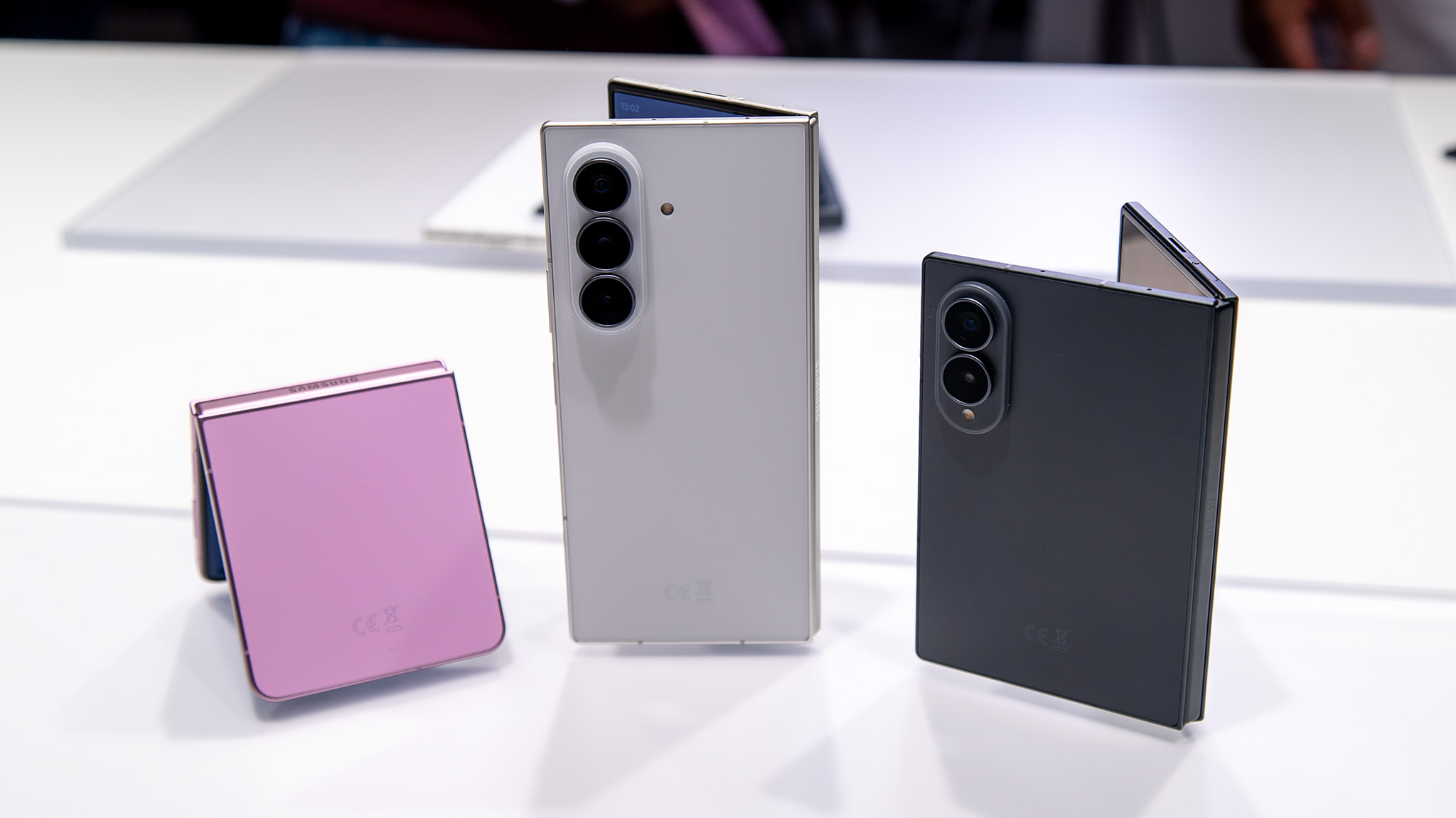
However, the transition from a trade show prototype to a consumer-ready product is fraught with difficulty. Slidable devices require complex internal motors and tracks, which can be prone to mechanical failure or the ingress of dust and debris. If Samsung does indeed bring the Galaxy Z Slide to market in 2027, it will represent one of the most significant mechanical engineering feats in the history of the mobile industry.
Market Context and the Practicality of Innovation
The timing of these rumored releases is no coincidence. The mobile industry is currently navigating a period of plateauing hardware specs, where traditional smartphones offer diminishing returns in terms of year-over-year performance gains. Foldables and rollables represent the new frontier of growth, offering a hardware-based reason for consumers to upgrade.
The success of the Galaxy Z Fold 8 proved that there is a healthy appetite for these devices when the ergonomics are right. By making the device shorter and wider, Samsung made the exterior "cover screen" feel like a normal smartphone, reducing the friction of having to unfold the device for every minor task. This lesson in practicality is likely guiding the development of the 2027 lineup.
However, as the "Android Central Take" suggests, the ultimate hurdle for these devices remains the balance between being "cool" and being "practical." While a 12-inch sliding screen or a $2,800 tri-fold phone sounds like a dream for tech enthusiasts, the average consumer is increasingly concerned with durability and value. As component costs rise and the prices of flagship phones continue to skyrocket, Samsung will need to convince the public that these new form factors provide genuine utility that justifies their premium.
There is also the question of software. A tri-fold device or a slidable screen requires an operating system that can intelligently adapt to varying aspect ratios on the fly. Samsung has worked closely with Google to optimize Android for foldables, but a device that can shift between three or four different screen sizes presents a new set of challenges for app developers.
As 2027 approaches, the industry will be watching closely to see if Samsung can successfully manage such a diverse and complex lineup. If the rumors hold true, the "Galaxy Z" brand is about to expand far beyond its current boundaries, moving from a niche category into a comprehensive ecosystem of versatile mobile hardware. Whether the world is ready for a $2,800 tri-fold or a sliding tablet-phone remains to be seen, but Samsung appears ready to bet big on the idea that the future of mobile is anything but flat.
 Mobile Device Management (MDM) & Mobile OS
Samsung Galaxy Buds 4 Pro See Significant Price Cut in Early Black Friday Promotion as Sales Reach New Milestones
In the modern mobile landscape, the purchase of a flagship smartphone is...
 Mobile Device Management (MDM) & Mobile OS
Google’s New Vision for Computing: A Hands-On Look at the First Generation of Googlebooks
For years, the tech industry has buzzed with rumors that Google was...
 Mobile Device Management (MDM) & Mobile OS
Beyond Simple Blocking: How AI-Powered Context is Redefining Digital Safety for the Modern Parent
In the contemporary landscape of parenting, the mandate to protect one’s children...







