

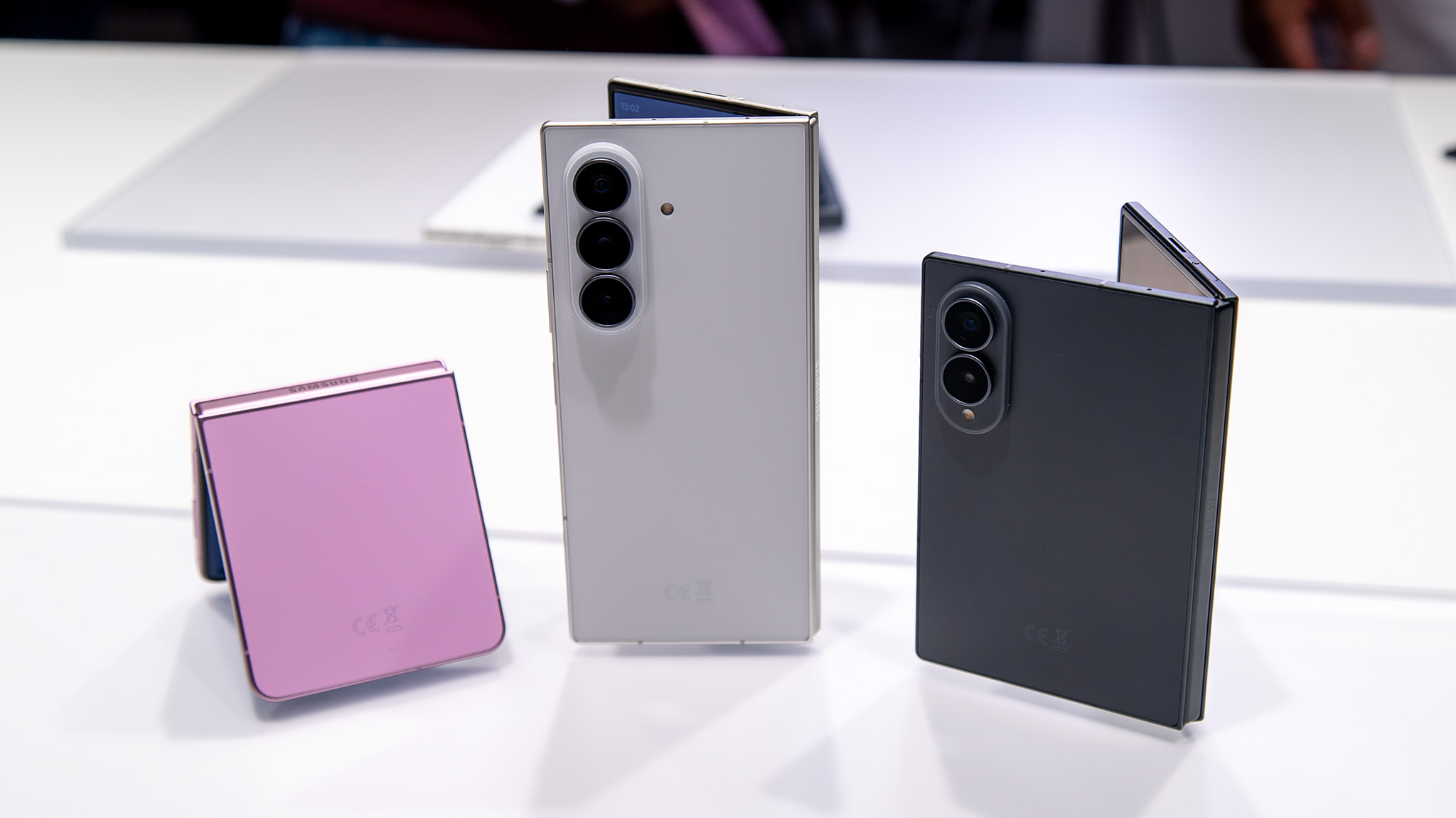
In addition to the tri-fold, Samsung is reportedly looking to further segment its traditional book-style foldable line. Currently, the company offers the Galaxy Z Fold 8 and a more premium Galaxy Z Fold 8 Ultra. The 2027 lineup could see the introduction of a "Galaxy Z Fold 9 Pro." The exact positioning of a "Pro" model between a standard Fold 9 and a Fold 9 Ultra remains a subject of intense speculation. It is possible that Samsung intends to mirror its S-series strategy, offering a base model, a Pro model with enhanced productivity features or S-Pen integration, and an Ultra model that serves as the absolute pinnacle of mobile hardware.
Sliding into 2027?
Perhaps the most intriguing revelation from the recent leaks is the mention of a device currently dubbed the "Galaxy Z Slide." While the Galaxy Z Flip 9 is expected to remain the accessible entry point for most consumers, the Z Slide represents a departure from the folding mechanism entirely, opting instead for a rollable or extendable display.
The concept of a "slidable" phone is not entirely new, but it has remained elusive in terms of mass-market production. To understand where Samsung might be headed with the Z Slide, one must look back at the technological showcases provided by Samsung Display at CES 2025. During that event, the company’s display manufacturing arm showcased several "Slidable Flex" prototypes that provided a glimpse into the future of mobile ergonomics.
Among the concepts shown were the "Slidable Flex Solo" and the "Slidable Flex Duet." The Solo concept featured a screen that could expand from a traditional smartphone size to a larger tablet format by sliding out from one side. The Duet, however, was even more ambitious, allowing users to pull the display out from both the left and right sides. In its compact form, the Duet functioned as an 8-inch tablet, but when fully extended, it transformed into a massive 12.4-inch workstation.
The appeal of a slidable device over a foldable one lies in the elimination of the "crease"—the persistent physical line that occurs where a screen folds. By using a motorized or manual rolling mechanism, the display remains flat, potentially offering a more seamless viewing experience. Furthermore, a slidable device allows for a more granular control over screen real estate; a user could slide the screen out just an inch or two to reveal notifications or a sidebar, or extend it fully for media consumption.
However, the transition from a trade show prototype to a consumer-ready product is fraught with difficulty. Slidable devices require complex internal motors and tracks, which can be prone to mechanical failure or the ingress of dust and debris. If Samsung does indeed bring the Galaxy Z Slide to market in 2027, it will represent one of the most significant mechanical engineering feats in the history of the mobile industry.
 Mobile Device Management (MDM) & Mobile OS
Vivo Unveils X500 Series in Shanghai Featuring 8,000mAh Battery and MediaTek’s 2nm Dimensity 9600 Pro
Vivo has officially pulled back the curtain on its latest flagship smartphone...
 Mobile Device Management (MDM) & Mobile OS
Vivo Rumored to be Developing a Compact "Wide Fold" Smartphone Targeted for 2027 Release
The landscape of the foldable smartphone market has undergone a dramatic transformation...
 Mobile Device Management (MDM) & Mobile OS
TCL NXTPAPER 11 Plus Drops Below $200, Offering a Compelling Android Alternative to Traditional E-Readers
For years, the choice for digital readers has been a binary one:...







