
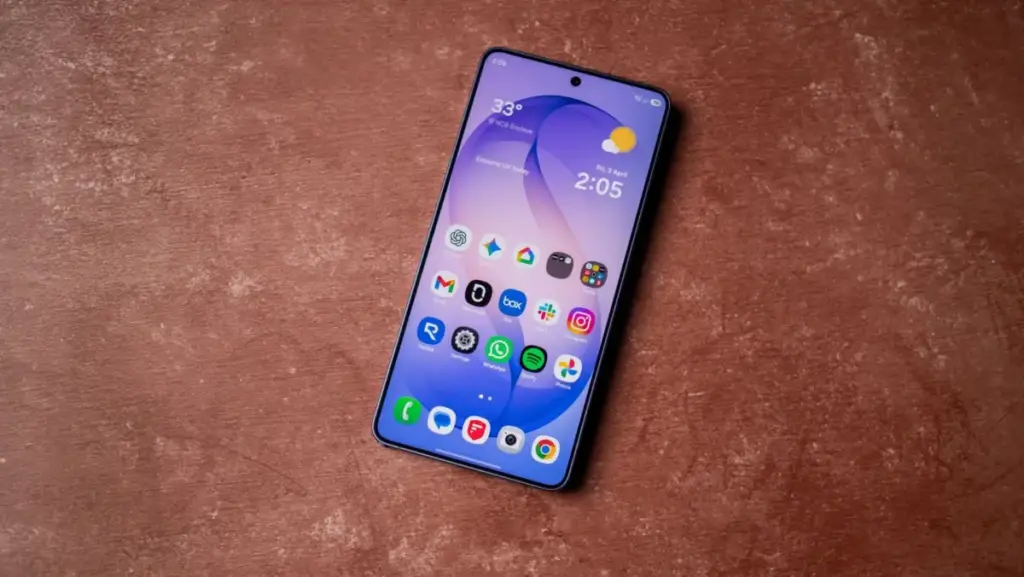
The launch of a major operating system update is traditionally a moment of excitement for smartphone enthusiasts, promising a refined user interface, enhanced security protocols, and a suite of new features. For owners of Samsung’s flagship Galaxy S26 Ultra, the transition to Android 17 and the accompanying One UI 9 was expected to be a milestone in the device’s lifecycle. However, for a growing number of users, this milestone has turned into a significant technical hurdle. Reports are emerging of a critical software bug that effectively "kneecaps" the premium handset, leaving users unable to access their home screens or utilize the device’s core functions.
The issue, which appears to manifest immediately after the installation of the One UI 9.0 update, has left many of Samsung’s most loyal customers frustrated. Instead of the polished, AI-driven experience promised by the new software, some users are greeted by a black screen or a persistent, debilitating error message that prevents the device from completing its startup sequence. This development is particularly concerning given the Galaxy S26 Ultra’s position as the pinnacle of Samsung’s mobile engineering, where stability and performance are expected to be paramount.
The Anatomy of a Startup Failure
The first significant indications of the problem surfaced on Samsung’s official community forums in South Korea. A user report, which has since gained traction across the tech community, detailed a harrowing experience following the OS upgrade. According to the report, the Galaxy S26 Ultra enters a state where the traditional home screen fails to load entirely. Instead, the display remains black, interrupted only by a cryptic system message stating, “The webpage is unavailable… for the following reasons.”
This error appears to be tied to the device’s initial handshake with Samsung’s services following a reboot or update. Because the modern Android experience is deeply integrated with cloud-based accounts and authentication, a failure in the "webpage" responsible for displaying terms of service or login prompts can effectively soft-brick the device. The user noted that despite multiple attempts to bypass the screen, the phone remained unresponsive to standard navigation gestures, rendering the high-end hardware little more than an expensive paperweight.
Samsung’s development team was quick to acknowledge the report, providing some clarity on the underlying cause. According to the company’s official response, the issue is not necessarily a hardware defect but a software conflict involving the "System WebView." WebView is a core component of the Android operating system that allows applications to display web content without opening a dedicated browser. Samsung’s engineers confirmed that the error occurs when the device attempts to use an "unstable system WebView" while connected to certain types of network configurations.
To mitigate the issue, Samsung has issued a specific troubleshooting guide for those currently trapped in the startup loop. The company suggests that affected users ensure their primary web browser—specifically Google Chrome—is updated to the latest version, as WebView is often updated in tandem with the browser. Furthermore, Samsung recommends that users avoid using cellular data during the initial setup or login process following the update. Instead, switching to a stable Wi-Fi network appears to provide a more reliable connection for the necessary system handshakes, potentially allowing users to log into their Samsung Accounts and regain access to their devices.
A Pattern of Instability in One UI 9
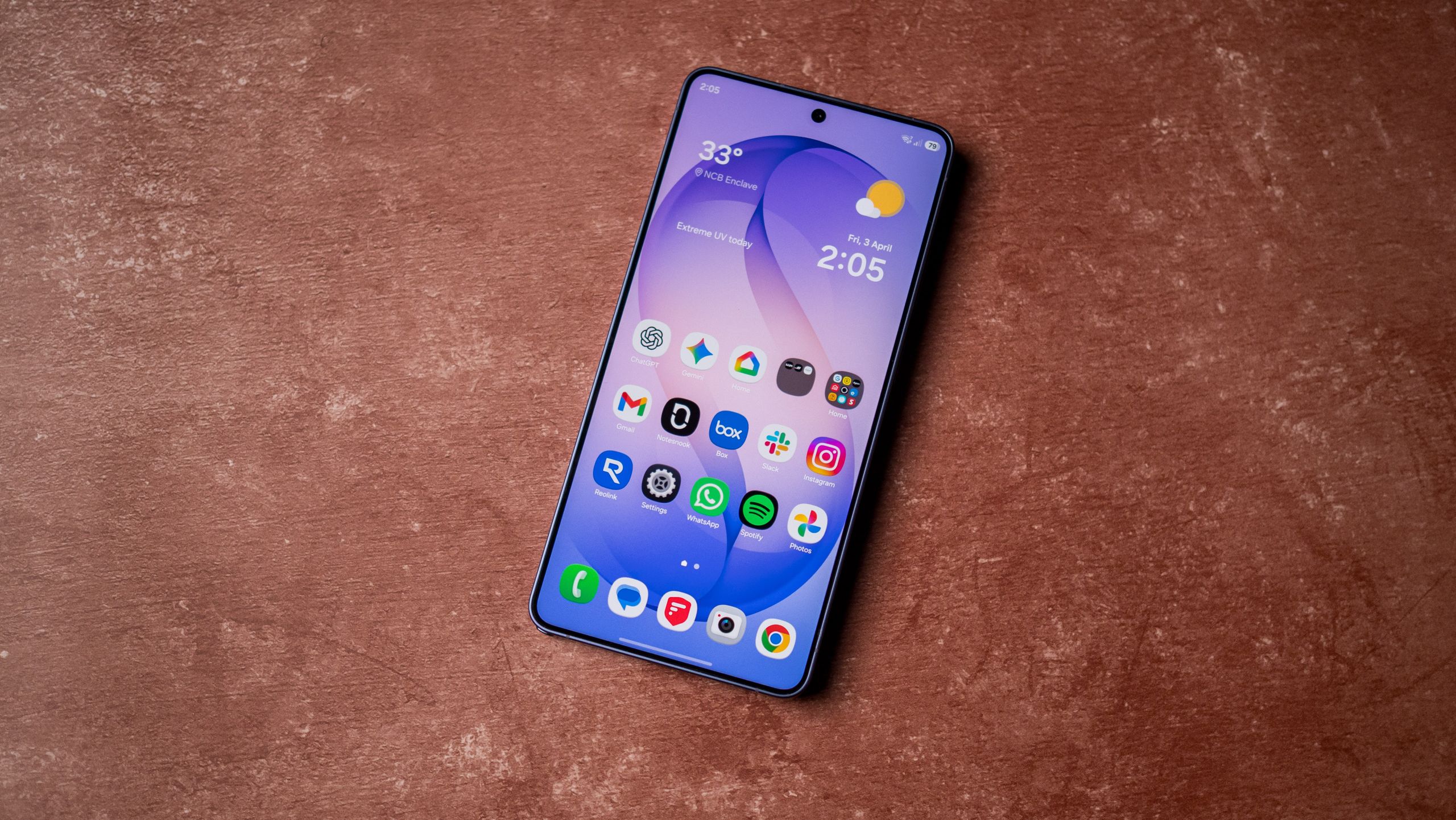
While the "Webpage Unavailable" error is the latest high-profile bug to hit the Galaxy S26 Ultra, it is not the only issue plaguing the One UI 9 rollout. The broader release of Samsung’s Android 17-based software has been described by some as uncharacteristically "rocky." Just weeks prior to the reports from Korea, a different but equally disruptive bug began circulating on platforms like Reddit, affecting a wider range of the Galaxy ecosystem.
Users across various regions reported encountering an "XML Access Denied" error shortly after updating their devices. This particular bug was not limited to the S26 Ultra; it also impacted owners of the Galaxy S24 and S25 series, suggesting a deeper systemic issue within the One UI 9 code. The XML error reportedly caused devices to freeze entirely, often during the transition from the boot animation to the lock screen.
The community-led response to the XML error highlights the desperation of users trying to restore functionality to their phones. On Reddit, various workarounds were shared, with varying degrees of success. One user discovered that physically removing the SIM card from the device allowed the phone to bypass the network-check phase that triggered the freeze. Once the device reached the home screen, the SIM could be reinserted. Another segment of the user base found relief by booting the phone into "Safe Mode" and ensuring that Wi-Fi was disabled before attempting a standard restart.
These manual, technical workarounds are far from the seamless experience Samsung aims to provide. The fact that users have had to resort to removing hardware components or navigating recovery menus to use their phones after an official update suggests a significant gap in the final quality assurance phase of the software’s development.
Delays and Disappointment
The frustration surrounding these bugs is amplified by the fact that the One UI 9 update was already subject to several high-profile delays. Throughout the summer and early autumn, Samsung users watched as other manufacturers began rolling out Android 17 betas and stable builds, while the Galaxy update remained in a state of flux. Samsung had originally been expected to release the update earlier in the year, but the timeline was repeatedly pushed back, reportedly to allow for more refinement of the new "Galaxy AI" features and system animations.
In late September, the wait appeared to be over when the Galaxy S26 series finally began receiving the stable update in the United States. T-Mobile customers were among the first to report the arrival of the 4GB download, which was followed shortly by rollouts for other major carriers and unlocked variants. The massive size of the update—nearly 4GB—indicated a total overhaul of the system architecture, which may explain why such deep-seated bugs managed to slip through the cracks.
In the weeks following the flagship launch, Samsung extended the update to its more affordable "A" series and older flagship models, including the Galaxy S25 and S24. However, with each new wave of the rollout, reports of stability issues have persisted, casting a shadow over what should have been a celebratory release for the world’s largest smartphone manufacturer.
The High Cost of Software Ambition
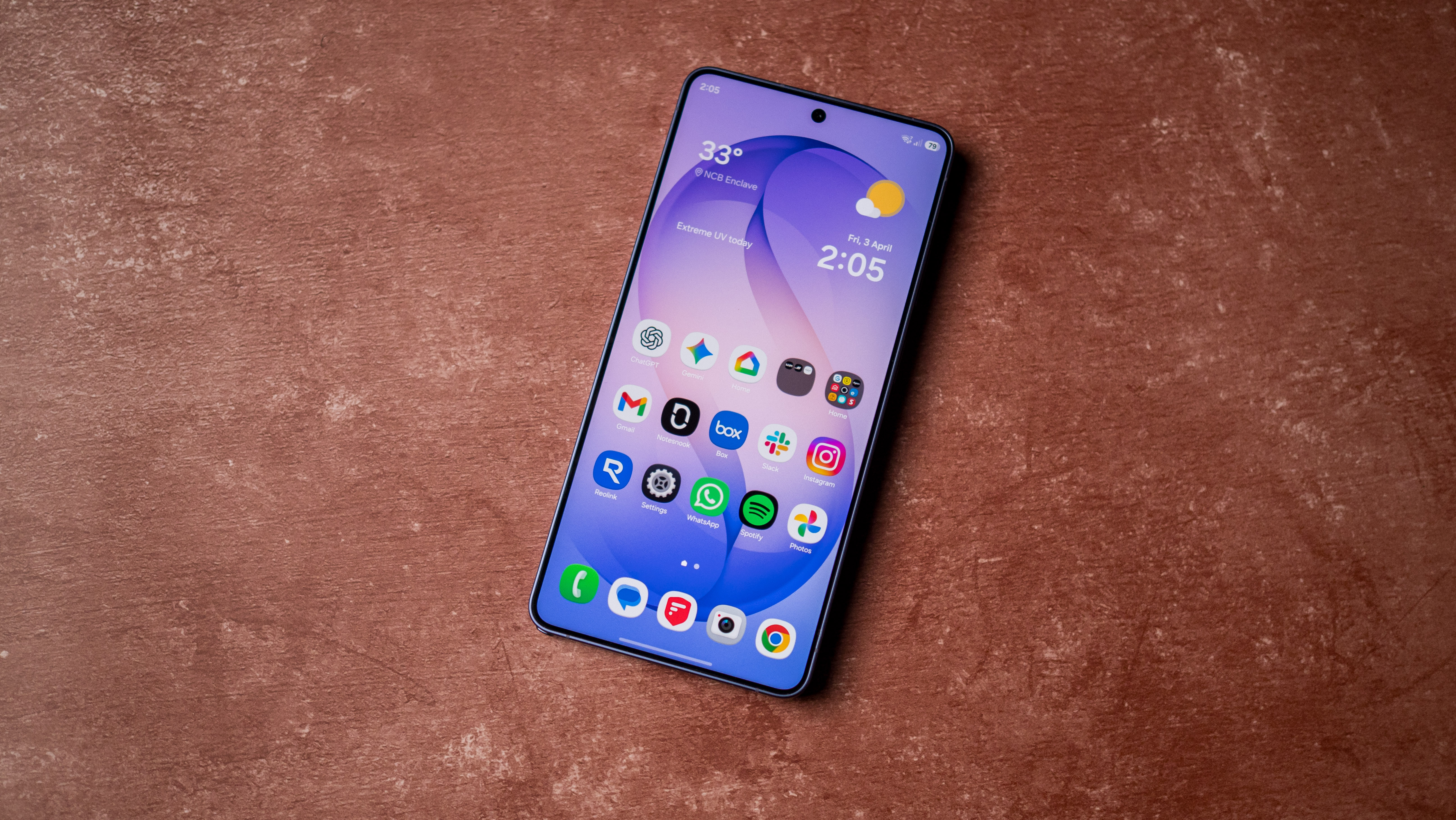
From a broader industry perspective, the issues facing the Galaxy S26 Ultra highlight a growing tension in the smartphone market: the balance between rapid innovation and software stability. As Samsung pushes the boundaries of what a phone can do—integrating complex AI models, sophisticated multitasking tools, and deep ecosystem connectivity—the "attack surface" for software bugs grows exponentially.
One UI 9 is more than just an interface update; it represents Samsung’s attempt to unify its hardware prowess with a smarter, more predictive software experience. However, when core components like the System WebView or account authentication protocols fail, the entire edifice crumbles. For the user who has spent over a thousand dollars on a flagship device, the technical reason for a black screen is often secondary to the immediate reality of being unable to use their primary communication tool.
There is a growing sentiment among the tech community that the industry’s shift toward annual, feature-heavy OS updates may be reaching a breaking point. When manufacturers are pressured to meet rigid release cycles while also integrating "revolutionary" new features, the time available for rigorous, real-world testing is inevitably squeezed. In this case, the delays that were intended to polish One UI 9 do not seem to have been sufficient to catch critical errors that trigger upon the very first boot of the new software.
Looking Ahead: The Path to a Fix
As of now, Samsung has not confirmed a specific date for a comprehensive "hotfix" update to address the WebView and XML errors permanently. While the current troubleshooting steps—updating Chrome, using Wi-Fi, and toggling Safe Mode—provide a temporary lifeline for some, they are not a substitute for a stable firmware patch.
For Galaxy S26 Ultra users who have not yet hit the "update" button, the current situation serves as a cautionary tale. It is often advisable to wait a few weeks after a major OS release to see how the software performs in the wild, particularly when the update involves a jump to a new version of Android. For those already affected, the best course of action remains following Samsung’s official forum advice while keeping a close eye on the "Software Update" section of their settings menu for an incoming patch.
Samsung’s reputation for long-term software support remains one of its strongest selling points, but that reputation relies on the quality of the updates provided. As the company works to iron out the kinks in One UI 9, the focus will undoubtedly be on restoring the trust of its flagship users, who expect their devices to be as reliable as they are powerful. For now, the Galaxy S26 Ultra remains a marvel of hardware caught in a temporary, but frustrating, software storm.
 Mobile Device Management (MDM) & Mobile OS
Samsung One UI 9 Update Reportedly Linked to Severe Battery Drain and Setup Errors Across Galaxy Flagships
Samsung has maintained an aggressive pace in its software deployment cycle throughout...
 Mobile Device Management (MDM) & Mobile OS
Amazon Slashes Price of Alexa Tablet 8 to Under £100 in Aggressive Early Black Friday Promotion
The landscape of consumer technology in 2026 has been defined by a...
 Mobile Device Management (MDM) & Mobile OS
YouTube Premium Reportedly Eyes Audiobook Expansion as Google Seeks to Rival Spotify and Audible
The digital streaming landscape is on the verge of another significant shift...







