
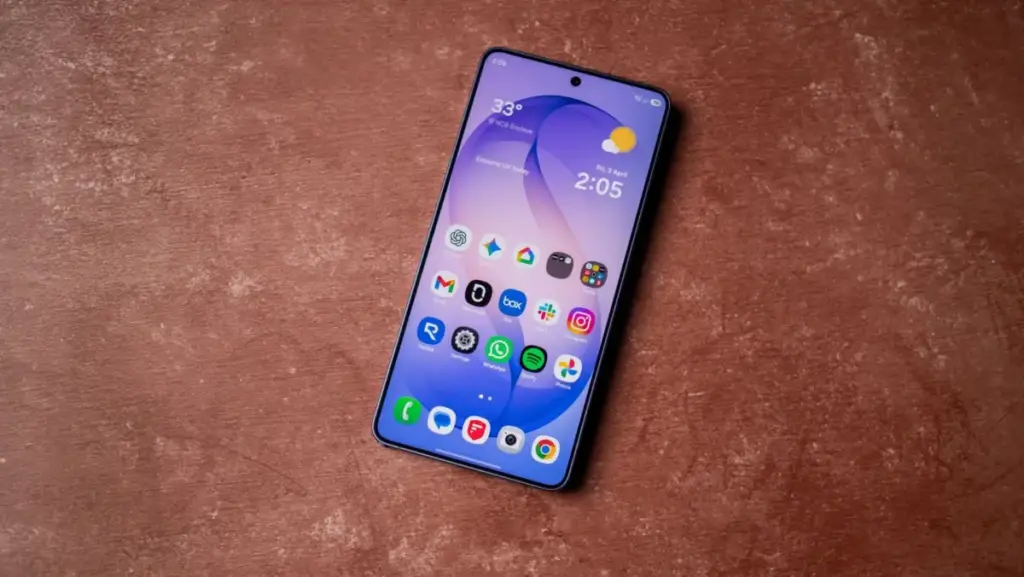
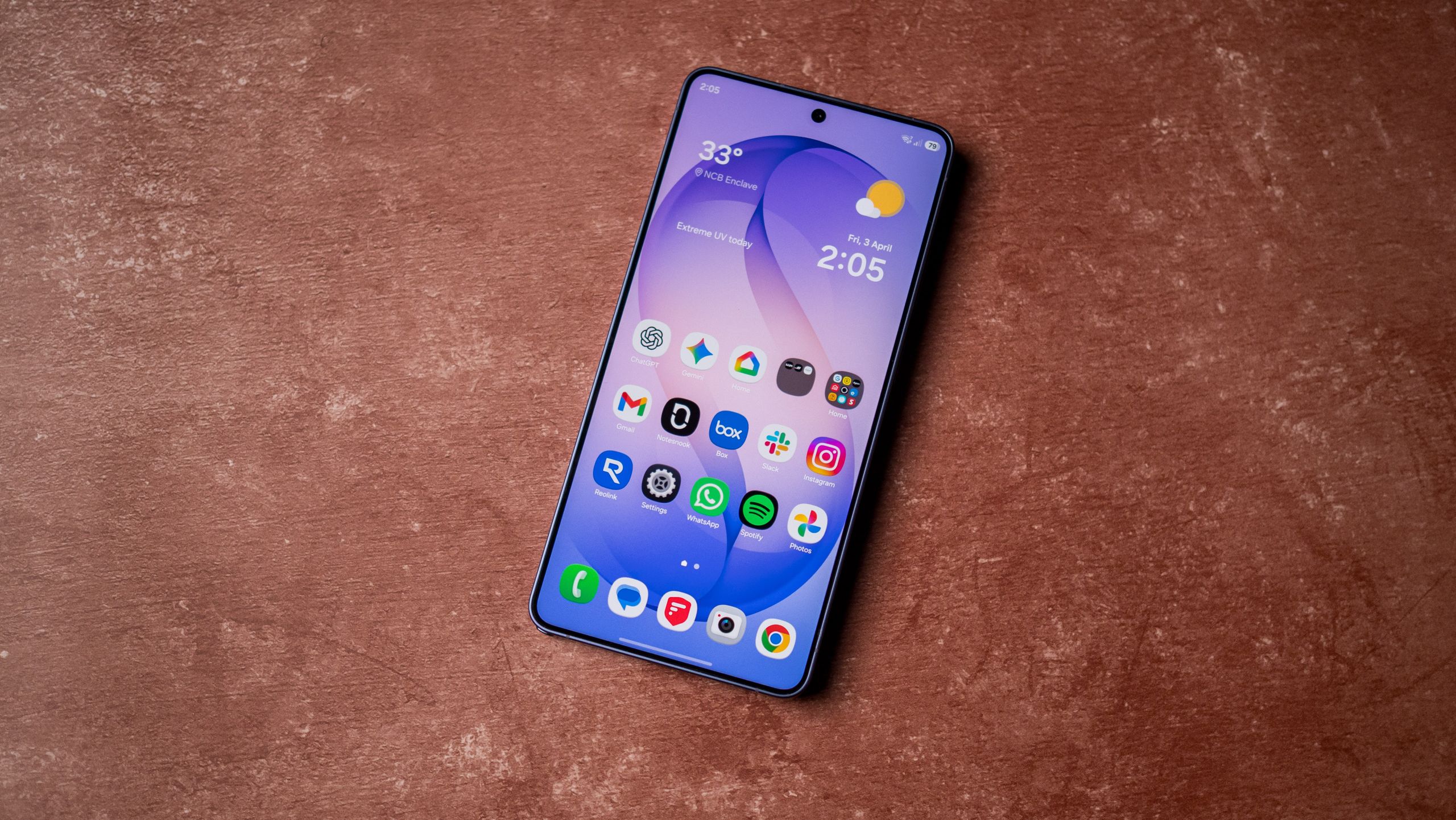
While the "Webpage Unavailable" error is the latest high-profile bug to hit the Galaxy S26 Ultra, it is not the only issue plaguing the One UI 9 rollout. The broader release of Samsung’s Android 17-based software has been described by some as uncharacteristically "rocky." Just weeks prior to the reports from Korea, a different but equally disruptive bug began circulating on platforms like Reddit, affecting a wider range of the Galaxy ecosystem.
Users across various regions reported encountering an "XML Access Denied" error shortly after updating their devices. This particular bug was not limited to the S26 Ultra; it also impacted owners of the Galaxy S24 and S25 series, suggesting a deeper systemic issue within the One UI 9 code. The XML error reportedly caused devices to freeze entirely, often during the transition from the boot animation to the lock screen.
The community-led response to the XML error highlights the desperation of users trying to restore functionality to their phones. On Reddit, various workarounds were shared, with varying degrees of success. One user discovered that physically removing the SIM card from the device allowed the phone to bypass the network-check phase that triggered the freeze. Once the device reached the home screen, the SIM could be reinserted. Another segment of the user base found relief by booting the phone into "Safe Mode" and ensuring that Wi-Fi was disabled before attempting a standard restart.
These manual, technical workarounds are far from the seamless experience Samsung aims to provide. The fact that users have had to resort to removing hardware components or navigating recovery menus to use their phones after an official update suggests a significant gap in the final quality assurance phase of the software’s development.
Delays and Disappointment
The frustration surrounding these bugs is amplified by the fact that the One UI 9 update was already subject to several high-profile delays. Throughout the summer and early autumn, Samsung users watched as other manufacturers began rolling out Android 17 betas and stable builds, while the Galaxy update remained in a state of flux. Samsung had originally been expected to release the update earlier in the year, but the timeline was repeatedly pushed back, reportedly to allow for more refinement of the new "Galaxy AI" features and system animations.
In late September, the wait appeared to be over when the Galaxy S26 series finally began receiving the stable update in the United States. T-Mobile customers were among the first to report the arrival of the 4GB download, which was followed shortly by rollouts for other major carriers and unlocked variants. The massive size of the update—nearly 4GB—indicated a total overhaul of the system architecture, which may explain why such deep-seated bugs managed to slip through the cracks.
In the weeks following the flagship launch, Samsung extended the update to its more affordable "A" series and older flagship models, including the Galaxy S25 and S24. However, with each new wave of the rollout, reports of stability issues have persisted, casting a shadow over what should have been a celebratory release for the world’s largest smartphone manufacturer.
 Mobile Device Management (MDM) & Mobile OS
Samsung Reportedly Shifts Strategy Toward Premium Devices as Rising Component Costs Squeeze Budget Smartphone Margins
Samsung Electronics, the world’s largest smartphone manufacturer by volume, is reportedly preparing...
 Mobile Device Management (MDM) & Mobile OS
Google Transforms Search Experience with Gemini 4 Hydrogen Integration, Prioritizing Visual Context and Intent Recognition
In a significant move to redefine the landscape of digital information retrieval,...
 Mobile Device Management (MDM) & Mobile OS
Beyond Simple Blocking: How AI-Powered Context is Redefining Digital Safety for the Modern Parent
In the contemporary landscape of parenting, the mandate to protect one’s children...







