
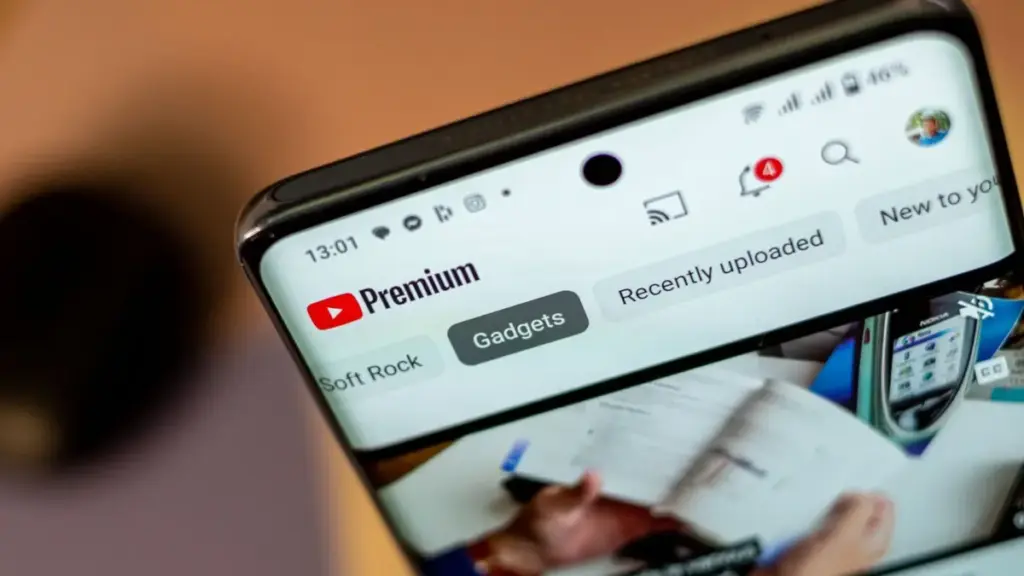
The digital streaming landscape is on the verge of another significant shift as YouTube, the world’s largest video-sharing platform, reportedly prepares to enter the highly competitive audiobook market. According to recent industry rumors and a report from the Wall Street Journal, Google is exploring the integration of audiobooks into its YouTube Premium subscription service. This move would represent a major expansion of YouTube’s value proposition, potentially positioning it as a direct competitor to established giants like Amazon’s Audible and Spotify.
The report suggests that Google has already initiated preliminary discussions with major book publishers to bring a vast library of titles to the platform. While the plans appear to be in the early stages, the projected timeline for a formal launch is currently set for 2027. This multi-year lead time indicates that Google is looking to navigate the complex licensing and royalty structures that define the publishing industry before making a definitive move into the space.
A Strategic Pivot Toward Long-Form Audio
YouTube Premium, which currently costs subscribers approximately $16 per month in the United States, has historically focused on two primary benefits: an ad-free viewing experience and access to YouTube Music. However, as the subscription market becomes increasingly crowded and consumers face "subscription fatigue," platforms are under pressure to offer more diversified content to justify their monthly fees.
The inclusion of audiobooks would be a logical progression for YouTube. The platform has already transitioned from a simple video repository into a multifaceted media hub that includes music streaming, original series, and, more recently, a significant push into the podcasting sector. By folding audiobooks into the Premium tier, Google could create an "all-in-one" entertainment bundle that rivals the comprehensive offerings of its competitors.
Industry analysts suggest that the 2027 target date reflects the difficulty of reaching agreements with the "Big Five" publishers—Penguin Random House, Hachette, HarperCollins, Macmillan, and Simon & Schuster. These entities have traditionally been protective of their digital rights, particularly regarding subscription models that might cannibalize individual sales on platforms like Audible or Apple Books.
Addressing the YouTube "Piracy" and AI Problem
One of the most compelling reasons for YouTube to formalize an audiobook offering is the platform’s existing, albeit unofficial, relationship with the medium. For years, YouTube has served as a primary destination for listeners seeking audiobooks, often through unauthorized uploads.
Data highlighted by industry observers, including reports from GoodEReader, suggests that as many as 45% of audiobook listeners currently use YouTube to consume books. However, a significant portion of this content exists in a legal and quality-control gray area. Many of the "audiobooks" currently available on the platform are not authentic studio recordings narrated by professional voice actors. Instead, they are often AI-generated narrations—text-to-speech versions of copyrighted books uploaded by third-party creators.
These AI-narrated uploads present a dual problem for Google. First, they often infringe on the intellectual property of authors and publishers, leading to a constant cycle of copyright strikes and takedown notices. Second, they provide a sub-par user experience compared to the high-production standards of professional audiobooks.
 Mobile Device Management (MDM) & Mobile OS
Meta Revolutionizes Digital Presence with Hyper-Realistic AI Holograms for WhatsApp and VR
For decades, the concept of the hologram has been a staple of...
 Mobile Device Management (MDM) & Mobile OS
Samsung Announces Shutdown of Samsung Sound App as Part of Broader Ecosystem Consolidation
Samsung is continuing its aggressive efforts to streamline its mobile and smart...
 Mobile Device Management (MDM) & Mobile OS
Motorola Signals a High-End Return to North America with the Snapdragon-Powered Signature 27
At the recent Snapdragon Summit hosted by Qualcomm, an event typically dominated...






