
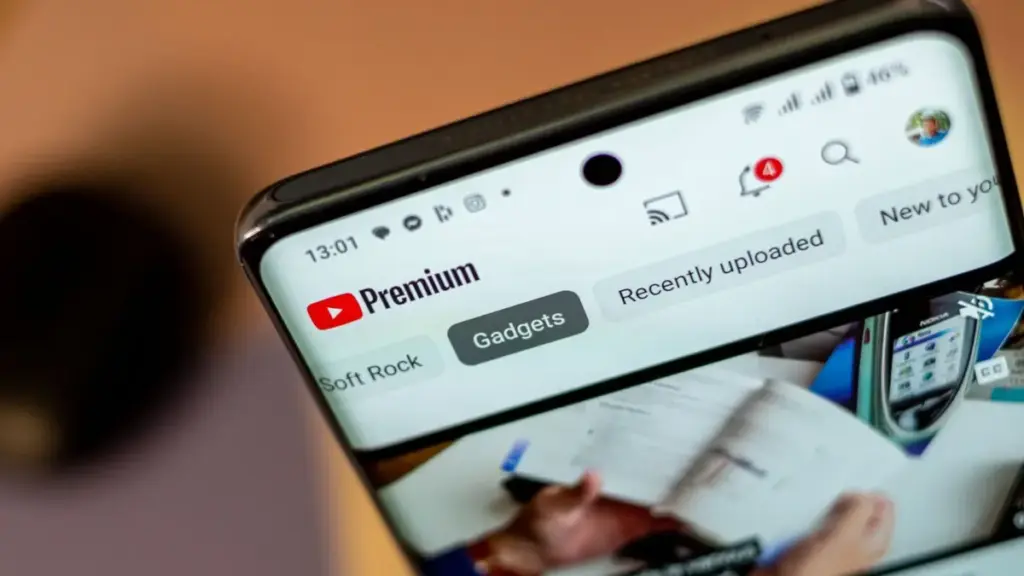
By bringing official, publisher-sanctioned audiobooks to YouTube Premium, Google could effectively "clean up" the platform. Offering a high-quality, legitimate alternative would likely migrate millions of listeners away from pirated or AI-generated content and into a controlled ecosystem where creators and publishers are properly compensated. This strategy mirrors how YouTube Music helped transition users away from unauthorized music uploads by providing a superior, licensed streaming experience.
The Competitive Landscape: Audible and Spotify
YouTube’s potential entry into the market comes at a time when the audiobook industry is experiencing a renaissance. For decades, Audible has held a dominant position, utilizing a credit-based system that encourages users to build a permanent digital library. However, the status quo was disrupted in late 2023 when Spotify integrated audiobooks into its Premium subscription.
Spotify’s model offered a different approach than Audible’s. Rather than requiring users to purchase credits, Spotify provided its Premium subscribers in the U.S., U.K., and Australia with 15 hours of audiobook listening per month from a catalog of over 200,000 titles. If users exceeded their monthly allowance, they could purchase additional hours or buy books a la carte. This move was widely seen as an attempt to capture casual listeners who might not want a dedicated audiobook subscription but value the convenience of having books included in their music app.
If the rumors regarding YouTube are accurate, Google will likely face a choice between these two models. Incorporating a limited number of listening hours into the existing $16-per-month YouTube Premium plan would align with Spotify’s strategy and could serve as a powerful retention tool. Conversely, offering a separate "Audiobook Access" tier, similar to Spotify’s $9.99 standalone plan, would allow Google to target book lovers specifically without forcing them into the broader YouTube Premium ecosystem.
The competition is not just about price, but about the user interface. YouTube already possesses several features that are essential for audiobook consumption, such as background play, sleep timers, and adjustable playback speeds. However, to truly compete with Audible, the platform would need to develop more sophisticated bookmarking tools and perhaps a dedicated section within the YouTube or YouTube Music app to prevent book content from getting lost in a sea of video thumbnails.
The Challenge for Publishers and Authors
While the prospect of reaching YouTube’s two billion monthly active users is enticing for publishers, the shift toward subscription-based audiobooks is not without controversy. Many authors and smaller publishing houses have expressed concern that subscription models—where they are often paid based on "time listened" or a share of a pool of revenue—result in lower earnings compared to traditional retail sales.
When Spotify launched its audiobook service, it faced scrutiny over how royalties would be distributed. Google will likely encounter similar hurdles. Publishers will want to ensure that the value of their intellectual property isn’t diluted by being bundled into a service that many people primarily use to skip ads on cat videos.
 Mobile Device Management (MDM) & Mobile OS
Google Unveils Android Bench 2.0 to Evaluate AI Performance on Complex, Long-Horizon Development Tasks
In a significant move to refine how artificial intelligence interacts with the...
 Mobile Device Management (MDM) & Mobile OS
Next-Generation Google TV Streamer Reportedly in Development with Hands-Free Voice Controls and Presence Sensing
Google appears to be accelerating its ambitions for the living room, as...
 Mobile Device Management (MDM) & Mobile OS
Google Photos Users Report Crippling App Freezes on Pixel Devices Following Latest AI Update
The Google Pixel ecosystem has long been celebrated for its seamless integration...






