
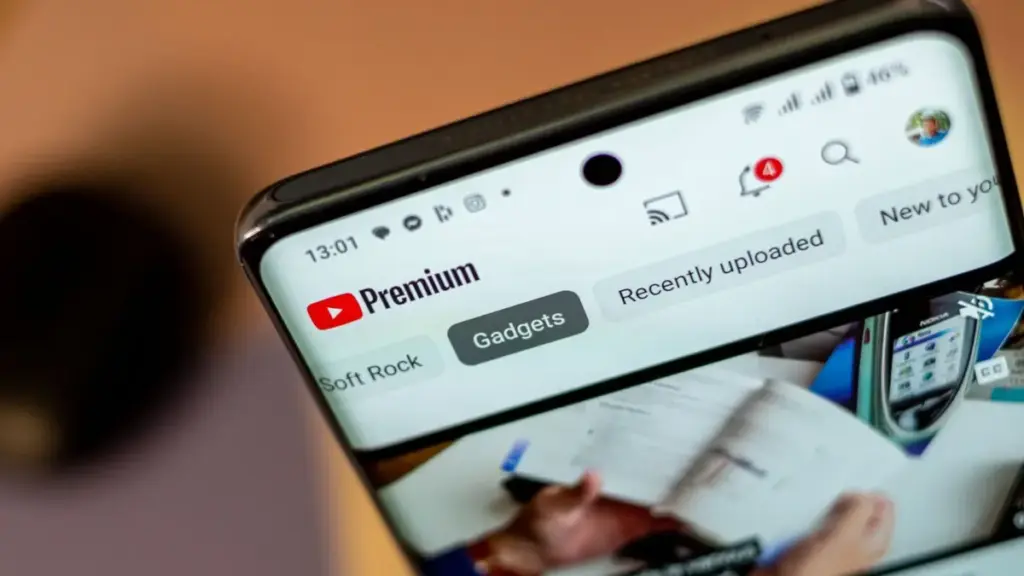
The digital streaming landscape is on the verge of another significant shift as YouTube, the world’s largest video-sharing platform, reportedly prepares to enter the highly competitive audiobook market. According to recent industry rumors and a report from the Wall Street Journal, Google is exploring the integration of audiobooks into its YouTube Premium subscription service. This move would represent a major expansion of YouTube’s value proposition, potentially positioning it as a direct competitor to established giants like Amazon’s Audible and Spotify.
The report suggests that Google has already initiated preliminary discussions with major book publishers to bring a vast library of titles to the platform. While the plans appear to be in the early stages, the projected timeline for a formal launch is currently set for 2027. This multi-year lead time indicates that Google is looking to navigate the complex licensing and royalty structures that define the publishing industry before making a definitive move into the space.
A Strategic Pivot Toward Long-Form Audio
YouTube Premium, which currently costs subscribers approximately $16 per month in the United States, has historically focused on two primary benefits: an ad-free viewing experience and access to YouTube Music. However, as the subscription market becomes increasingly crowded and consumers face "subscription fatigue," platforms are under pressure to offer more diversified content to justify their monthly fees.
The inclusion of audiobooks would be a logical progression for YouTube. The platform has already transitioned from a simple video repository into a multifaceted media hub that includes music streaming, original series, and, more recently, a significant push into the podcasting sector. By folding audiobooks into the Premium tier, Google could create an "all-in-one" entertainment bundle that rivals the comprehensive offerings of its competitors.
Industry analysts suggest that the 2027 target date reflects the difficulty of reaching agreements with the "Big Five" publishers—Penguin Random House, Hachette, HarperCollins, Macmillan, and Simon & Schuster. These entities have traditionally been protective of their digital rights, particularly regarding subscription models that might cannibalize individual sales on platforms like Audible or Apple Books.
Addressing the YouTube "Piracy" and AI Problem
One of the most compelling reasons for YouTube to formalize an audiobook offering is the platform’s existing, albeit unofficial, relationship with the medium. For years, YouTube has served as a primary destination for listeners seeking audiobooks, often through unauthorized uploads.
Data highlighted by industry observers, including reports from GoodEReader, suggests that as many as 45% of audiobook listeners currently use YouTube to consume books. However, a significant portion of this content exists in a legal and quality-control gray area. Many of the "audiobooks" currently available on the platform are not authentic studio recordings narrated by professional voice actors. Instead, they are often AI-generated narrations—text-to-speech versions of copyrighted books uploaded by third-party creators.
These AI-narrated uploads present a dual problem for Google. First, they often infringe on the intellectual property of authors and publishers, leading to a constant cycle of copyright strikes and takedown notices. Second, they provide a sub-par user experience compared to the high-production standards of professional audiobooks.
By bringing official, publisher-sanctioned audiobooks to YouTube Premium, Google could effectively "clean up" the platform. Offering a high-quality, legitimate alternative would likely migrate millions of listeners away from pirated or AI-generated content and into a controlled ecosystem where creators and publishers are properly compensated. This strategy mirrors how YouTube Music helped transition users away from unauthorized music uploads by providing a superior, licensed streaming experience.
The Competitive Landscape: Audible and Spotify
YouTube’s potential entry into the market comes at a time when the audiobook industry is experiencing a renaissance. For decades, Audible has held a dominant position, utilizing a credit-based system that encourages users to build a permanent digital library. However, the status quo was disrupted in late 2023 when Spotify integrated audiobooks into its Premium subscription.
Spotify’s model offered a different approach than Audible’s. Rather than requiring users to purchase credits, Spotify provided its Premium subscribers in the U.S., U.K., and Australia with 15 hours of audiobook listening per month from a catalog of over 200,000 titles. If users exceeded their monthly allowance, they could purchase additional hours or buy books a la carte. This move was widely seen as an attempt to capture casual listeners who might not want a dedicated audiobook subscription but value the convenience of having books included in their music app.
If the rumors regarding YouTube are accurate, Google will likely face a choice between these two models. Incorporating a limited number of listening hours into the existing $16-per-month YouTube Premium plan would align with Spotify’s strategy and could serve as a powerful retention tool. Conversely, offering a separate "Audiobook Access" tier, similar to Spotify’s $9.99 standalone plan, would allow Google to target book lovers specifically without forcing them into the broader YouTube Premium ecosystem.
The competition is not just about price, but about the user interface. YouTube already possesses several features that are essential for audiobook consumption, such as background play, sleep timers, and adjustable playback speeds. However, to truly compete with Audible, the platform would need to develop more sophisticated bookmarking tools and perhaps a dedicated section within the YouTube or YouTube Music app to prevent book content from getting lost in a sea of video thumbnails.
The Challenge for Publishers and Authors
While the prospect of reaching YouTube’s two billion monthly active users is enticing for publishers, the shift toward subscription-based audiobooks is not without controversy. Many authors and smaller publishing houses have expressed concern that subscription models—where they are often paid based on "time listened" or a share of a pool of revenue—result in lower earnings compared to traditional retail sales.
When Spotify launched its audiobook service, it faced scrutiny over how royalties would be distributed. Google will likely encounter similar hurdles. Publishers will want to ensure that the value of their intellectual property isn’t diluted by being bundled into a service that many people primarily use to skip ads on cat videos.
The 2027 timeline suggests that Google is taking these concerns seriously. Negotiating a system that satisfies the financial requirements of the publishing industry while remaining affordable for the consumer is a delicate balancing act. Furthermore, Google must consider how this move affects its own existing service, Google Play Books, which currently sells audiobooks on an a la carte basis.
The "Super-App" Ambition
YouTube’s interest in audiobooks is part of a broader trend of major tech platforms attempting to become "super-apps"—single destinations for all forms of digital consumption. In the current market, the lines between video, music, podcasts, and books are increasingly blurred.
For YouTube, the goal is likely to increase the "stickiness" of its Premium subscription. By adding audiobooks, Google makes it harder for a user to justify canceling their subscription, as they would be losing not just ad-free video, but also their music service and their library of books.
The potential for synergy within the Google ecosystem is also significant. Integration with Google Assistant and the Nest line of smart speakers could make YouTube audiobooks a seamless part of the smart home experience, allowing users to pick up a story in their car via Android Auto and continue it on their kitchen speaker while cooking.
Looking Ahead to 2027
While the news remains firmly in the realm of rumors and early reports, the logic behind YouTube’s entry into the audiobook market is sound. The platform already has the infrastructure, the user base, and a clear problem to solve regarding unauthorized content.
However, three years is a long time in the tech world. Between now and 2027, the competitive landscape could change significantly. Spotify may further refine its model, or new players could emerge. For now, audiobook enthusiasts and YouTube Premium subscribers can only wait to see if Google can successfully turn the world’s largest video site into a premier destination for the written word.
If successful, the move could solidify YouTube Premium as one of the most comprehensive digital subscriptions available, effectively bridging the gap between visual media, music, and literature. For the publishing industry, it represents a massive opportunity to reach a younger, global audience—provided the price is right for both the creators and the platform.
 Mobile Device Management (MDM) & Mobile OS
Samsung Reportedly Developing ‘Galaxy Studio’ Over-Ear Headphones to Challenge Apple and Sony
For nearly a decade, the premium over-ear headphone market has been defined...
 Mobile Device Management (MDM) & Mobile OS
Vivo Unveils X500 Series in Shanghai Featuring 8,000mAh Battery and MediaTek’s 2nm Dimensity 9600 Pro
Vivo has officially pulled back the curtain on its latest flagship smartphone...
 Mobile Device Management (MDM) & Mobile OS
Google Releases Android 17 QPR3 Beta 1 for Pixel Devices, Targeting Key Performance Issues and System Stability
Google has officially initiated the next phase of its software testing cycle...






