
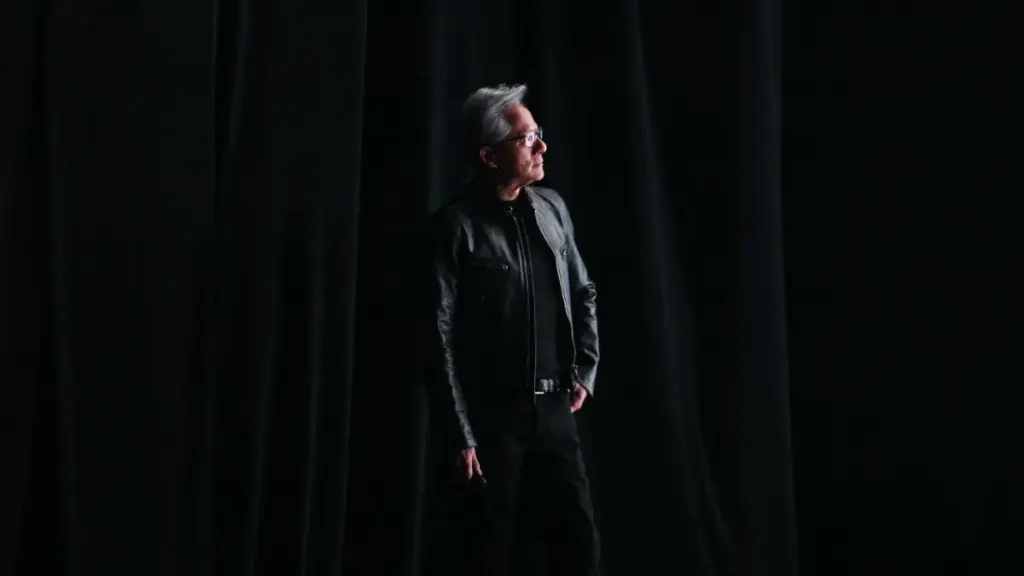
The transition from a proprietary-first mindset to an open-source advocate was a notable evolution for Nvidia. For years, the company was criticized by the open-source community for its "walled garden" approach, particularly regarding its proprietary drivers and the CUDA platform. However, under Huang’s recent guidance, the company began to pivot, recognizing that the sheer scale of the AI revolution required a more collaborative approach.
Brock emphasized that the health of the broader tech ecosystem depends on the continuation of this trend. "As the dust settles, the open-source ecosystem needs Nvidia and other companies benefiting from open source to continue their support and funding for the ecosystem as a whole," she commented. She also pointed to a growing "pace of adoption" for open-source AI that has not yet been matched by a "pace of understanding," leading to misinformation regarding security and governance.
According to Brock, the only way to bridge this gap is through the very principles Nvidia highlighted at KubeCon. "It is only through transparency, accessibility, and interoperability that we enable that trust, competition, and innovation," she added.
Strengthening Ties with Google and the Kubernetes Ecosystem
Beyond the OpenShell donation, Nvidia used KubeCon as a platform to strengthen its alliances with other tech titans, most notably Google. The company pledged a deep commitment to "Agent Substrate," a Google-led open-source framework designed specifically for orchestrating agentic workloads on Kubernetes.
This collaboration signals a shift toward a more unified architectural approach to AI. Kubernetes has long been the standard for managing containerized applications in the cloud, and as AI workloads become more complex, the industry is looking for ways to manage AI agents with the same level of scalability and reliability.
"Nvidia and Google are also collaborating on an integration of OpenShell and Agent Substrate, so enterprises can secure and govern agents across clouds and on-premises systems," Nvidia said in a statement.
This interoperability is crucial for large-scale enterprises that operate in hybrid cloud environments. By integrating OpenShell with Google’s Agent Substrate, Nvidia is positioning itself at the center of the "agentic" workflow, ensuring that its hardware and software remain indispensable regardless of whether a company is using public cloud resources or their own private data centers.
Nvidia’s Evolving Open Source Credentials
The recent developments at KubeCon are part of a broader trajectory that began well before the current leadership crisis. Under Huang’s tenure, Nvidia had been increasingly vocal about its support for the community. At the Nvidia GTC 2026 conference in March, the company launched NemoClaw, an initiative designed to bolster interoperability in AI development.
 Helpdesk & IT Service Management (ITSM)
TfL Confirms Data Breach Impacting 260,000 Oyster Photocard Users as Security Experts Warn of Identity Fraud Risks
Transport for London (TfL) has confirmed that a significant cyber security incident...
 Helpdesk & IT Service Management (ITSM)
NetApp Insight 2024: Navigating the Shift Toward AI Inference and Sovereign Data Infrastructure
As the autumn conference season gathers momentum, the technology industry’s focus has...
 Helpdesk & IT Service Management (ITSM)
Omnissa Appoints Industry Veteran Amit Singh as CEO to Lead Expansion into Agentic AI and Secure Digital Workspaces
Omnissa, a prominent global provider of digital work platforms, has announced a...







