
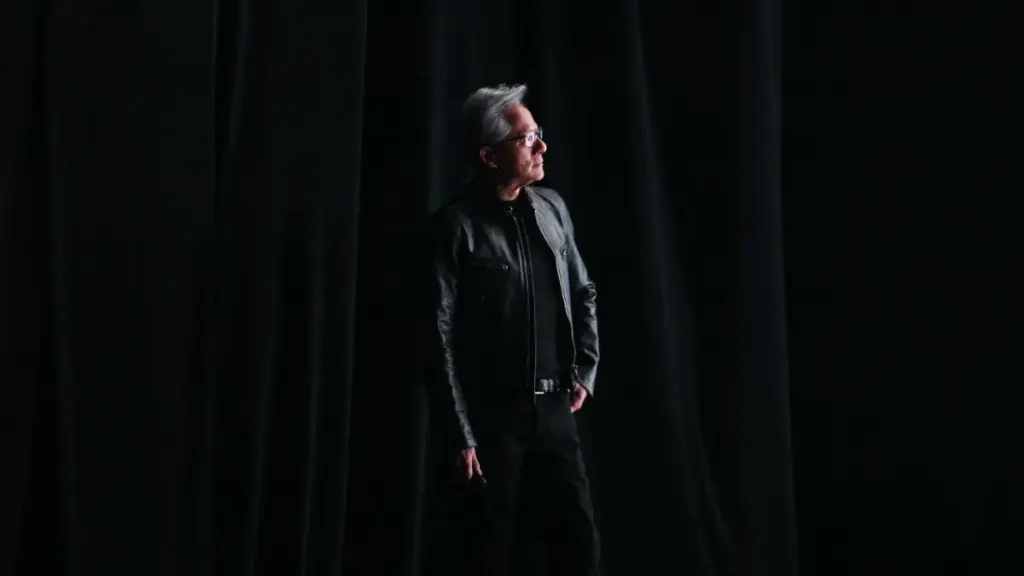
Built on top of the OpenClaw standard, NemoClaw allows developers to draw from a variety of different coding agents and open-source models to construct their own customized autonomous systems. This was followed by the formation of the "Nemotron Coalition," a high-profile alliance aimed at driving the development of open frontier AI models. The coalition includes major industry players such as Mistral, Perplexity, and Cursor, signaling Nvidia’s desire to foster an ecosystem that can compete with the closed-source models offered by companies like OpenAI and Google.
Speaking on these initiatives earlier this year, Forrester VP and principal analyst Charlie Dai told ITPro that Nvidia’s strategy reflects a growing reality in the enterprise world. "Enterprises increasingly rely on open models, frameworks, and tools across AI infrastructure, model development, agentic workflows, and governance while pairing them with commercial offerings to manage risk and scale," Dai noted.
This hybrid approach—using open-source tools to build and govern models while running them on high-performance commercial hardware—has become the cornerstone of Nvidia’s market dominance. By supporting open standards, Nvidia ensures that the barrier to entry for AI development remains low, which in turn drives demand for the GPUs required to train and run those models.
The Geopolitical Context of Open AI
The philosophy of openness was something Jensen Huang defended even in the face of geopolitical tensions. He was a prominent proponent of open-source AI development, particularly as powerful new models began to emerge from China. Over the last two years, Chinese models such as Kimi K3 have demonstrated capabilities that rival those of Western "frontier" models, often at a fraction of the cost.
In an interview with Axios in July, Huang dismissed security misconceptions regarding these models and argued that heightened competition between open and closed-source development was a net positive for the global industry. "The world needs open models," he told the publication. "These Chinese models are excellent. Open source models that are excellent should be used."
This perspective was often seen as controversial, given the tightening export controls on AI hardware to China. However, it underscored Huang’s belief that the AI revolution was too large for any one company or nation to control. By championing open source, he sought to position Nvidia as the "arms dealer" for all sides of the innovation curve, providing the essential infrastructure for an open, global ecosystem.
As Nvidia moves into a new era without its founding visionary, the donation of OpenShell to the CNCF serves as a testament to the strategic direction established during the final chapter of Huang’s leadership. While the headlines remain focused on the personal scandal that led to his exit, the code and commitments left behind at KubeCon may ultimately have a more lasting impact on the future of the artificial intelligence industry. The challenge for Nvidia’s next leadership team will be to maintain this momentum and ensure that the spirit of transparency and community collaboration survives the current period of corporate turbulence.
 Helpdesk & IT Service Management (ITSM)
The Trillion-Dollar ROI Challenge: Why AI Infrastructure Spending Must Spark a Global Innovation Revolution
As the global technology sector pivots toward an era defined by generative...
 Helpdesk & IT Service Management (ITSM)
Bridging the Gap Between AI Adoption and Business Value: The Evolving Reality of IT Service Management
For years, the mere adoption of Artificial Intelligence was considered the ultimate...
 Helpdesk & IT Service Management (ITSM)
Microsoft Teams to Deploy AI-Powered Phishing Protections as External Messaging Threats Escalate
In an era where the digital workplace has become the primary theater...







