
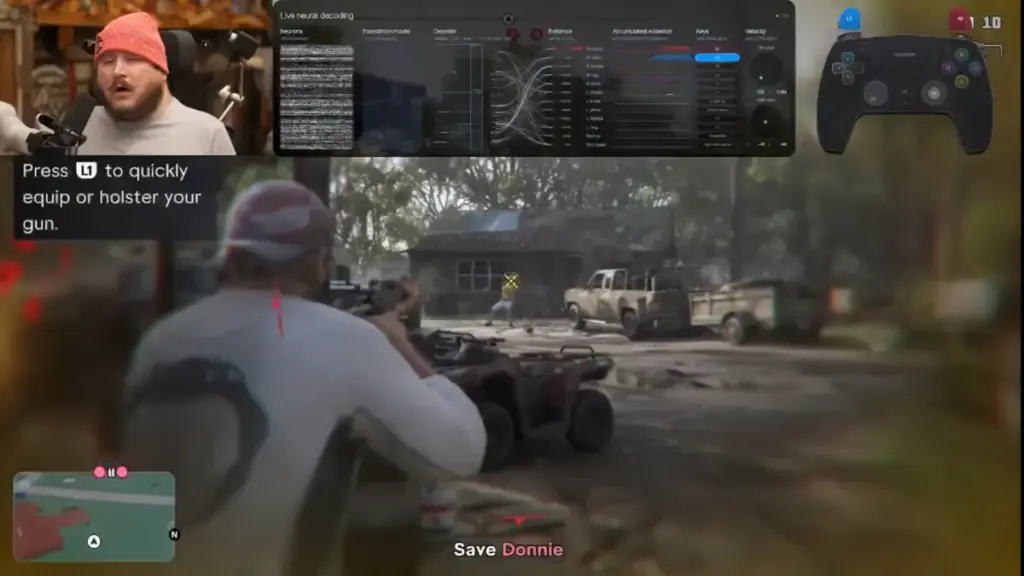
While the primary focus of these early trials is to restore digital autonomy to those with quadriplegia, the implications of this demonstration reach much further. The ability to narrate with a personal AI voice and play high-fidelity games suggests a future where the physical limitations of the body no longer dictate an individual’s ability to participate in culture, work, or social interaction. The use of a PlayStation 5 controller as the intermediary also highlights the potential for the "Link" to become a universal translator for human intent. As Neuralink continues to monitor the health and progress of its trial participants, the data gathered will be crucial for seeking broader regulatory approval. The company has maintained a rigorous schedule of updates, often sharing these milestones directly with the public to demonstrate the tangible impact of their research.
The transition from the first human patient, who gained headlines for playing digital chess and other software, to this second phase involving more complex control schemes like those seen in the GTA footage, indicates a growing confidence in the stability of the implant. Earlier challenges, such as the physical displacement of some of the electrode threads, appear to have been addressed through refined surgical techniques and software compensations. This iterative process is central to Neuralink’s philosophy of rapid development. By pushing the boundaries of what the interface can do—such as flying an airplane in a simulated environment—the team can identify the limits of the current hardware and develop the next generation of neural threads and sensors.
As the video of the patient concludes, the sense of possibility is palpable. The medical trial participant, though remaining unnamed, has become a pioneer in a new era of human-computer interaction. The combination of neural implants, AI-driven voice synthesis, and standard gaming hardware creates a powerful toolkit for overcoming physical disability. While there is still much work to be done in terms of long-term safety monitoring and expanding the number of trial participants, the results seen less than three years into clinical trials are a testament to the transformative potential of brain-computer interfaces. The ability to navigate the complex world of a modern video game using nothing but thought is no longer a concept confined to science fiction; it is a reality currently being refined in the labs and homes of Neuralink’s trial participants.
 Hardware Reviews & PC Building
Grab the award-winning Bambu Lab P1S 3D printer with AMS for $70 off — save $70 on one of the best 3D printers for…
The significance of this deal lies not just in the dollar amount...
 Hardware Reviews & PC Building
Digital Fly Brain Achieves 20 Percent Win Rate in Balatro Following Breakthrough Google Neural Mapping
In the rapidly evolving landscape of artificial intelligence and computational neuroscience, the...
 Hardware Reviews & PC Building
Acer Predator Helios Neo 16S AI Review: Balancing Next-Gen Power with the Constraints of Portability
The landscape of high-end gaming laptops is currently undergoing a significant transformation....







