
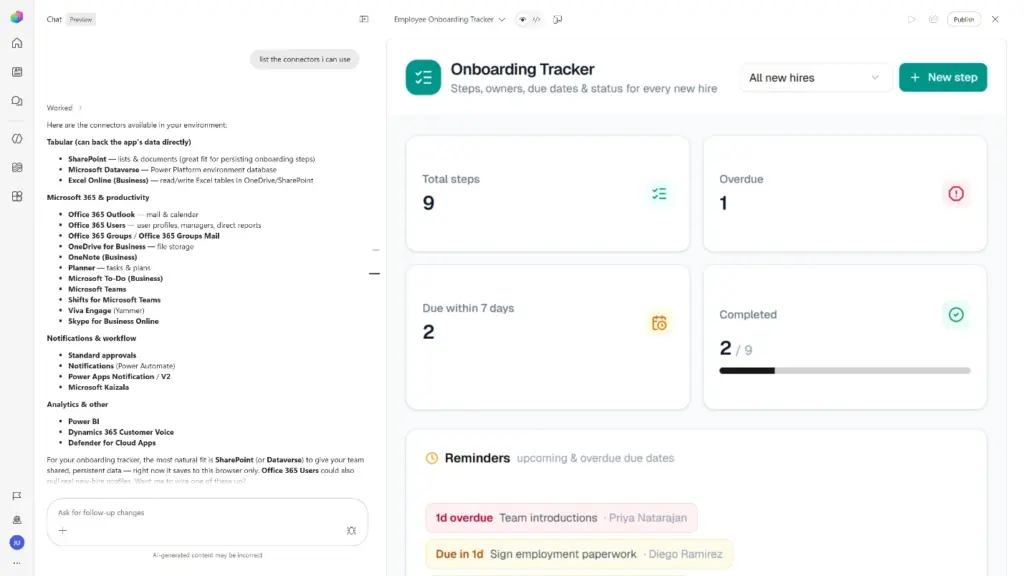
The true value of an enterprise application lies in its ability to interact with the data that powers the organization. A standalone app that requires manual data entry is often more of a burden than a benefit. To address this, Microsoft is leaning heavily on its existing ecosystem of connectors and its proprietary "Work IQ" technology. Apps built through Copilot Cowork and Copilot Studio are designed to be "data-aware" from the moment of their creation.
Work IQ allows these AI-generated applications to access organizational context safely and effectively. This means that an app isn’t just surfacing generic information; it understands the specific roles, projects, and data permissions relevant to the user. By utilizing hundreds of pre-built connectors, these applications can reach into the systems where work already happens—whether that is within the Microsoft 365 tenant boundary or third-party platforms.
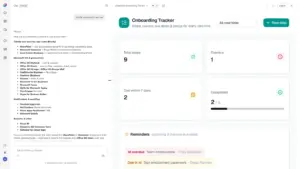
Consider the practical implications for common business scenarios. In a human resources context, an onboarding app could use connectors to automatically pull a new hire’s profile from a data source, surface specific learning resources based on their department, and then write progress updates back to the central HR system. In a field service scenario, a technician could use a custom-built app to retrieve technical specifications for a specific piece of equipment from a third-party database, follow guided repair steps generated by the AI, and then log the completed work directly into the company’s maintenance records.
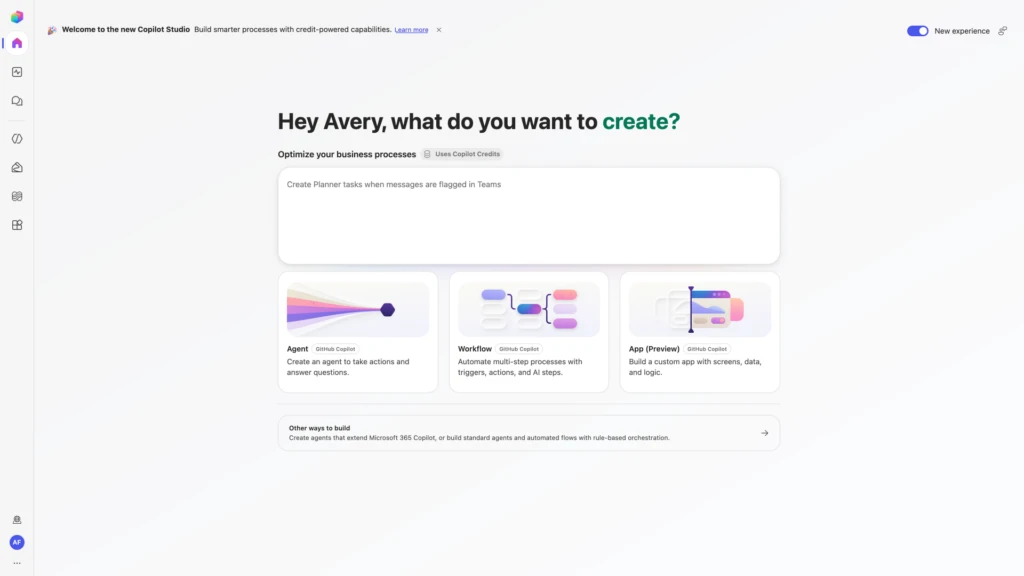
By grounding these applications in real-world business data, Microsoft is moving beyond "toy" apps and into the realm of structured, high-utility tools. The AI ensures that the app doesn’t just read data but takes action on it, creating a closed-loop system where information flows seamlessly between the user interface and the back-end infrastructure.
Build enterprise apps with open standards and centralized control
As the democratization of app building accelerates, it often brings a significant challenge for IT departments: "Shadow IT." When employees begin creating their own solutions using unauthorized or ungoverned tools, it creates security risks and data silos. Microsoft’s strategy for Copilot Studio and Copilot Cowork is built specifically to prevent this by ensuring that every app created is a "first-class citizen" within the enterprise IT stack.
Apps built using these new natural language tools are full-stack applications constructed on open standards. This is a crucial distinction for technical teams, as it means these apps are not locked into a proprietary, "black box" environment. They can utilize professional development practices such as Git-backed source control, which allows for versioning and collaboration among multiple developers. Furthermore, the platform supports deployment stages and version isolation. This ensures that a "live" version of an app used by hundreds of employees remains stable while developers or citizen makers work on the next iteration in a safe, isolated environment.
 Productivity Software & Office Suites
Microsoft Unveils Microsoft 365 G7: A New "Frontier Suite" Aimed at Transforming AI Adoption for Government Agencies
In an era where public sector leaders are increasingly pressured to modernize...
 Productivity Software & Office Suites
Microsoft Announces Microsoft 365 G7 and Agent 365 to Accelerate AI Adoption and Governance Across U.S. Government Agencies
In an era where the public sector faces the dual challenge of...
 Productivity Software & Office Suites
Microsoft Unveils Natural Language App Creation in Copilot Studio, Bridging the Gap Between AI Innovation and Enterprise Governance
The landscape of software development is undergoing a fundamental transformation, driven by...







