System Performance and the Broader Desktop Shift
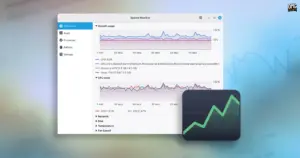
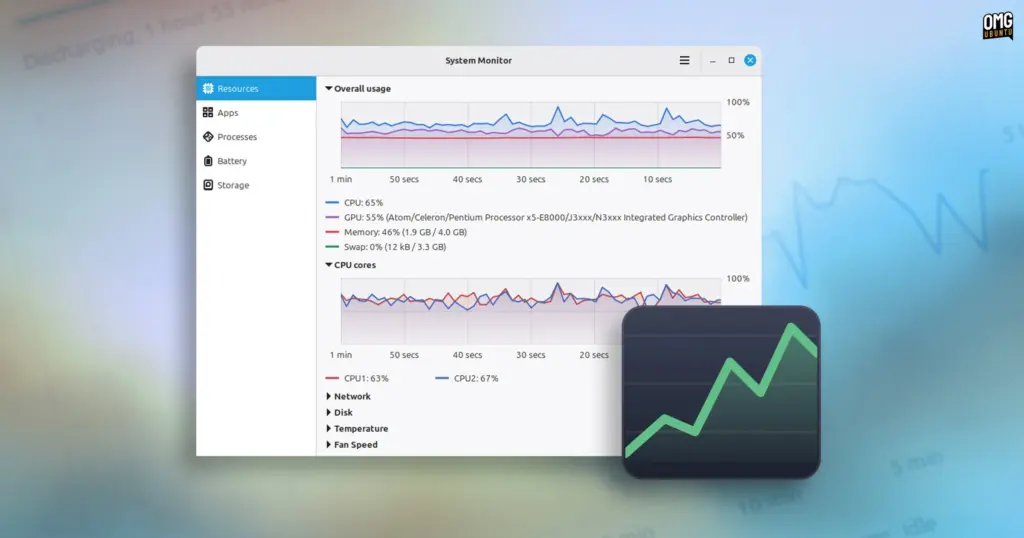
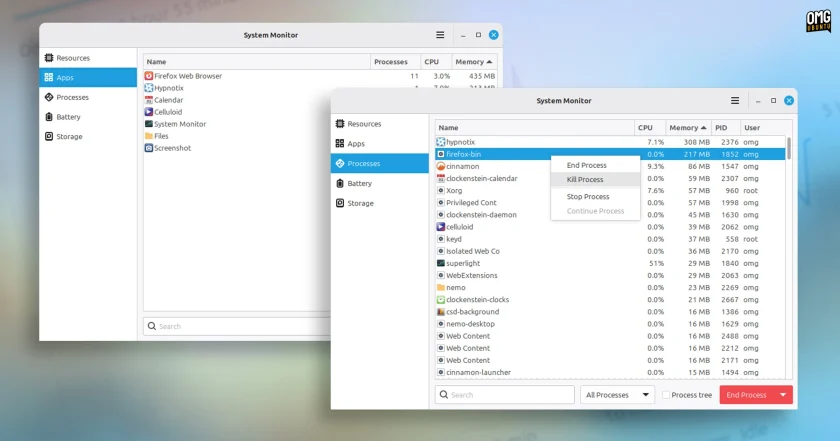
Despite its modern visual design and real-time analytical graphing, early testing indicates that Superlight remains lightweight and performant. Resource overhead is largely comparable to the older GNOME System Monitor it aims to replace, though rendering multiple complex real-time graphs simultaneously on the Resources tab can produce minor, brief utilization blips typical of dynamic graphical monitoring software.
The introduction of Superlight reflects a broader push across the Linux ecosystem to modernize foundational system utilities. While GNOME System Monitor remains capable and familiar, its user interface has grown increasingly anachronistic alongside modern GTK and libadwaita application designs. Other major distributions and desktop environments have pursued similar modernizations:
- Ubuntu recently integrated the third-party Resources utility to provide modern graphing and telemetry.
- System76 developed a bespoke, Rust-based system monitor for its next-generation COSMIC desktop environment.
- Modern standalone community monitors, such as Mission Center, have gained traction among desktop users seeking detailed hardware breakdowns.
Linux Mint’s developers plan to expand Superlight further ahead of its production debut. Future development goals include an integrated system log viewer and expanded user configuration settings, such as customizable data polling and metric refresh intervals.
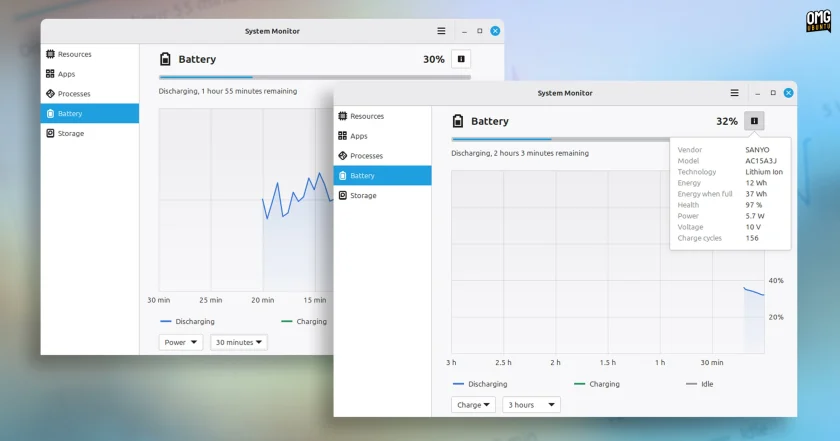
Notably, current builds of Superlight do not surface low-level silicon specifications—such as CPU socket formats, microarchitecture instruction sets, or granular memory timings and bank assignments—which utilities like Mission Center or Resources often include. Because much of this low-level component data is already handled by Linux Mint’s existing System Information utility, the development team has prioritized keeping Superlight focused on live system responsiveness, active resource allocation, and troubleshooting.
A Broader Modernization Effort Across the XApp Ecosystem
The emergence of Superlight is not an isolated development; it is part of an ambitious wave of software modernizations being orchestrated through Linux Mint’s XApp Project. The initiative continues to maintain and expand a suite of desktop-agnostic, traditional GTK applications that integrate seamlessly across environments, including Cinnamon, MATE, and Xfce.
Alongside the new system monitor, the Mint development team is actively engineering several other new software utilities slated for upcoming release cycles:
- A brand-new calendar and clock utility.
- A modernized native e-book reading application.
- A revamped archive manager to streamline file compression and extraction workflows.
- Velocitty, an all-new terminal emulator drawing structural and performance inspiration from modern terminal projects such as Ghostty and Ptyxis.
These projects join established XApps such as the Pix image organizer, the Thingy document manager, and the Library reader. By standardizing these essential desktop tools under the XApp umbrella, the Linux Mint project aims to ensure that its upcoming distributions deliver a cohesive, modern desktop experience that remains fast, visually consistent, and free from external desktop-environment dependencies.
 Linux & Open Source Solutions
Ubuntu 26.10 Introduces Restricted Media Codec Installation to App Center’s Add-Ons Hub
Ubuntu 26.10 has expanded the functionality of its modern App Center by...
 Linux & Open Source Solutions
Banshee Music Player Returns to Modern Linux Desktops as a Snap Package
A familiar name from the golden era of the Linux desktop has...
 Linux & Open Source Solutions
Ubuntu 26.10 Flavours Arrive: Community Editions Update Desktops, Graphics, and Core Tooling
Alongside the rollout of the flagship operating system, the official Ubuntu 26.10...