
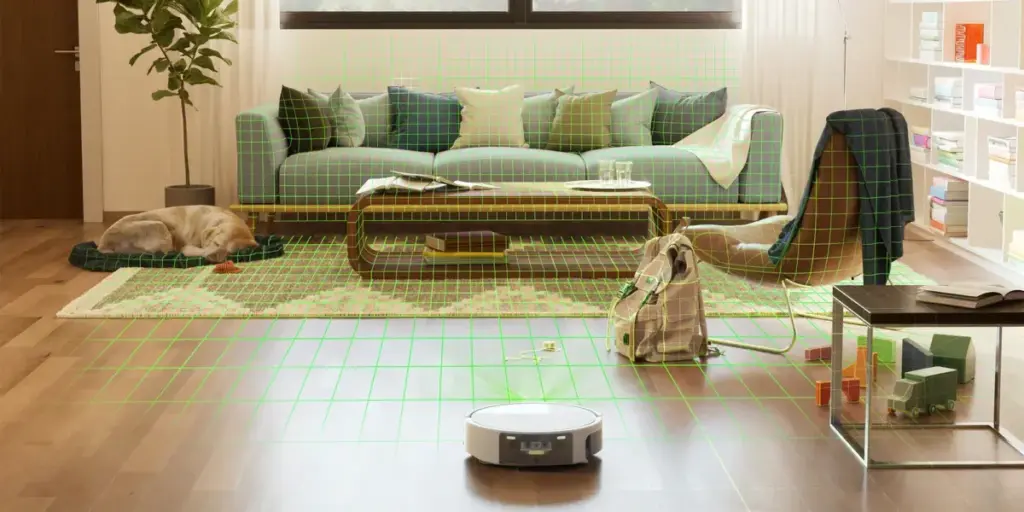
The resurgence comes following a period of intense financial turbulence. iRobot, which invented the robot vacuum category 23 years ago, found itself increasingly squeezed between high-end innovators and low-cost competitors. The company’s path toward a planned acquisition by Amazon was famously blocked by regulatory hurdles, a development that preceded its slide into bankruptcy at the end of last year. However, the brand’s story did not end with the filing. Instead, its primary manufacturing partner in China, Shenzhen PICEA Robotics, stepped in to take over the business. This transition from a U.S.-led design house to a vertically integrated entity under its former manufacturer appears to have accelerated the company’s development cycle, resulting in the rapid-fire announcement of an entirely refreshed lineup.
The new owners of iRobot are not merely maintaining the status quo. The eight-model rollout represents a significant technological shift for the brand, focusing on two primary consumer complaints: the physical footprint of the devices and their raw cleaning performance. The company’s new leadership has stated that the core philosophy of this new generation is to offer "smaller and better" robots that can navigate modern homes more effectively without sacrificing the suction power necessary for deep cleaning.
One of the most notable changes across the new range is the physical size of the robots. iRobot claims that many of its new models are up to 25 percent smaller than previous generations. This reduction in size is a direct response to the evolving design of modern furniture and the increasing complexity of home layouts. Smaller robots are better equipped to navigate between narrow chair legs, under low-clearance cabinets, and into tight corners that larger, bulkier units often miss. By shrinking the chassis while simultaneously increasing the internal hardware capabilities, iRobot is attempting to solve a perennial pain point for robot vacuum owners.
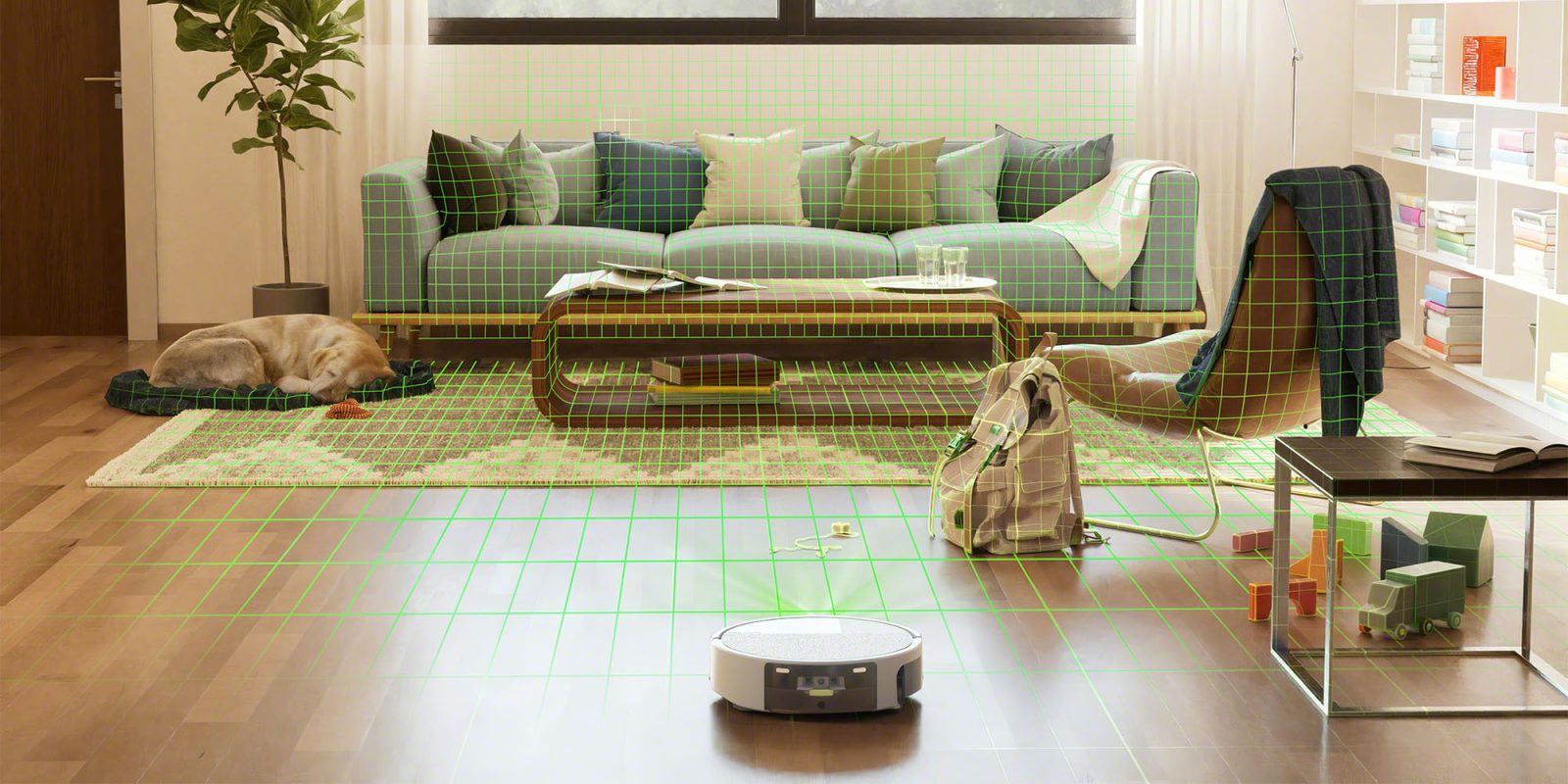
While the physical dimensions have decreased, the performance metrics have seen a dramatic increase. The flagship model of the new lineup, the Roomba Max 775 Combo, serves as a testament to this "more with less" approach. This model features a staggering 30,000 Pa of suction power, nearly doubling the 16,000 Pa found in the previous high-end Roomba 705. In the world of robot vacuums, suction power is often the primary differentiator when it comes to carpet cleaning and debris extraction from deep crevices. By pushing the ceiling to 30,000 Pa, iRobot is positioning the Max 775 as one of the most powerful cleaning tools currently available on the consumer market.
The Max 775 also introduces several advanced mopping features that reflect the industry’s shift toward "combo" units that can both vacuum and mop in a single pass. The new flagship includes pressurized hot spray pretreatment, designed to break up stubborn, dried-on stains before the mopping pad reaches them. Furthermore, the company has introduced a "hot spot mopping" feature, which utilizes the robot’s sensors to identify areas of concentrated dirt and apply extra attention to those zones.
The accompanying docking station for the Max 775 is equally sophisticated. Following the trend of "set-and-forget" maintenance, the dock not only empties the robot’s dustbin but also manages the mopping system. It washes the mop pads with hot water to ensure hygiene and then dries them with hot air to prevent the growth of mold and odors. These features, combined with a navigation system that uses a blend of LiDAR and AI-powered cameras, suggest that iRobot is aiming to compete directly with the feature-rich offerings from brands like Roborock and Dreame that have dominated the high-end market in recent years.
However, the revitalization of the brand is not limited to the premium segment. iRobot’s new strategy includes a robust entry-level offering designed to capture the value-conscious consumer. The Roomba 115 Combo, the new base model, represents a significant upgrade over previous entry-level units. It features 15,000 Pa of suction power—a figure that would have been considered flagship-level only a few years ago. By bringing high-performance suction to its most affordable model, iRobot is making a clear play for market share in the budget-friendly category. The Roomba 115 is also compatible with an optional auto-empty dock, providing a path for users to upgrade their cleaning experience without a massive initial investment.

Pricing for the new lineup has begun to emerge, providing a clearer picture of how iRobot intends to position itself against its rivals. While official U.S. pricing is still pending confirmation, figures from the UK market suggest a competitive structure. The base Roomba 115 is expected to start at approximately £229 (roughly $309), which is slightly lower than the starting price of the previous generation. On the other end of the spectrum, the flagship Max 775 is positioned at £799 (about $1,080). Interestingly, this price point for the flagship is lower than the £999 price tag of the previous top-tier model, suggesting that the new manufacturing efficiencies under Shenzhen PICEA Robotics are being passed on to the consumer.
The transition of iRobot from an independent American pioneer to a subsidiary of its Chinese manufacturer is a significant milestone in the history of the smart home industry. For years, iRobot held the patents and the brand prestige, while Shenzhen PICEA Robotics handled the physical assembly. Now, with the two entities merged into a single operation, the company appears to be moving with a level of speed and technical aggression that was lacking during its final years as a struggling public company in the U.S.
Industry analysts are watching closely to see if this "reborn" iRobot can regain its footing. The robot vacuum market has changed radically since the first Roomba debuted in 2002. What was once a novelty is now a crowded field of sophisticated machines. To succeed, the new Roomba models will need to prove that they can offer more than just a famous brand name. They must demonstrate that the integration of LiDAR, AI-driven obstacle avoidance, and extreme suction power can translate into a superior user experience.
The introduction of "hot spot mopping" and the significant reduction in unit size are steps in that direction. These features address the reality of daily life, where spills happen in specific locations and furniture is often an obstacle to automated cleaning. By focusing on these practical improvements, iRobot is attempting to move beyond the specification wars and deliver machines that are genuinely more useful in a variety of home environments.

As the company rolls out these eight new models across global markets, the focus will remain on whether this hardware-first approach can restore the brand’s luster. The combination of higher suction, smaller frames, and more aggressive pricing indicates a company that is no longer content to rest on its laurels. Under its new ownership, iRobot is clearly fighting for its life and its legacy, betting that a leaner, faster, and more technically capable version of itself can once again lead the industry it created.
For existing Roomba owners and potential buyers, the news is a sign of stability. The bankruptcy filing had initially raised concerns about the long-term support and availability of iRobot products. However, the rapid announcement of a comprehensive new product line suggests that the brand is here to stay, backed by a manufacturer that has a vested interest in the brand’s global success. With the first of these new models expected to hit shelves shortly, the market will soon decide if this new era for iRobot is the comeback story the company needs.
 Smart Home & IoT Solutions
Apple Ties New AI-Powered Home Security Features to Premium 2TB iCloud+ Subscription Tier
As Apple continues to integrate its sophisticated "Apple Intelligence" suite across its...
 Smart Home & IoT Solutions
Controller for HomeKit Introduces Natural Language AI to Simplify Complex Smart Home Automations
The promise of the modern smart home has always been one of...
 Smart Home & IoT Solutions
Apple Intelligence in the Home: New Smart Camera Features to Require 2TB iCloud+ Subscription
As Apple continues to integrate its sophisticated "Apple Intelligence" framework across its...







