
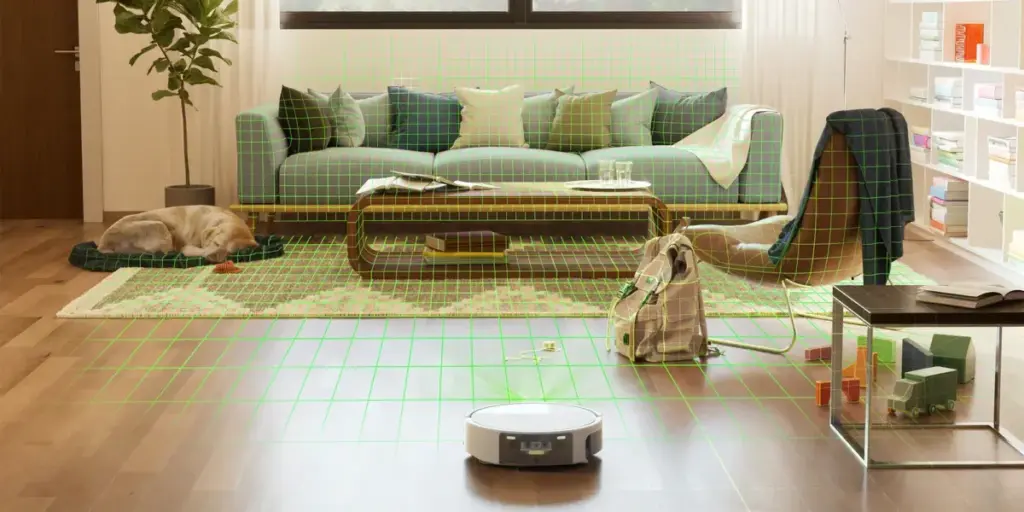
The accompanying docking station for the Max 775 is equally sophisticated. Following the trend of "set-and-forget" maintenance, the dock not only empties the robot’s dustbin but also manages the mopping system. It washes the mop pads with hot water to ensure hygiene and then dries them with hot air to prevent the growth of mold and odors. These features, combined with a navigation system that uses a blend of LiDAR and AI-powered cameras, suggest that iRobot is aiming to compete directly with the feature-rich offerings from brands like Roborock and Dreame that have dominated the high-end market in recent years.
However, the revitalization of the brand is not limited to the premium segment. iRobot’s new strategy includes a robust entry-level offering designed to capture the value-conscious consumer. The Roomba 115 Combo, the new base model, represents a significant upgrade over previous entry-level units. It features 15,000 Pa of suction power—a figure that would have been considered flagship-level only a few years ago. By bringing high-performance suction to its most affordable model, iRobot is making a clear play for market share in the budget-friendly category. The Roomba 115 is also compatible with an optional auto-empty dock, providing a path for users to upgrade their cleaning experience without a massive initial investment.

Pricing for the new lineup has begun to emerge, providing a clearer picture of how iRobot intends to position itself against its rivals. While official U.S. pricing is still pending confirmation, figures from the UK market suggest a competitive structure. The base Roomba 115 is expected to start at approximately £229 (roughly $309), which is slightly lower than the starting price of the previous generation. On the other end of the spectrum, the flagship Max 775 is positioned at £799 (about $1,080). Interestingly, this price point for the flagship is lower than the £999 price tag of the previous top-tier model, suggesting that the new manufacturing efficiencies under Shenzhen PICEA Robotics are being passed on to the consumer.
The transition of iRobot from an independent American pioneer to a subsidiary of its Chinese manufacturer is a significant milestone in the history of the smart home industry. For years, iRobot held the patents and the brand prestige, while Shenzhen PICEA Robotics handled the physical assembly. Now, with the two entities merged into a single operation, the company appears to be moving with a level of speed and technical aggression that was lacking during its final years as a struggling public company in the U.S.
 Smart Home & IoT Solutions
Apple Ties New AI-Powered Home Security Features to Premium 2TB iCloud+ Subscription Tier
As Apple continues to integrate its sophisticated "Apple Intelligence" suite across its...
 Smart Home & IoT Solutions
Apple Reportedly Developing Privacy-Centric Home Security Service and AI-Powered Monitoring Hardware for 2027
For years, Apple’s presence in the smart home market has been characterized...
 Smart Home & IoT Solutions
Apple Partners with LG for Strategic Smart Home Expansion Featuring New Cameras and Sensors
In a significant move to revitalize its presence in the domestic technology...







