The resurgence comes following a period of intense financial turbulence. iRobot, which invented the robot vacuum category 23 years ago, found itself increasingly squeezed between high-end innovators and low-cost competitors. The company’s path toward a planned acquisition by Amazon was famously blocked by regulatory hurdles, a development that preceded its slide into bankruptcy at the end of last year. However, the brand’s story did not end with the filing. Instead, its primary manufacturing partner in China, Shenzhen PICEA Robotics, stepped in to take over the business. This transition from a U.S.-led design house to a vertically integrated entity under its former manufacturer appears to have accelerated the company’s development cycle, resulting in the rapid-fire announcement of an entirely refreshed lineup.
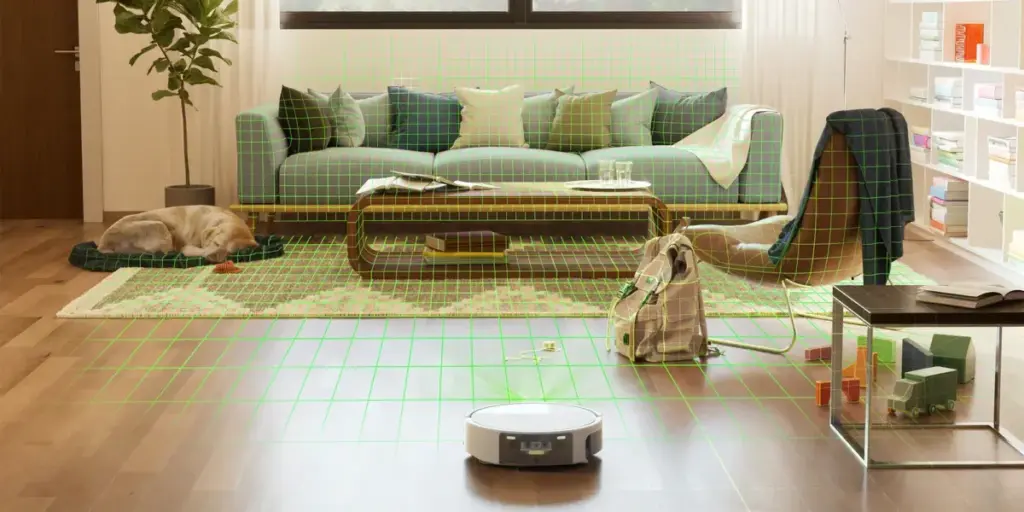
The new owners of iRobot are not merely maintaining the status quo. The eight-model rollout represents a significant technological shift for the brand, focusing on two primary consumer complaints: the physical footprint of the devices and their raw cleaning performance. The company’s new leadership has stated that the core philosophy of this new generation is to offer "smaller and better" robots that can navigate modern homes more effectively without sacrificing the suction power necessary for deep cleaning.
One of the most notable changes across the new range is the physical size of the robots. iRobot claims that many of its new models are up to 25 percent smaller than previous generations. This reduction in size is a direct response to the evolving design of modern furniture and the increasing complexity of home layouts. Smaller robots are better equipped to navigate between narrow chair legs, under low-clearance cabinets, and into tight corners that larger, bulkier units often miss. By shrinking the chassis while simultaneously increasing the internal hardware capabilities, iRobot is attempting to solve a perennial pain point for robot vacuum owners.
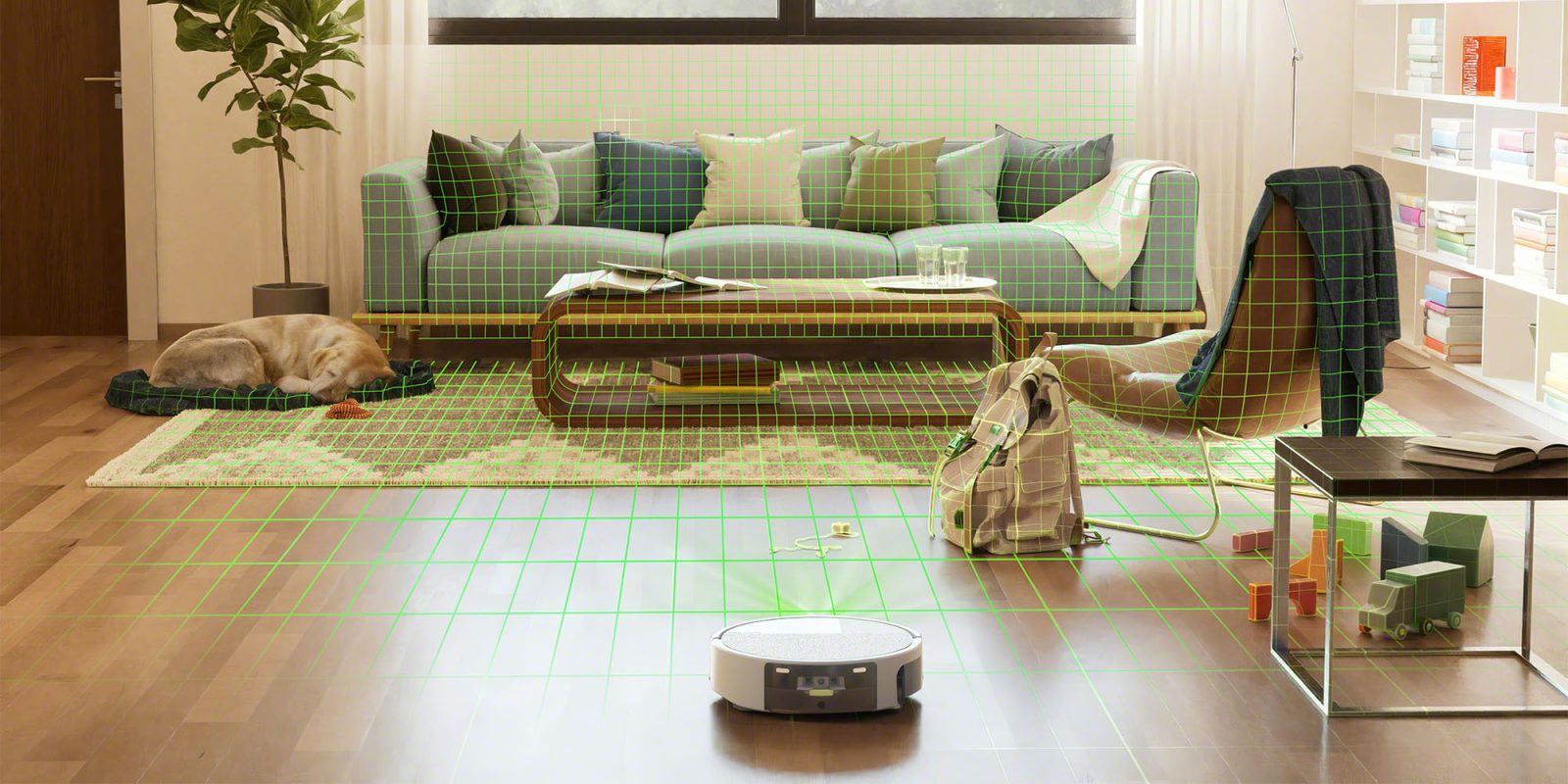
While the physical dimensions have decreased, the performance metrics have seen a dramatic increase. The flagship model of the new lineup, the Roomba Max 775 Combo, serves as a testament to this "more with less" approach. This model features a staggering 30,000 Pa of suction power, nearly doubling the 16,000 Pa found in the previous high-end Roomba 705. In the world of robot vacuums, suction power is often the primary differentiator when it comes to carpet cleaning and debris extraction from deep crevices. By pushing the ceiling to 30,000 Pa, iRobot is positioning the Max 775 as one of the most powerful cleaning tools currently available on the consumer market.
The Max 775 also introduces several advanced mopping features that reflect the industry’s shift toward "combo" units that can both vacuum and mop in a single pass. The new flagship includes pressurized hot spray pretreatment, designed to break up stubborn, dried-on stains before the mopping pad reaches them. Furthermore, the company has introduced a "hot spot mopping" feature, which utilizes the robot’s sensors to identify areas of concentrated dirt and apply extra attention to those zones.
 Smart Home & IoT Solutions
Report: Apple ‘HomeView’ smart home hub will ship in November, come in four colors, A18 chip
The HomeView is expected to be the centerpiece of a major hardware...
 Smart Home & IoT Solutions
Apple and LG Collaborate on Major Smart Home Expansion to Reboot the HomeKit Ecosystem
In a significant strategic shift aimed at revitalizing its presence in the...
 Smart Home & IoT Solutions
Apple Expands Smart Home Ecosystem with New Third-Party Accessories and Aqara Matter Integration
In a strategic update to its retail and online storefronts this week,...