
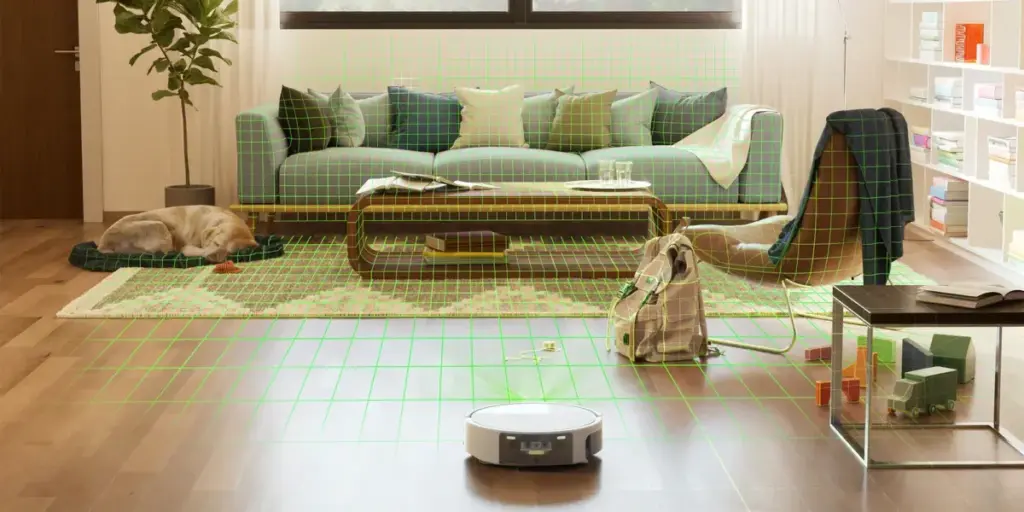
Industry analysts are watching closely to see if this "reborn" iRobot can regain its footing. The robot vacuum market has changed radically since the first Roomba debuted in 2002. What was once a novelty is now a crowded field of sophisticated machines. To succeed, the new Roomba models will need to prove that they can offer more than just a famous brand name. They must demonstrate that the integration of LiDAR, AI-driven obstacle avoidance, and extreme suction power can translate into a superior user experience.
The introduction of "hot spot mopping" and the significant reduction in unit size are steps in that direction. These features address the reality of daily life, where spills happen in specific locations and furniture is often an obstacle to automated cleaning. By focusing on these practical improvements, iRobot is attempting to move beyond the specification wars and deliver machines that are genuinely more useful in a variety of home environments.

As the company rolls out these eight new models across global markets, the focus will remain on whether this hardware-first approach can restore the brand’s luster. The combination of higher suction, smaller frames, and more aggressive pricing indicates a company that is no longer content to rest on its laurels. Under its new ownership, iRobot is clearly fighting for its life and its legacy, betting that a leaner, faster, and more technically capable version of itself can once again lead the industry it created.
For existing Roomba owners and potential buyers, the news is a sign of stability. The bankruptcy filing had initially raised concerns about the long-term support and availability of iRobot products. However, the rapid announcement of a comprehensive new product line suggests that the brand is here to stay, backed by a manufacturer that has a vested interest in the brand’s global success. With the first of these new models expected to hit shelves shortly, the market will soon decide if this new era for iRobot is the comeback story the company needs.
 Smart Home & IoT Solutions
Apple Prepared to Unveil ‘Second-Party’ Smart Home Ecosystem Featuring Exclusive Proximity Control Features
As Apple prepares for its highly anticipated "Welcome Home" special event scheduled...
 Smart Home & IoT Solutions
Apple Expands Smart Home Ecosystem with New Aqara Accessories and Third-Party Hardware Ahead of Major Product Launches
In a significant update to its retail and digital storefronts this week,...
 Smart Home & IoT Solutions
The Frictionless Frontier: How the Apple Home Collection Aims to Bridge the Gap Between Tech Enthusiasts and the Mass Market
For those who consider themselves part of the global community of technology...







