
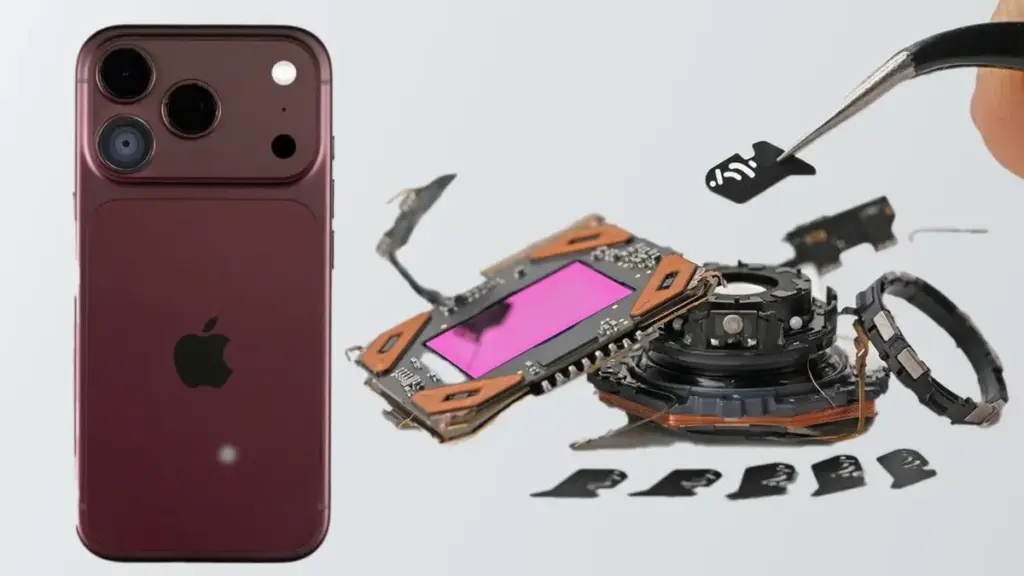
While the high rate of frame failure raises immediate questions regarding repair accessibility, iFixit exercised professional caution in its preliminary assessment. The repair organization emphasized that further empirical testing is required to determine whether the fragile display frames are the result of a widespread manufacturing tolerance issue, an inherent design flaw, or simply an anomaly limited to early production batches. Nevertheless, for independent repair shops and consumers seeking to perform DIY screen replacements, the finding serves as an early warning that servicing the display on the iPhone 18 Pro line may require heightened care, altered heating routines, or re-engineered disassembly tools to prevent collateral damage to the surrounding bezel structure.
Despite these repairability hurdles, the teardown offers a fascinating look at the sophisticated engineering solutions Apple implemented to enhance hardware performance and thermal efficiency. Central to these internal upgrades is a significantly larger vapor chamber cooling system integrated into the central frame. Modern mobile processors generate considerable thermal energy under sustained workloads, such as console-quality mobile gaming, high-bitrate spatial video recording, and intensive computational image processing.
By expanding the footprint of the vapor chamber, Apple has created a far more effective thermal dissipation pathway inside the tight confines of the enclosure. Liquid inside the sealed metal vapor chamber absorbs heat from the primary processing units, vaporizes, and condenses as it spreads across the cooler regions of the chamber, rapidly drawing thermal energy away from the main logic board. This hardware enhancement aims to prevent aggressive thermal throttling, enabling the device to sustain peak CPU and GPU performance levels for extended periods without overheating.
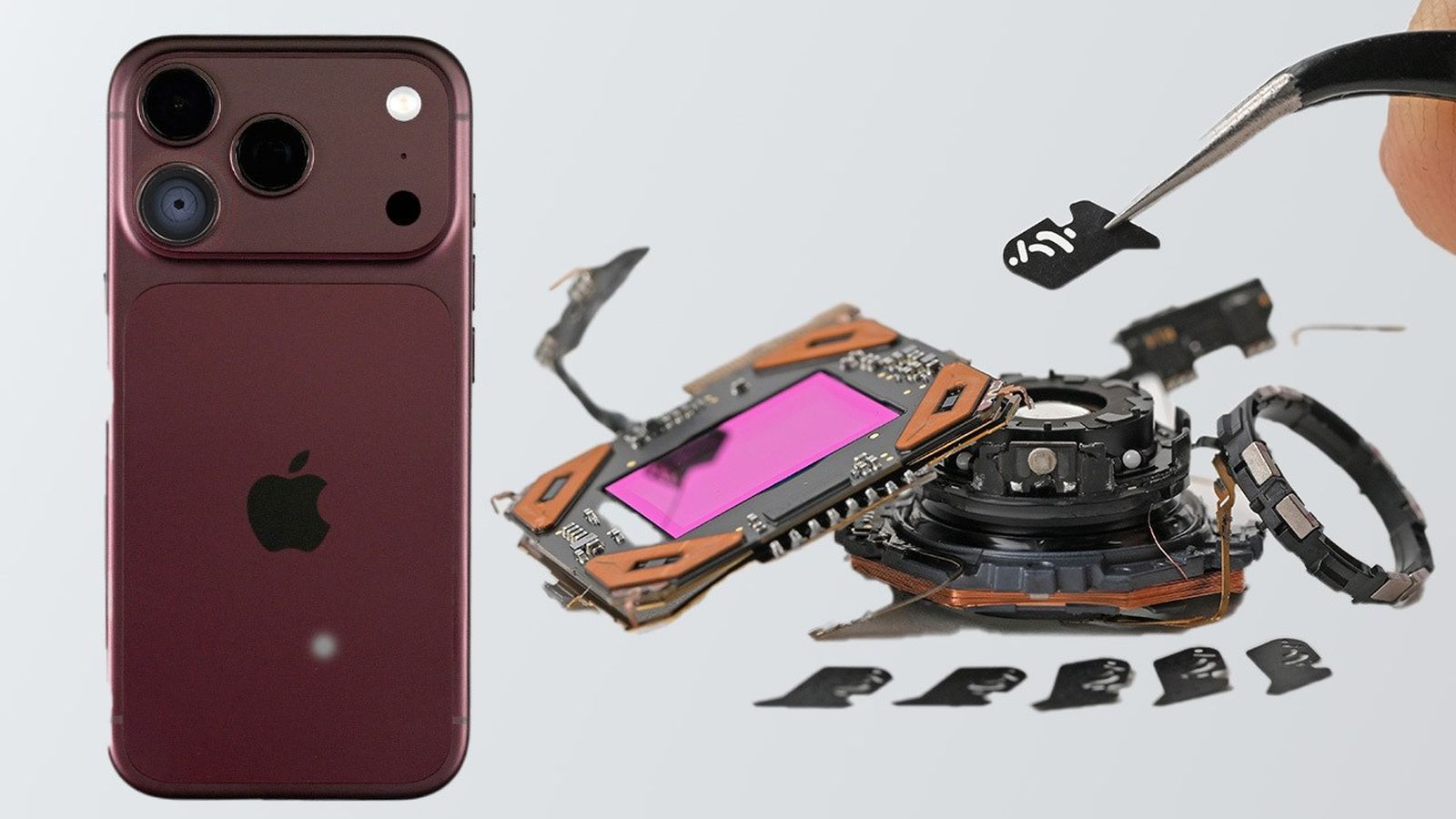
Another engineering highlight uncovered during iFixit’s teardown is the intricate variable aperture mechanism built directly into the primary camera array on both the iPhone 18 Pro and iPhone 18 Pro Max. Variable aperture technology represents a notable hardware leap forward for Apple’s mobile photography stack, allowing the camera to physically adjust its lens opening to control the amount of light reaching the sensor and natively alter the physical depth of field.
The teardown offers a rare, high-resolution view of the miniature mechanical blades, precise actuators, and control systems packed into the tightly constrained camera housing. Seeing the physical movement of the mechanical aperture inside such a small form factor underscores the mechanical complexity required to bring traditional DSLR-style optical controls to a modern smartphone chassis, marking one of the most mechanically dense camera modules Apple has produced.
 macOS & Apple IT Support
Apple Launches Major Hardware and Software Suite as iOS 27, macOS Golden Gate, and iPhone 18 Series Hit the Market
Following last week’s high-profile "Surprise and Shine" keynote event—the first major product...
 macOS & Apple IT Support
Apple Expands watchOS 27.0.1 Update to All Compatible Apple Watch Models Following Targeted Initial Patch
Apple has officially broadened the distribution of watchOS 27.0.1, making the software...
 macOS & Apple IT Support
Anthropic Updates Usage Policy to Ban Cruel and Abusive Treatment of Claude AI Models
Artificial intelligence safety startup Anthropic has officially updated its Acceptable Use Policy,...







