
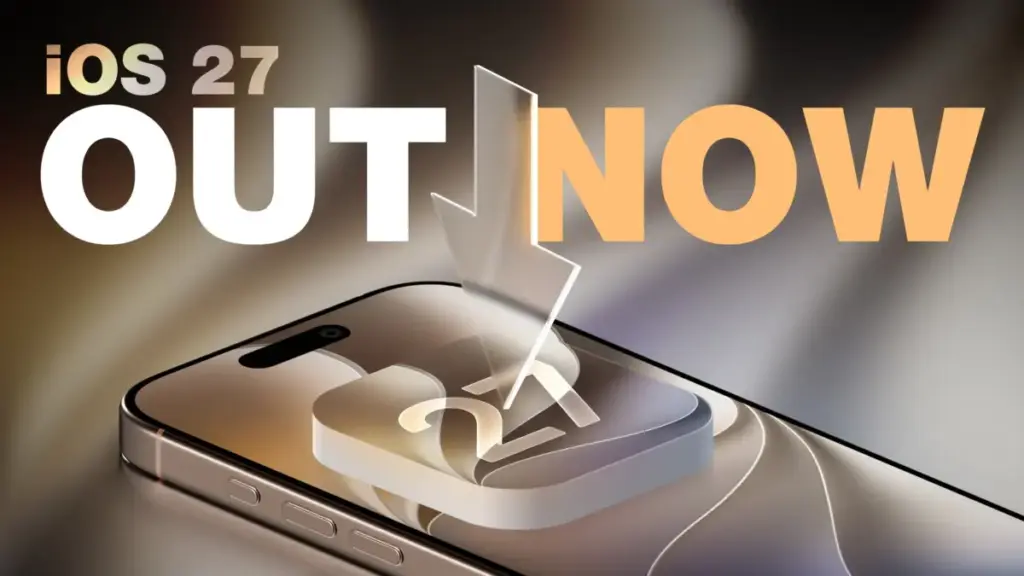
Following last week’s high-profile "Surprise and Shine" keynote event—the first major product showcase since John Ternus officially succeeded Tim Cook as Apple CEO—the tech giant has initiated a massive global release of both hardware and software. Retail stores and digital storefronts have officially opened sales for nearly the entire hardware lineup unveiled at the event, including the flagship iPhone 18 Pro and iPhone 18 Pro Max, the Apple Watch Series 12, the rugged Apple Watch Ultra 4, and the next-generation AirPods 5. The sole exception to this week’s hardware rollout is Apple’s first foldable smartphone, the iPhone Duo, which is scheduled to land in consumers’ hands next month alongside a tailored software update.
For the millions of users maintaining existing devices, the week has brought equally substantial changes in the form of major operating system updates. Apple has publicly deployed iOS 27, iPadOS 27, and macOS Golden Gate, delivering significant enhancements to the user interface, system performance, and artificial intelligence integration. Simultaneously, the company is already laying the groundwork for subsequent software revisions, preparing iOS 27.1 to accompany the upcoming launch of the iPhone Duo while distributing the first beta of iOS 27.2 to developers for widespread testing.
iOS 27 and iPadOS 27 Debut With Siri AI and Liquid Glass Design Refinements
The public releases of iOS 27 and iPadOS 27 mark the official distribution of Apple’s latest mobile operating systems, following a summer of developer and public beta testing. Headlining this year’s release is the introduction of upgraded Siri AI capabilities, bringing advanced machine learning and natural language processing directly into the core operating system for users across numerous international markets.
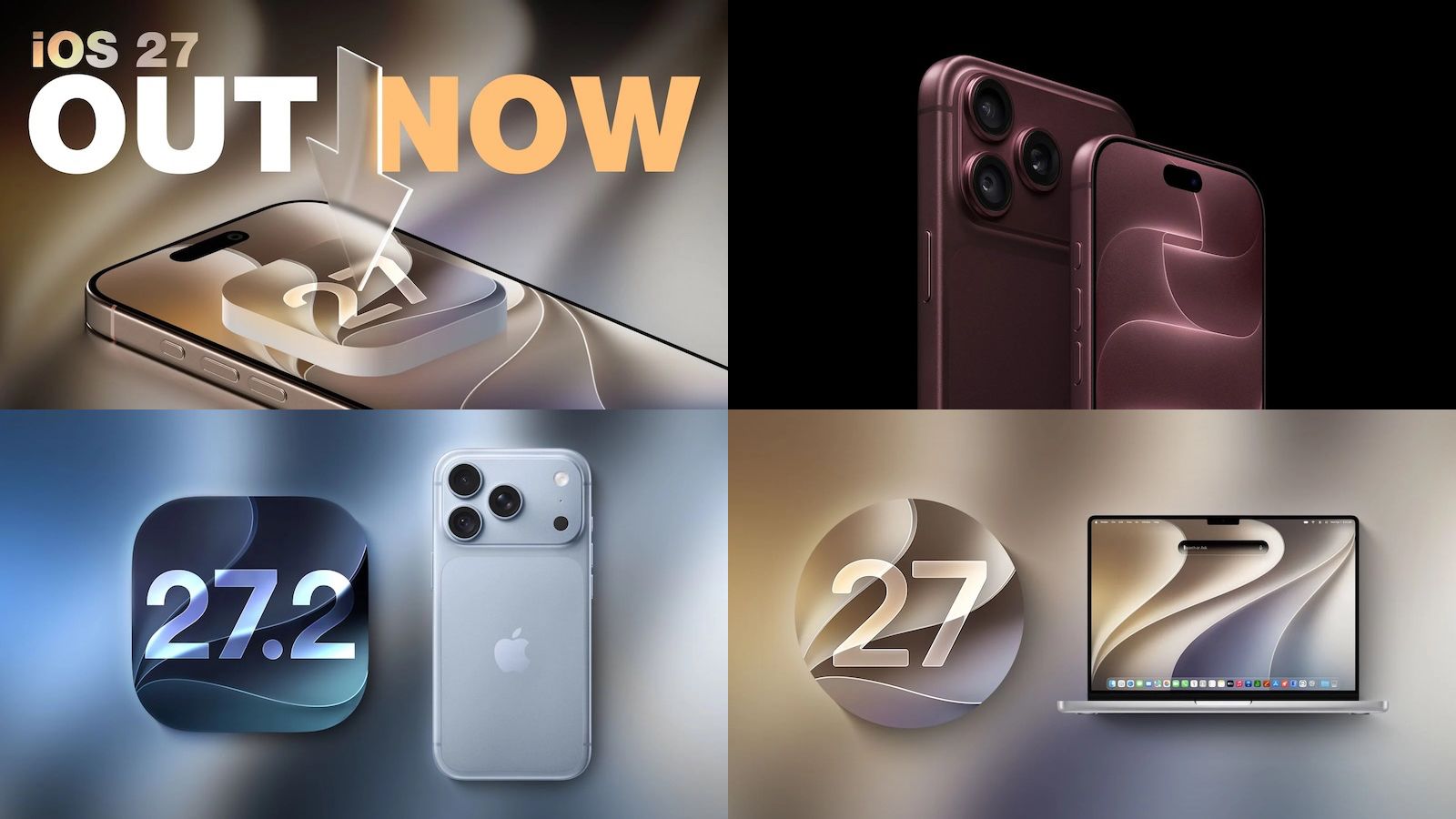
Alongside artificial intelligence advancements, iOS 27 updates the "Liquid Glass" design language that Apple introduced to its user interfaces in previous software cycles. The refined interface subtle changes light absorption, transparency, and depth across control centers, system widgets, and native applications to create a cohesive aesthetic across different screen sizes.
To assist users in navigating the overhaul, early technical breakdowns highlight several immediate features to explore upon updating. Key additions range from refined customization settings within the home screen and lock screen to newly streamlined automation options. Furthermore, comprehensive lists of system changes detail over 50 distinct capabilities now present on supported iPhones, ranging from camera app adjustments to expanded system diagnostics.
Supported hardware for the baseline iOS 27 software extends back to the iPhone 11 series, allowing older generations of hardware to take advantage of core performance improvements, updated native apps, and safety features. However, resource-intensive elements—most notably the new Siri AI engine—are tied to stricter system requirements, creating a distinction between general software updates and advanced artificial intelligence tools.
macOS Golden Gate Introduces Dedicated Siri AI App and Visual Intelligence
Mac users received an equivalent architectural update this week with the official arrival of macOS Golden Gate, officially designated as macOS 27. The updated Mac operating system mirrors many of the visual and functional enhancements seen in iOS 27 while introducing desktop-specific features tailored to workstation productivity.
A major element of macOS Golden Gate is the integration of Siri AI, which now includes a dedicated standalone "Siri" application. Functioning as a conversational chatbot interface, the new Siri application provides a centralized workspace for complex queries, document synthesis, and automated task execution. Beyond the dedicated application, Siri AI remains embedded throughout the desktop environment to assist with contextual file management and system commands.
 macOS & Apple IT Support
Amazon Trims Base AirPods 5 Price Ahead of Official Launch Alongside Broader Autumn Apple Hardware Discounts
As Apple prepares to officially launch its latest generation of personal audio...
 macOS & Apple IT Support
Apple Updates Free Invites App for iPhone With Full-Resolution Shared Albums, Photorealistic AI Backgrounds, and Simplified Email Verification
CUPERTINO, Calif. — Apple on Wednesday released a substantial software update for...
 macOS & Apple IT Support
Apple Smart Home Launch Details Surface Ahead of NYC Event: New Home Hub, HomePod Mini 2, and Apple TV 4K Revealed in Leaks
Just two days before Apple hosts its "Welcome home" experience in New...







