
Following last week’s high-profile "Surprise and Shine" keynote event—the first major product showcase since John Ternus officially succeeded Tim Cook as Apple CEO—the tech giant has initiated a massive global release of both hardware and software. Retail stores and digital storefronts have officially opened sales for nearly the entire hardware lineup unveiled at the event, including the flagship iPhone 18 Pro and iPhone 18 Pro Max, the Apple Watch Series 12, the rugged Apple Watch Ultra 4, and the next-generation AirPods 5. The sole exception to this week’s hardware rollout is Apple’s first foldable smartphone, the iPhone Duo, which is scheduled to land in consumers’ hands next month alongside a tailored software update.
For the millions of users maintaining existing devices, the week has brought equally substantial changes in the form of major operating system updates. Apple has publicly deployed iOS 27, iPadOS 27, and macOS Golden Gate, delivering significant enhancements to the user interface, system performance, and artificial intelligence integration. Simultaneously, the company is already laying the groundwork for subsequent software revisions, preparing iOS 27.1 to accompany the upcoming launch of the iPhone Duo while distributing the first beta of iOS 27.2 to developers for widespread testing.
iOS 27 and iPadOS 27 Debut With Siri AI and Liquid Glass Design Refinements
The public releases of iOS 27 and iPadOS 27 mark the official distribution of Apple’s latest mobile operating systems, following a summer of developer and public beta testing. Headlining this year’s release is the introduction of upgraded Siri AI capabilities, bringing advanced machine learning and natural language processing directly into the core operating system for users across numerous international markets.
Alongside artificial intelligence advancements, iOS 27 updates the "Liquid Glass" design language that Apple introduced to its user interfaces in previous software cycles. The refined interface subtle changes light absorption, transparency, and depth across control centers, system widgets, and native applications to create a cohesive aesthetic across different screen sizes.
To assist users in navigating the overhaul, early technical breakdowns highlight several immediate features to explore upon updating. Key additions range from refined customization settings within the home screen and lock screen to newly streamlined automation options. Furthermore, comprehensive lists of system changes detail over 50 distinct capabilities now present on supported iPhones, ranging from camera app adjustments to expanded system diagnostics.
Supported hardware for the baseline iOS 27 software extends back to the iPhone 11 series, allowing older generations of hardware to take advantage of core performance improvements, updated native apps, and safety features. However, resource-intensive elements—most notably the new Siri AI engine—are tied to stricter system requirements, creating a distinction between general software updates and advanced artificial intelligence tools.
macOS Golden Gate Introduces Dedicated Siri AI App and Visual Intelligence
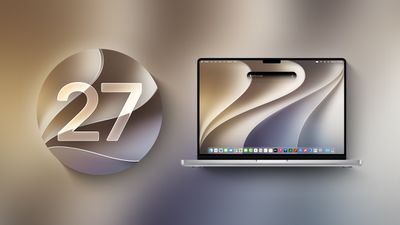
Mac users received an equivalent architectural update this week with the official arrival of macOS Golden Gate, officially designated as macOS 27. The updated Mac operating system mirrors many of the visual and functional enhancements seen in iOS 27 while introducing desktop-specific features tailored to workstation productivity.
A major element of macOS Golden Gate is the integration of Siri AI, which now includes a dedicated standalone "Siri" application. Functioning as a conversational chatbot interface, the new Siri application provides a centralized workspace for complex queries, document synthesis, and automated task execution. Beyond the dedicated application, Siri AI remains embedded throughout the desktop environment to assist with contextual file management and system commands.
macOS Golden Gate also marks the debut of Visual Intelligence on the Mac platform. Originally developed for mobile form factors, Visual Intelligence enables the Mac operating system to analyze visual data displayed on screen or captured via connected cameras, allowing users to query images, extract text, and search for contextually relevant information directly from the desktop.
In terms of aesthetics and daily usability, macOS Golden Gate fine-tunes the Liquid Glass UI elements established in last year’s macOS release, polishing window borders, translucency effects, and system menus. Additionally, the update streamlines system workflows, offering simplified tools for creating custom Shortcuts and compiling Safari Extensions. Under the hood, performance optimizations focus on resource allocation, power efficiency, and faster system responsiveness across supported Mac models, including recently updated desktop hardware like the Mac mini and Mac Studio.
Apple Clarifies US iPhone 18 Pro Max Modem Discrepancy
As early customers began receiving their new iPhone orders, technical scrutiny surrounding the iPhone 18 Pro and Pro Max revealed unexpected regional variations in hardware component selection. Initial confusion emerged following the launch event regarding whether Apple’s custom-designed C2 cellular modem was present across all Pro models, with preliminary specifications suggesting the component might be restricted solely to the standard iPhone 18 Pro.
Apple subsequently updated its global technical specification pages, clarifying the exact hardware distribution of its cellular modems. According to the updated documentation, Apple’s proprietary C2 modem is integrated into both the iPhone 18 Pro and iPhone 18 Pro Max in every country worldwide, with one distinct exception: the United States variant of the iPhone 18 Pro Max.
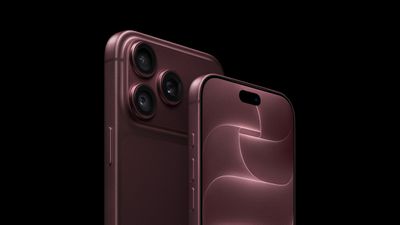
American models of the iPhone 18 Pro Max do not include the C2 modem and instead continue to utilize Qualcomm’s Snapdragon X80 modem—the same component found in the previous-generation iPhone 17 Pro lineup. Apple has not publicly detailed the technical, regulatory, or supply-chain rationales behind keeping the Qualcomm Snapdragon X80 modem exclusively within the US model of its top-tier device while equipping all other global variants with the custom C2 silicon.
Siri AI Rollout: Compatibility, Waitlist Procedures, and EU Regulatory Exclusions
While iOS 27 is now available for download globally, users updating their devices have noted that the new Siri AI capabilities and the dedicated Siri application do not activate automatically upon installation. To manage server load and onboard users sequentially, Apple has implemented a system-level waitlist for Siri AI access.
Users seeking access to the enhanced AI capabilities must manually opt in through the iOS Settings menu. Upon joining the waitlist, activation times vary significantly based on regional capacity and device demand; some users report gaining access within minutes of registering, whereas others remain queued for several hours or days before the server-side switch is flipped.
Hardware requirements present another layer of qualification for the new intelligence features. Although iOS 27 broadly supports hardware dating back to the iPhone 11, Siri AI execution is strictly limited to the iPhone 15 Pro, iPhone 15 Pro Max, and newer models due to the computational demands of on-device processing and RAM requirements.
Furthermore, Siri AI remains entirely unavailable across member states of the European Union. Apple confirmed that the exclusion stems from ongoing regulatory conflicts with the European Commission regarding compliance with the Digital Markets Act (DMA). Until legal and technical frameworks surrounding data access, platform interoperability, and AI integration are resolved between Apple and European regulators, users in the EU will not be able to join the Siri AI waitlist or access the standalone application.
Developer Beta Testing Begins for iOS 27.2 Ahead of iPhone Duo Launch
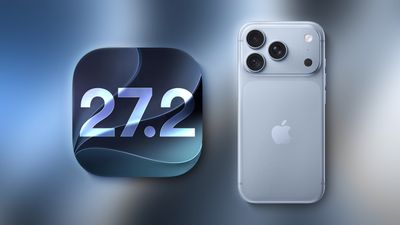
Even as iOS 27.0 rolls out to the public, Apple’s software engineering teams have already transitioned to testing future software cycles. This week, the company pushed the first developer beta of iOS 27.2 to registered testers, bypassing a public beta test for iOS 27.1.

The divergence in version numbers is directly tied to Apple’s upcoming hardware schedule. Version 27.1 is being reserved internally as the launch software pre-installed on the foldable iPhone Duo, which is set to ship next month. Consequently, general features intended for broader public release late this fall are being funneled into the iOS 27.2 development branch.
The headline inclusion in the first iOS 27.2 beta is a comprehensive redesign of the Health application, which was previewed during last week’s keynote. The revamped interface introduces restructured metrics tracking, modernized data visualizations, and streamlined navigation. However, Apple has advised developers that the overhauled Health application will not be ready for the initial public release of iOS 27.2, signaling that the feature will remain in extended testing across future beta builds before reaching general consumers.
iCloud+ Transforms Into Integrated Services Bundle Across 100+ International Markets
Alongside its operating system releases, Apple announced a major structural change to its cloud storage offerings, transforming paid iCloud+ plans into an all-in-one entertainment and storage tier across more than 100 international markets.
Under the new model, every paid tier of iCloud+—starting from the entry-level 50GB storage tier—now automatically incorporates full access to Apple TV and Apple Arcade at no added cost. Furthermore, subscribers utilizing Family Sharing can extend cloud storage alongside Apple TV and Apple Arcade access to up to five additional family members under a single plan.
This services consolidation does not apply globally. The expanded iCloud+ bundle explicitly excludes the United States, Canada, Australia, the United Kingdom, and European Union member countries, where individual subscriptions and existing Apple One bundles remain unchanged.
In the markets where this expanded iCloud+ model has launched, the shift represents a permanent restructuring of Apple’s digital services strategy rather than a temporary marketing promotion. In these participating countries, Apple TV and Apple Arcade are being fully folded into the base cloud storage subscription and will no longer be offered as separate, standalone individual purchases through Apple’s storefronts.
 macOS & Apple IT Support
Apple TV and HomePod Mini Face Extended Shipping Delays as Code Leaks and Software Betas Signal Incoming 2026 Models
Customers looking to purchase an Apple TV or a HomePod mini through...
 macOS & Apple IT Support
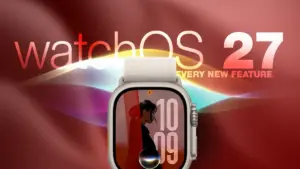
Apple Releases watchOS 27: A Comprehensive Look at New AI Features, Interface Changes, and Health Updates Across Apple Watch Generations
Apple officially launched watchOS 27 on September 14, introducing a sweeping array...
 macOS & Apple IT Support
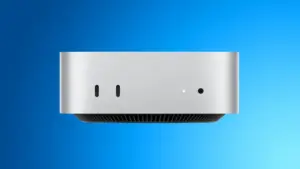
Apple Reverts to Soldered Storage on M6 and M5 Pro Mac Mini Models, Halving Base SSD Speeds via Single NAND Setup
Apple’s latest update to the Mac mini line brings a significant architectural...







