
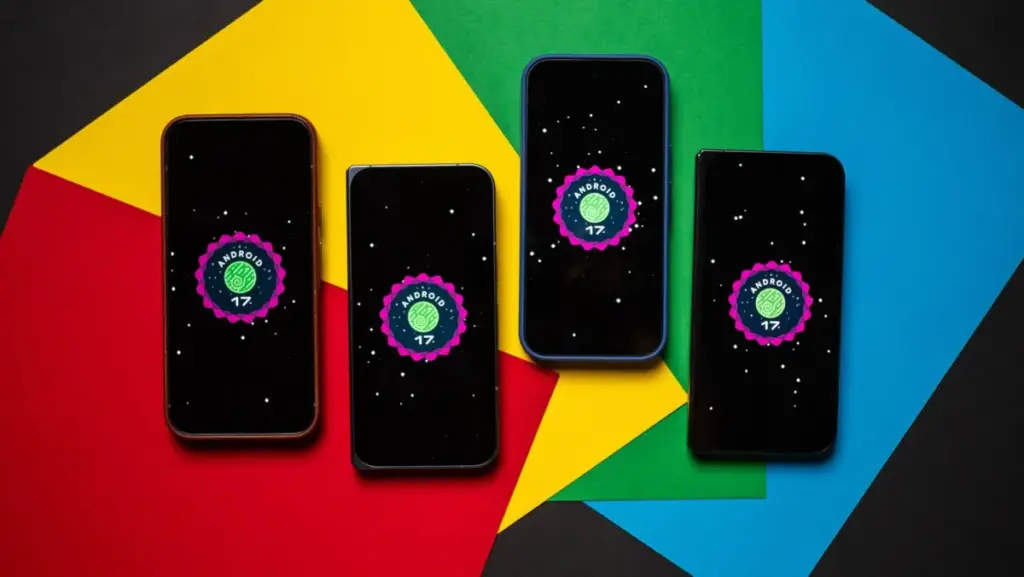
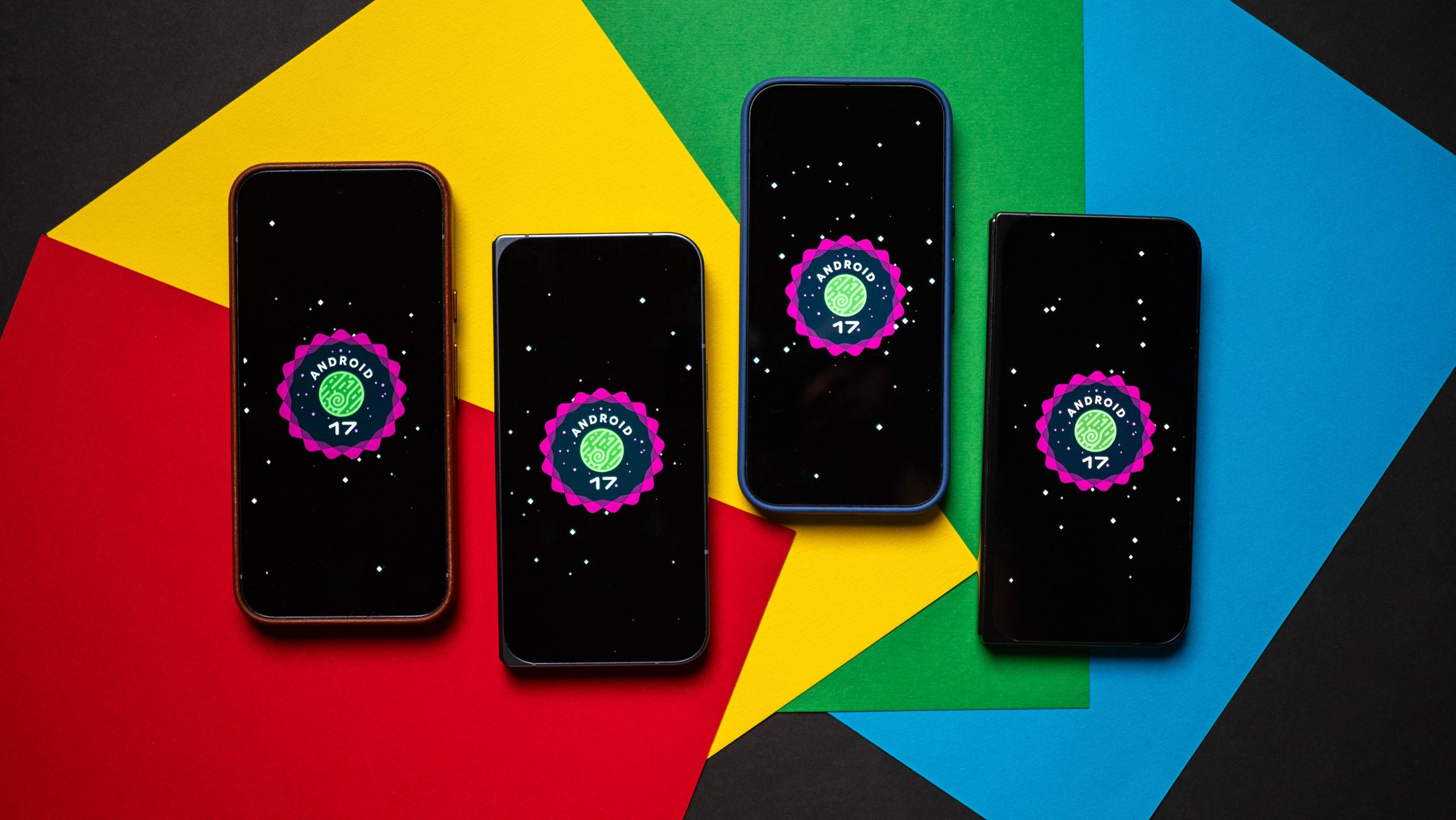
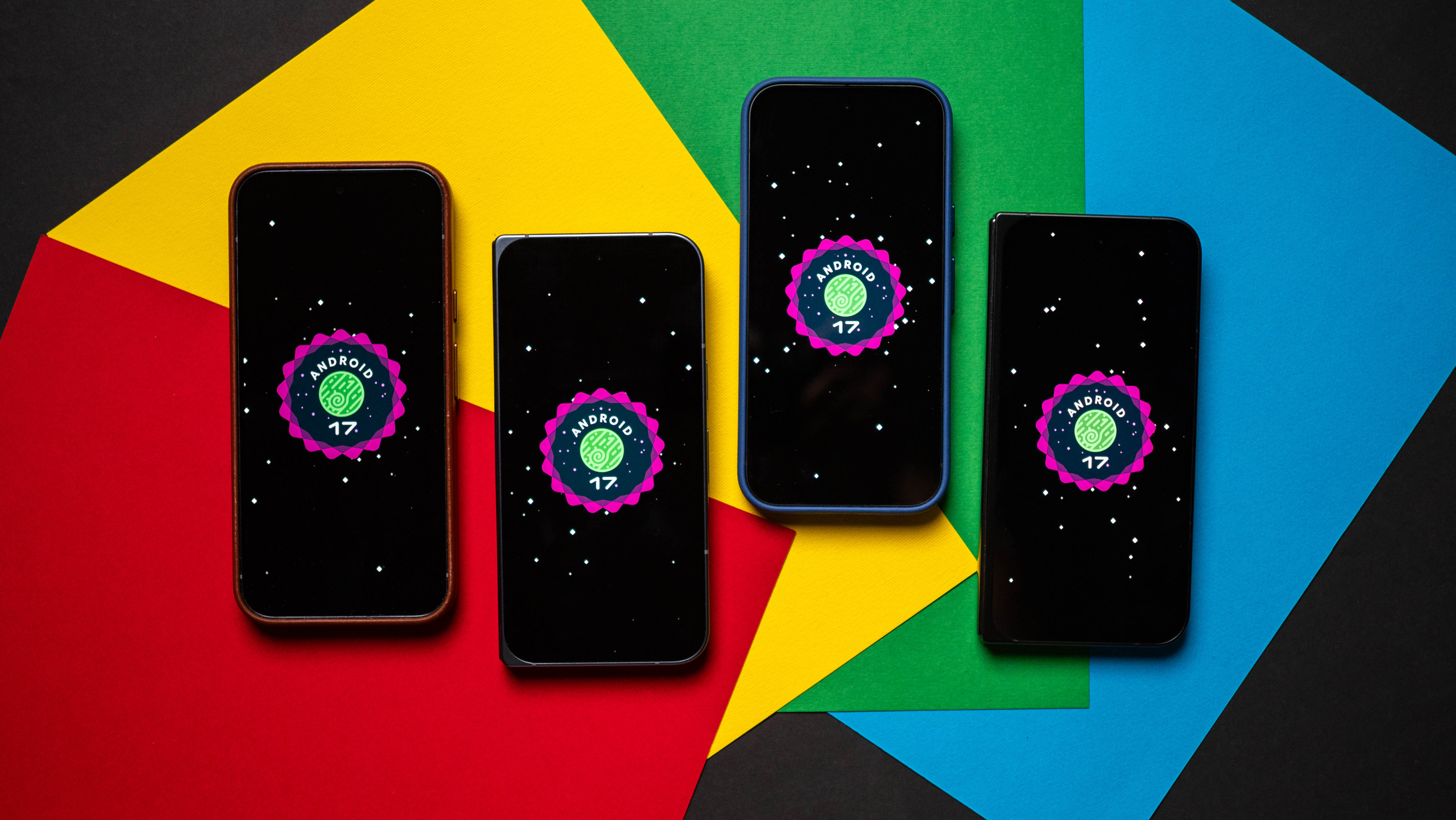
Google has officially pulled back the curtain on its highly anticipated November Pixel Drop, a comprehensive software suite designed to bridge the gap between hardware generations and breathe new life into both current and legacy Pixel smartphones. Unlike the standard monthly security patches that focus on backend stability and vulnerability fixes, these periodic "Feature Drops" represent a core pillar of Google’s hardware strategy, allowing the company to roll out innovative software capabilities and user interface refinements that were often previously reserved for its newest flagship models.
The November update is particularly significant for its focus on democratizing Google’s most advanced artificial intelligence. While the launch of a new Pixel series often introduces exclusive software features to entice buyers, this latest update signals a commitment to longevity by migrating several high-profile features from the cutting-edge Pixel 11 series back to the Pixel 10 lineup. By doing so, Google is effectively narrowing the functional divide between its most recent flagship and its predecessor, ensuring that users who invested in last year’s hardware continue to benefit from the company’s rapid advancements in machine learning and generative AI.
Gemini Intelligence Migrates to the Pixel 10 Series
The centerpiece of the November Pixel Drop is the expansion of Gemini Intelligence. Originally a hallmark of the Pixel 11 series, these sophisticated AI-driven tools are now arriving on the Pixel 10, Pixel 10 Pro, and Pixel 10 Pro Fold. This move brings a suite of "proactive" features to last year’s flagship hardware, most notably the introduction of "Rambler."
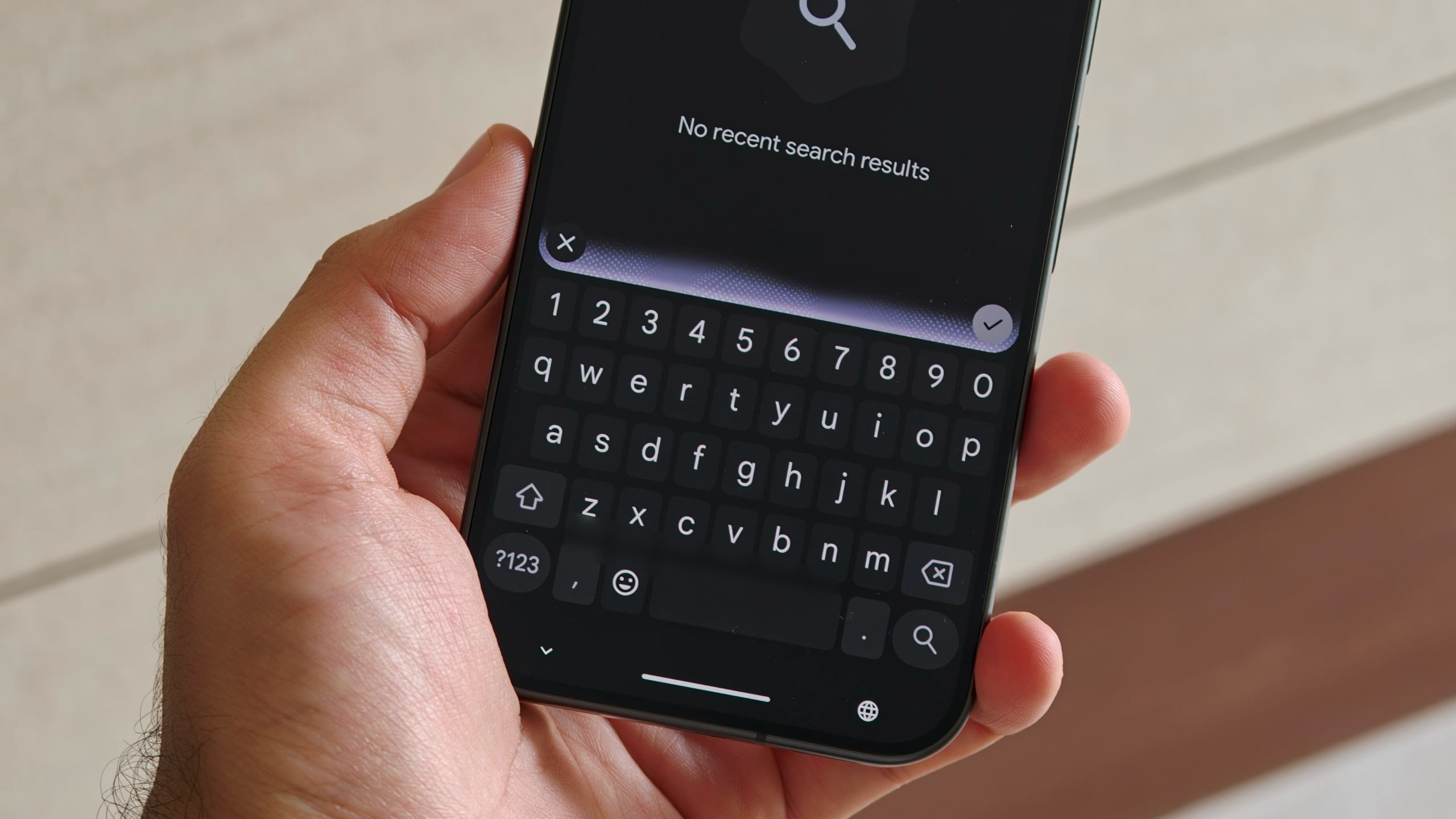
Rambler represents a significant evolution in how mobile AI interacts with the user’s daily workflow. Rather than acting as a simple voice-to-text interface, Rambler leverages Gemini’s ability to understand context and manage multi-step tasks across different applications. For instance, if a user receives a text message inquiring about their estimated time of arrival (ETA) while they are actively navigating with Google Maps, the Pixel’s on-device intelligence can analyze the navigation data and provide a one-tap suggestion to share the ETA with the sender. This level of cross-app integration is designed to reduce the cognitive load of multitasking, allowing the device to act as a more intuitive personal assistant that anticipates the user’s needs based on real-time activity.
Furthermore, Gemini’s personalized suggestions are becoming more deeply integrated into the operating system. By analyzing patterns and current tasks, the AI can offer contextual shortcuts and actions that feel more organic than traditional notifications. This shift toward a more conversational and context-aware interface is a major step in Google’s long-term vision of transforming the smartphone from a tool into a proactive partner.
Generative Customization and the Nano Banana AI Model
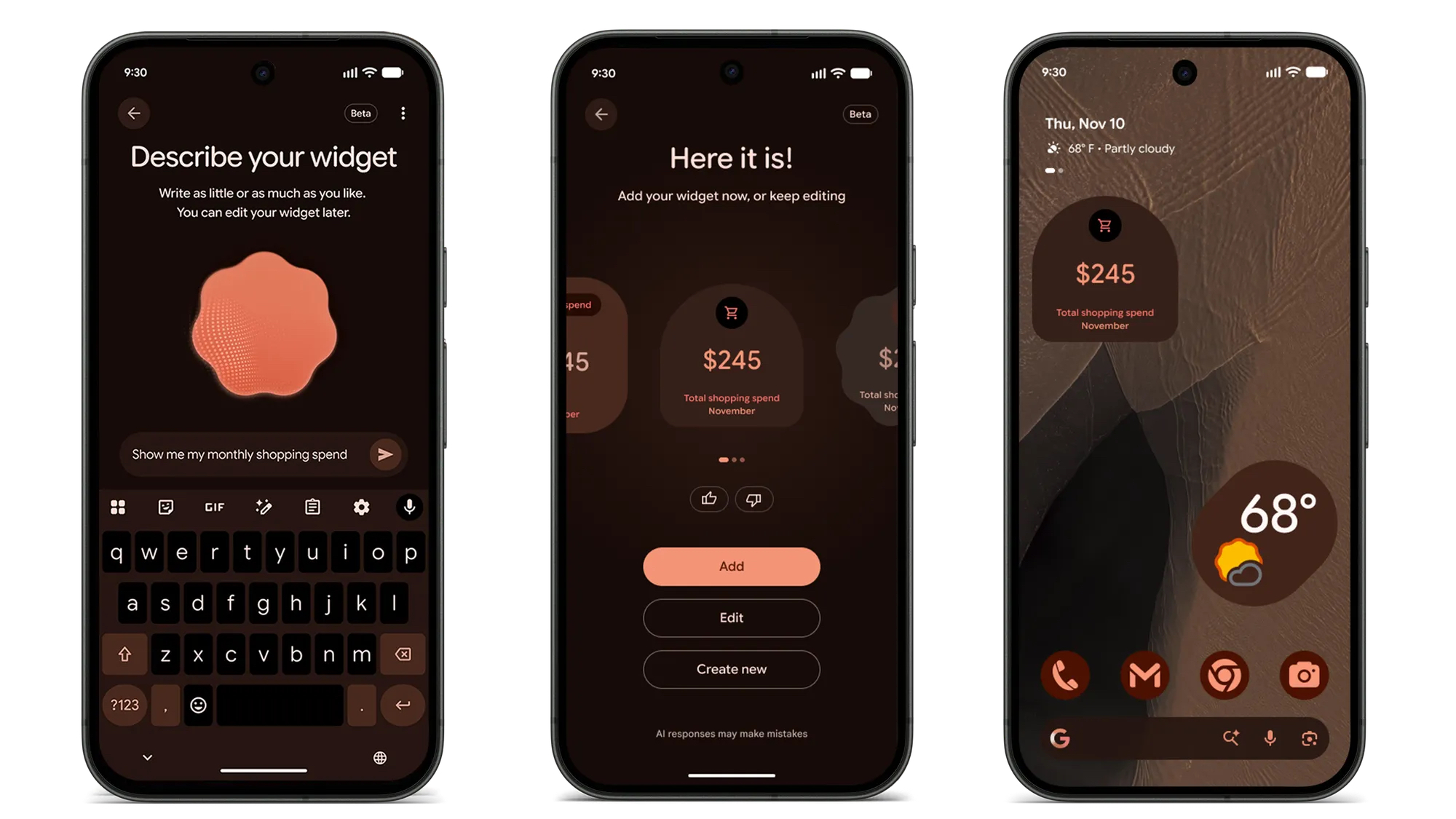
Personalization has long been a defining characteristic of the Android experience, and the November Pixel Drop takes this to a new level through generative AI. One of the most talked-about additions is the "Create My Widget" feature. Moving away from the traditional method of selecting from a pre-designed list of widgets, users can now use natural language prompts to describe the specific look and function they desire. Upon receiving a description, the system generates a custom widget tailored to the user’s aesthetic and functional preferences.
While this feature is available for both the Pixel 11 and Pixel 10 series, Google has notably excluded the Pixel 10a from this specific rollout. This suggests that the feature may require specific hardware optimizations or processing power found in the higher-tier Tensor chips, though it highlights the tiered approach Google sometimes takes with its software distribution.
Accompanying the new widget capabilities is a significant update to the system’s visual identity. Google has introduced ten distinct new custom icon styles, powered by a specialized on-device AI model dubbed "Nano Banana." This model is specifically optimized to generate matching app icons that adhere to a consistent visual theme, solving a long-standing issue where third-party apps often clashed with the system’s "Material You" aesthetic. By using AI to bridge these design gaps, Google is providing a more cohesive and polished home screen experience that adapts to the user’s chosen wallpaper and color palette with unprecedented precision.
Expanding Pixel Search to Legacy Hardware
In a move that will be welcomed by owners of older devices, Google is expanding the "Pixel Search" experience to a much wider range of hardware. Starting with this update, the unified search functionality is now available on the Pixel 6 series and all subsequent models.
Pixel Search is designed to be a one-stop destination for locating information across the entire device ecosystem. Rather than forcing users to open individual apps to find a specific piece of data, the feature allows for simultaneous searching across text messages, emails, Google Photos, app names, and even deep-level device settings. For users who have accumulated years of data on their phones, this centralized search index serves as a powerful tool for productivity, making it significantly easier to surface a specific photo from a vacation years ago or a buried setting in the system menu. The inclusion of the Pixel 6 series—the first generation to feature Google’s custom Tensor silicon—underscores the company’s promise of extended software support for its in-house chips.
Exclusive Enhancements for the Pixel 11 Series
While the November Drop focuses heavily on bringing features to older phones, Google has also included a few "cutting-edge" upgrades reserved specifically for the Pixel 11 series. The most prominent of these is an AI-powered overhaul of the Call Screen feature. By integrating Gemini directly into the call-screening process, the AI can now engage in more natural, human-like conversations with unknown callers or potential telemarketers.
Rather than relying on a static script, the Gemini-enhanced Call Screen can ask follow-up questions and better understand the intent of the caller. Throughout this interaction, the user is provided with a live, real-time transcript on their screen, allowing them to decide whether to pick up the call or dismiss it without ever having to speak to the person on the other end. This upgrade aims to make the call-screening process less jarring for legitimate callers while providing the user with more detailed information.
Additionally, the Pixel 11 Pro and Pixel 11 Pro XL are receiving an update to the "HiLight" feature. This hardware-software integration allows the device to provide visual cues through light when specific notifications arrive. With the November Drop, HiLight can now trigger when a Google Messages notification is received, adding another layer of glanceable information. However, this feature currently remains limited to Google’s first-party messaging app; support for popular third-party platforms like WhatsApp or Telegram has not yet been implemented, which may be a point of contention for users who rely on those services for their primary communication.
The Arrival of the Pixel Tag and the Find Hub Network
Parallel to the software updates, Google has officially launched the Pixel Tag, a hardware accessory first teased during the Pixel 11 launch event in August. The Pixel Tag is Google’s answer to the growing market for Bluetooth trackers, but with several key technological advantages. Available for $29.99 individually or as a four-pack for $99.99, the tracker is designed to integrate seamlessly with Google’s upgraded "Find Hub" network.
The Find Hub network utilizes the vast ecosystem of Android devices to help locate lost items, but the Pixel Tag goes a step further by incorporating Ultra-Wideband (UWB) technology. When used with a UWB-compatible phone, such as the Pro models of the Pixel 10 and 11 series, users can access "precision tracking." This provides directional arrows and exact distance measurements on the phone’s screen, guiding the user to the tracker’s location within inches. This launch represents a major step in Google’s efforts to build a more robust accessory ecosystem that rivals the integrated tracking solutions offered by its competitors.
Rollout Schedule and Device Compatibility
The rollout of the November Pixel Drop officially commenced on November 10. As is standard with Google’s software distribution, the update is being released in phases. This staggered approach allows the company to monitor for any unforeseen bugs or stability issues before the update reaches the entire global user base.
Users can check for the update by navigating to their device settings, though Google notes that it may take several weeks for the Over-the-Air (OTA) notification to appear for everyone. While some users have reported receiving the update immediately, others, including those on the latest Pixel 11 Pro hardware, may find themselves waiting a few extra days as the deployment expands across different regions and carrier networks.
With this latest drop, Google continues to define the Pixel experience not just by the hardware inside the box, but by the evolving intelligence that lives within the software. By prioritizing AI-driven features like Rambler and generative customization, Google is doubling down on its position that the future of the smartphone is personal, proactive, and perpetually updated.
 Mobile Device Management (MDM) & Mobile OS
Oura Initiates New Patent Infringement Lawsuit Against Ultrahuman, Targeting Internal Ring Pro Hardware
The competitive landscape of the wearable technology market has shifted once again...
 Mobile Device Management (MDM) & Mobile OS
Foldable Smartphone Market Set for 44% Surge in 2026 as Wide-Screen Designs Lead Industry Recovery
The landscape of the mobile industry is preparing for a significant shift...
 Mobile Device Management (MDM) & Mobile OS
YouTube Premium Reportedly Eyes Audiobook Expansion as Google Seeks to Rival Spotify and Audible
The digital streaming landscape is on the verge of another significant shift...







