
Additionally, the Pixel 11 Pro and Pixel 11 Pro XL are receiving an update to the "HiLight" feature. This hardware-software integration allows the device to provide visual cues through light when specific notifications arrive. With the November Drop, HiLight can now trigger when a Google Messages notification is received, adding another layer of glanceable information. However, this feature currently remains limited to Google’s first-party messaging app; support for popular third-party platforms like WhatsApp or Telegram has not yet been implemented, which may be a point of contention for users who rely on those services for their primary communication.
The Arrival of the Pixel Tag and the Find Hub Network
Parallel to the software updates, Google has officially launched the Pixel Tag, a hardware accessory first teased during the Pixel 11 launch event in August. The Pixel Tag is Google’s answer to the growing market for Bluetooth trackers, but with several key technological advantages. Available for $29.99 individually or as a four-pack for $99.99, the tracker is designed to integrate seamlessly with Google’s upgraded "Find Hub" network.
The Find Hub network utilizes the vast ecosystem of Android devices to help locate lost items, but the Pixel Tag goes a step further by incorporating Ultra-Wideband (UWB) technology. When used with a UWB-compatible phone, such as the Pro models of the Pixel 10 and 11 series, users can access "precision tracking." This provides directional arrows and exact distance measurements on the phone’s screen, guiding the user to the tracker’s location within inches. This launch represents a major step in Google’s efforts to build a more robust accessory ecosystem that rivals the integrated tracking solutions offered by its competitors.
Rollout Schedule and Device Compatibility
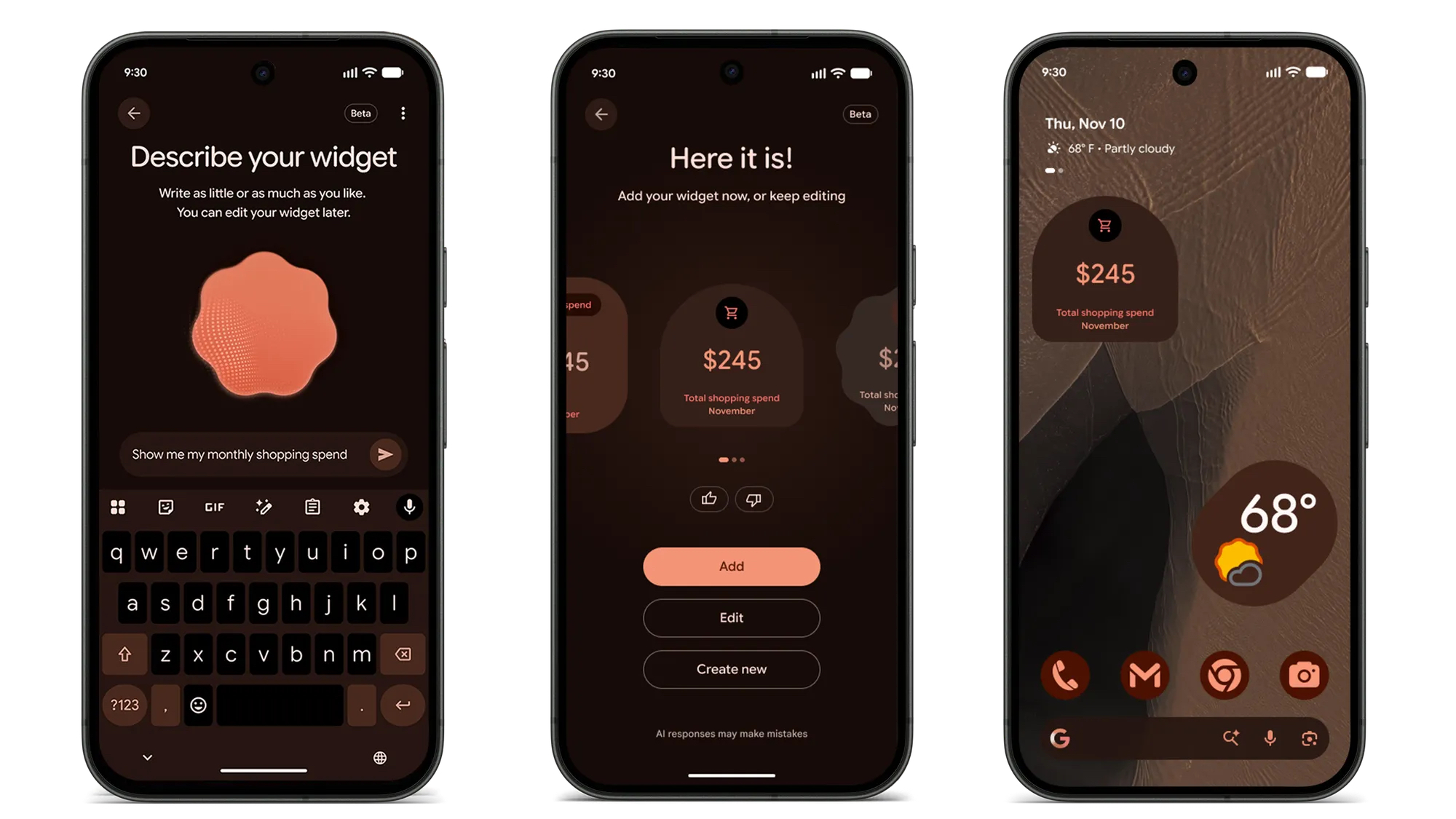
The rollout of the November Pixel Drop officially commenced on November 10. As is standard with Google’s software distribution, the update is being released in phases. This staggered approach allows the company to monitor for any unforeseen bugs or stability issues before the update reaches the entire global user base.
Users can check for the update by navigating to their device settings, though Google notes that it may take several weeks for the Over-the-Air (OTA) notification to appear for everyone. While some users have reported receiving the update immediately, others, including those on the latest Pixel 11 Pro hardware, may find themselves waiting a few extra days as the deployment expands across different regions and carrier networks.
With this latest drop, Google continues to define the Pixel experience not just by the hardware inside the box, but by the evolving intelligence that lives within the software. By prioritizing AI-driven features like Rambler and generative customization, Google is doubling down on its position that the future of the smartphone is personal, proactive, and perpetually updated.
 Mobile Device Management (MDM) & Mobile OS
Nimble SharePower Redefines Portable Charging by Splitting the Difference for Modern Travelers
In the modern era of high-performance smartphones and power-hungry mobile applications, the...
 Mobile Device Management (MDM) & Mobile OS
YouTube Premium May Expand into Audiobooks by 2027 as Google Eyes New Front in the Streaming Wars
The digital subscription landscape is currently undergoing a period of significant consolidation...
 Mobile Device Management (MDM) & Mobile OS
Google Reportedly Developing Next-Generation TV Streamer with Hands-Free Gemini and Presence-Sensing Technology
In the rapidly evolving landscape of home entertainment, Google appears to be...







